Telangana Boosts Jowar Procurement Amid Maize
State shifts to jowar to protect farmers from market risks.
Model Diplomat2 min readAsia
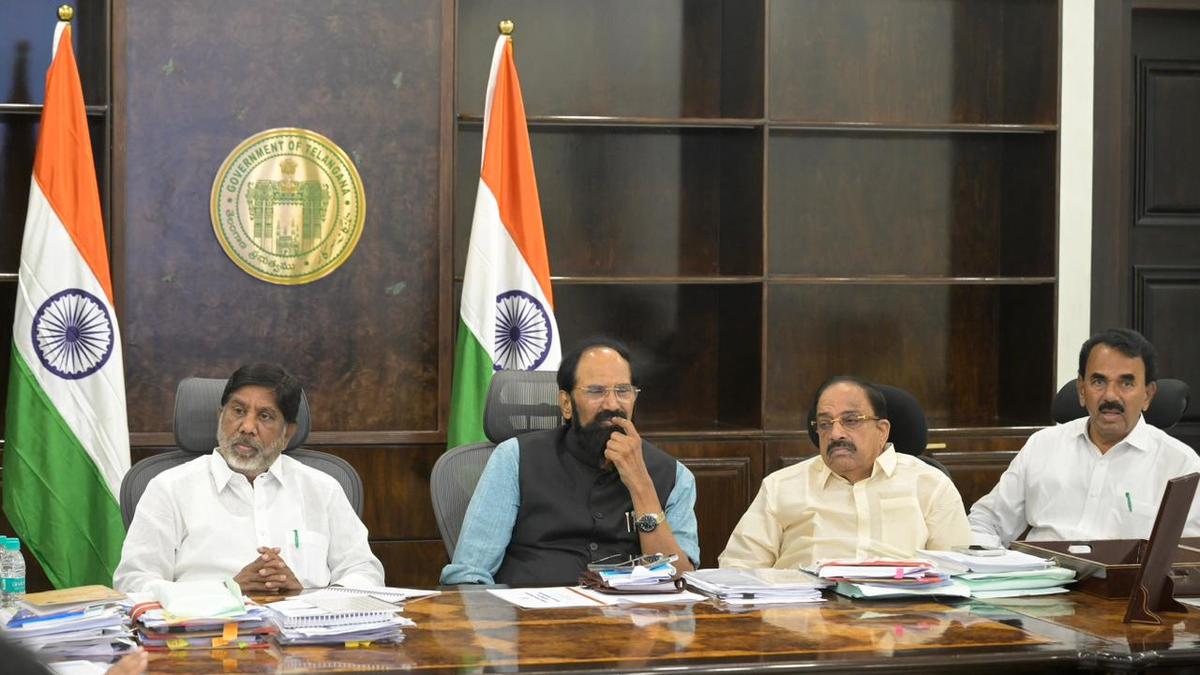
Telangana Bets on Jowar After Maize Buybacks
Telangana is widening procurement to jowar, shifting price risk from farmers to the state and putting fresh pressure on an already costly support-policy model.
Telangana’s cabinet sub-panel has decided the government will purchase jowar alongside maize, extending a procurement strategy the state says is meant to protect farmers from distress sales in the open market. The move comes even as the state is already buying maize with its own funds, despite no central support for that operation, according to Agriculture Minister Tummala Nageswara Rao. The Hindu
The political logic is clear
This is not just an agricultural decision; it is a pressure-release valve. Maize growers in Telangana have been complaining that traders are offering well below the state’s announced support levels, and the opposition BRS has been demanding resumed MSP procurement for jowar, maize and bengalgram. In early May, state officials were already pushing Markfed to open maize procurement centres and buy at ₹2,400 a quintal, matching the central MSP. The Hindu
The Hindu
The government is effectively choosing to absorb market risk rather than let rural anger build. That helps the Congress government with a politically sensitive farming bloc, especially in districts where maize and jowar are cash crops and where procurement delays quickly become an opposition issue. For the larger India picture, this is another reminder that state governments are often the real shock absorbers in farm markets, not New Delhi.
Why jowar is different — and why it still matters
Jowar is not a new procurement crop in Telangana. In 2022, the state ordered jowar procurement at the Union government’s MSP of ₹2,738 per quintal after a petition and farmer protests over losses in districts such as Adilabad, where growers said they were forced to sell far below MSP. The Hindu
That history matters because Telangana has been burned before by support-price interventions. The state’s own officials have previously acknowledged heavy losses from procurement and resale of farm produce, including maize, when stocks could not be moved quickly at viable prices. In 2020, for example, the government procured nine lakh tonnes of maize through Markfed at a reported cost of ₹1,668 crore and later auctioned it for far less, producing a large loss for the agency. The Hindu
The Hindu
What to watch next
The key question is execution: how quickly procurement centres open, what volume the state is willing to buy, and whether it can avoid the storage and resale losses that sank earlier interventions. If Telangana expands purchases without a clear disposal plan, this becomes a recurring subsidy bill; if it moves fast, it buys rural calm before the next procurement season turns into a political fight. The next decision point is whether Markfed gets a firm jowar procurement target and budget clearance.
Discover more

India
India-South Korea $50B Trade Expansion Plan
India and South Korea target $50 billion in trade, enhancing economic cooperation amid shifting global dynamics.
India
CPI(M) Calls to Decouple Quota from Delimita
CPI(M) demands the Indian government to separate quota policies from delimitation to enhance representation for marginalized communities.
India
CPI MP Accuses PM Modi of MCC Violations
CPI MP P Sandosh Kumar alleges PM Modi violated MCC during Tamil Nadu visit, raising serious election integrity issues ahead of 2026 Assembly elections.
Conflict & Security
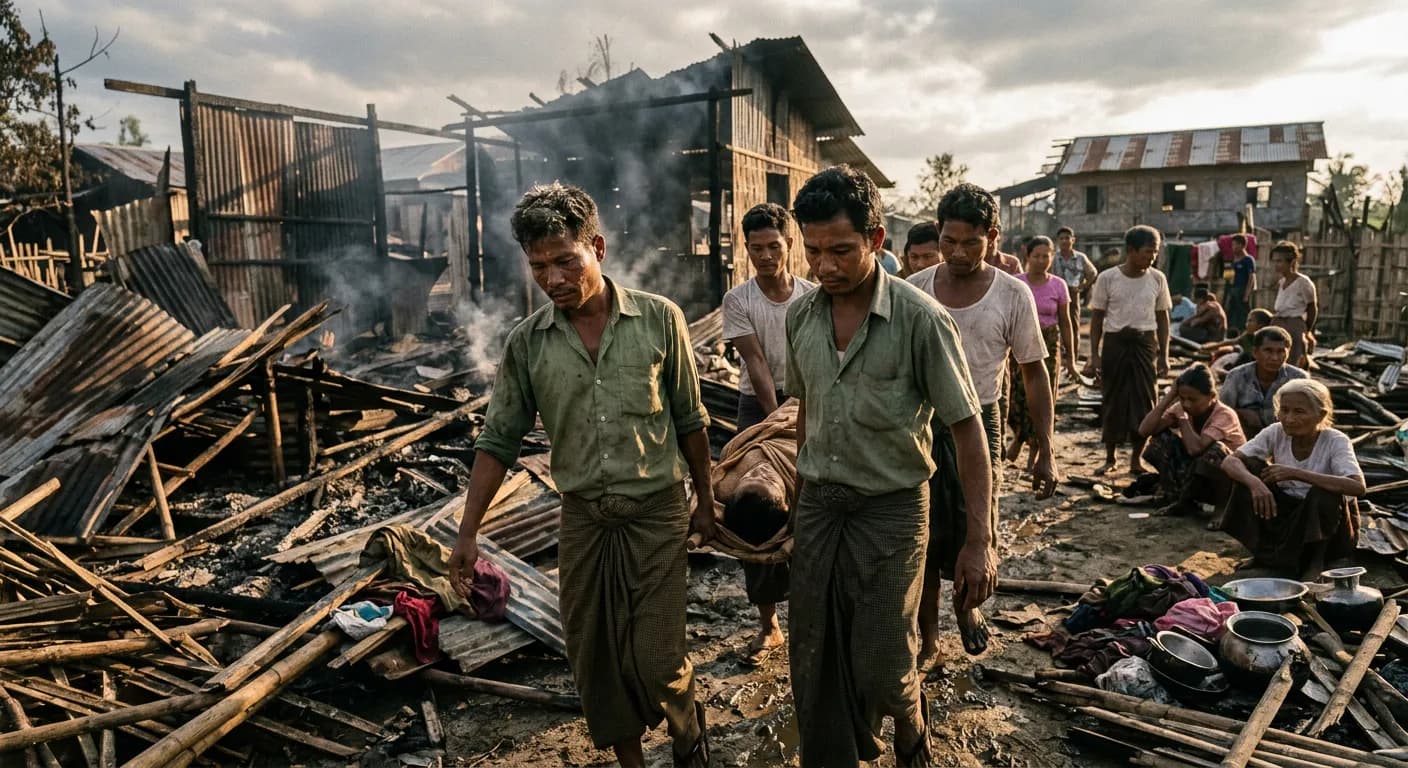
Kyauktaw Airstrike: Junta Tactics in Rakhine
Myanmar military airstrike in Kyauktaw kills at least seven civilians, reflecting a desperate strategy against ethnic opposition.