Tehran's Fragile Calm
Tehran faces economic strain and fears of renewed conflict.
Model Diplomat5 min readMiddle East
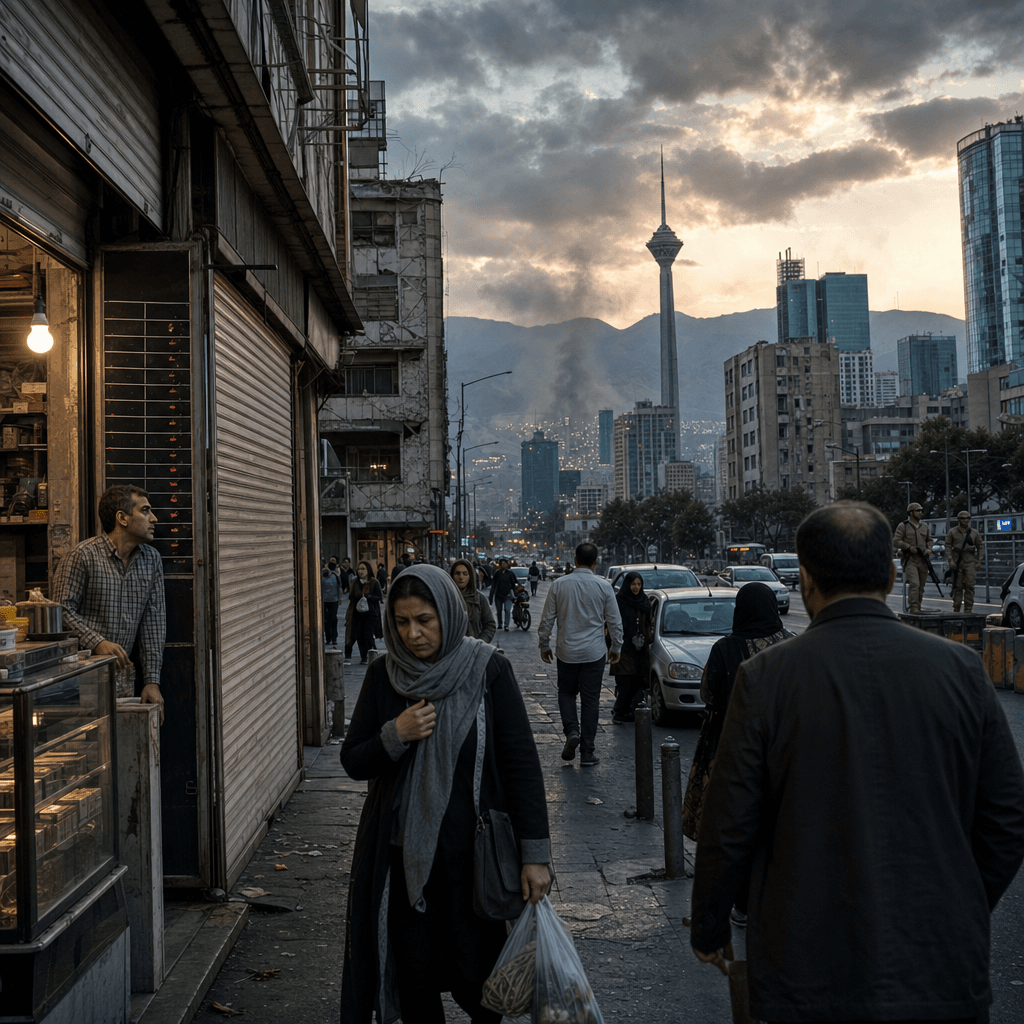
Headline: Tehran's Fragile Calm: Ceasefire Masks Deep Economic and Political Scars
A semblance of normal life has returned to Tehran, but a fragile ceasefire with the US and Israel is overshadowed by severe economic strain and fears of renewed conflict and repression.
A Return to Normality Amidst Lingering Threats
Tehran has largely reverted to pre-conflict routines following a ceasefire with the United States and Israel. However, this veneer of normality is thin, masking widespread anxiety. Many Iranians live with the constant fear of renewed hostilities, exacerbated by recent escalations. The economic fallout from the conflict has been devastating, with widespread job losses and inflation projected to reach 70% by year's end Source Title. Adds to this concern, the International Association of Economic Co-operation in Iran is also causing unease. Meanwhile, political repression persists, with a spate of executions for national security-related charges and UN Human Rights Commissioner Volker Türk signaling alarm over the erosion of human rights
Source Title.
Economic Attrition and Blockade Strain
The economic landscape is precarious, characterized by crippled supply chains and a US maritime blockade impacting southern ports. While Tehran attempts to circumvent this through overland routes and a "shadow fleet," merchants face mounting logistical nightmares and soaring costs Source Title. This has forced a reliance on lower-quality local alternatives and a freeze in operations for many businesses. An estimated four million jobs may have been impacted by the combined effects of the war and the government's prolonged internet shutdown
Source Title. Families struggle with escalating prices for basic necessities, with reports of bread costing three times more than before
Source Title. This economic hardship fuels deep-seated psychological and security fears, creating a state of "no war, no peace" where rebuilding remains uncertainly stalled
Source Title.
Repression and the Shadow of Retaliation
Beyond economic woes, the specter of intensified internal repression looms. Reports indicate that while the regime may have endured the conflict, it has become more entrenched and possibly more vengeful Source Title. The war has seen a record number of executions of political detainees, with over 53,000 arrests recorded during recent protests and the conflict period
Source Title. Conditions in prisons have reportedly worsened significantly, with harsh treatment now extended beyond protest leaders to a broader group. Journalists and activists fear being targeted with espionage charges, a capital offense, leading to a focus on survival rather than reporting
Source Title. The ruling elite maintains control, leaving many to fear that once the war concludes, the regime will unleash its accumulated rage on its own population.
What to Watch Next
The immediate focus will be on the stability of the current ceasefire and the progress of US-Iran negotiations, currently mediated by Pakistan. Any renewed hostilities would have immediate, severe economic and humanitarian consequences. Domestically, monitor evidence of any shift in the regime's repressive apparatus; a significant increase in arrests or executions post-ceasefire would signal a hardening of internal policy. The lifting of the internet blackout, mentioned as being in force for over 50 days in one report Source Title, will also be a key indicator of shifting dynamics.# Tehran's Fragile Calm: Ceasefire Masks Deep Economic and Political Scars
A semblance of normal life has returned to Tehran, but a fragile ceasefire with the US and Israel is overshadowed by severe economic strain and fears of renewed conflict and repression.
A Return to Normality Amidst Lingering Threats
Tehran has largely reverted to pre-conflict routines following a ceasefire with the United States and Israel. However, this veneer of normality is thin, masking widespread anxiety. Many Iranians live with the constant fear of renewed hostilities, exacerbated by recent escalations. The economic fallout from the conflict has been devastating, with widespread job losses and inflation projected to reach 70% by year's end Source Title. Adds to this concern, the International Association of Economic Co-operation in Iran is also causing unease. Meanwhile, political repression persists, with a spate of executions for national security-related charges and UN Human Rights Commissioner Volker Türk signaling alarm over the erosion of human rights
Source Title.
Economic Attrition and Blockade Strain
The economic landscape is precarious, characterized by crippled supply chains and a US maritime blockade impacting southern ports. While Tehran attempts to circumvent this through overland routes and a "shadow fleet," merchants face mounting logistical nightmares and soaring costs Source Title. This has forced a reliance on lower-quality local alternatives and a freeze in operations for many businesses. An estimated four million jobs may have been impacted by the combined effects of the war and the government's prolonged internet shutdown
Source Title. Families struggle with escalating prices for basic necessities, with reports of bread costing three times more than before
Source Title. This economic hardship fuels deep-seated psychological and security fears, creating a state of "no war, no peace" where rebuilding remains uncertainly stalled
Source Title.
Repression and the Shadow of Retaliation
Beyond economic woes, the specter of intensified internal repression looms. Reports indicate that while the regime may have endured the conflict, it has become more entrenched and possibly more vengeful Source Title. The war has seen a record number of executions of political detainees, with over 53,000 arrests recorded during recent protests and the conflict period
Source Title. Conditions in prisons have reportedly worsened significantly, with harsh treatment now extended beyond protest leaders to a broader group. Journalists and activists fear being targeted with espionage charges, a capital offense, leading to a focus on survival rather than reporting
Source Title. The ruling elite maintains control, leaving many to fear that once the war concludes, the regime will unleash its accumulated rage on its own population.
What to Watch Next
The immediate focus will be on the stability of the current ceasefire and the progress of US-Iran negotiations, currently mediated by Pakistan. Any renewed hostilities would have immediate, severe economic and humanitarian consequences. Domestically, monitor evidence of any shift in the regime's repressive apparatus; a significant increase in arrests or executions post-ceasefire would signal a hardening of internal policy. The lifting of the internet blackout, mentioned as being in force for over 50 days in one report Source Title, will also be a key indicator of shifting dynamics.
Discover more
Global
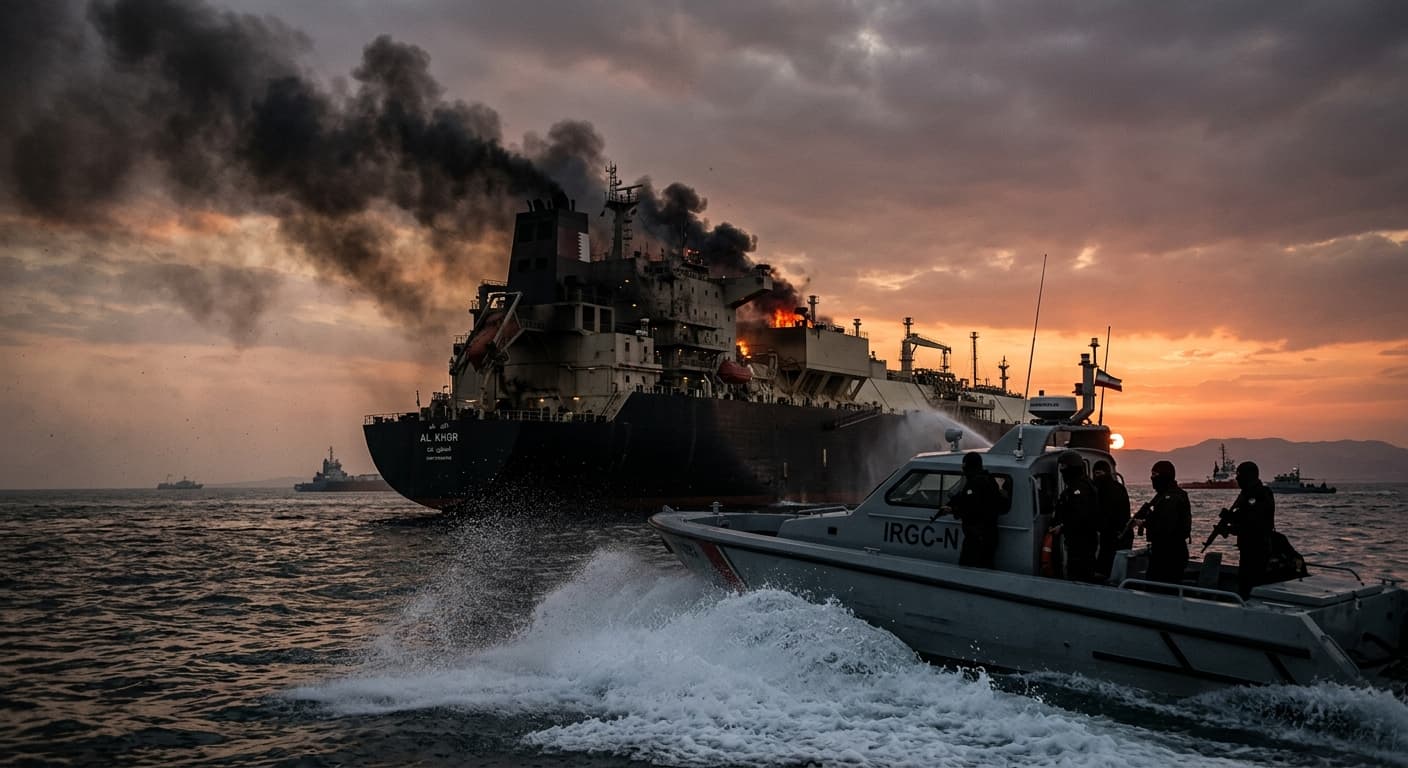
Qatari Tanker Strike Exposes Hormuz Tensions
A Qatari tanker was struck off Oman, revealing the fragility of the Hormuz ceasefire and Iran's influence over maritime security.
Global
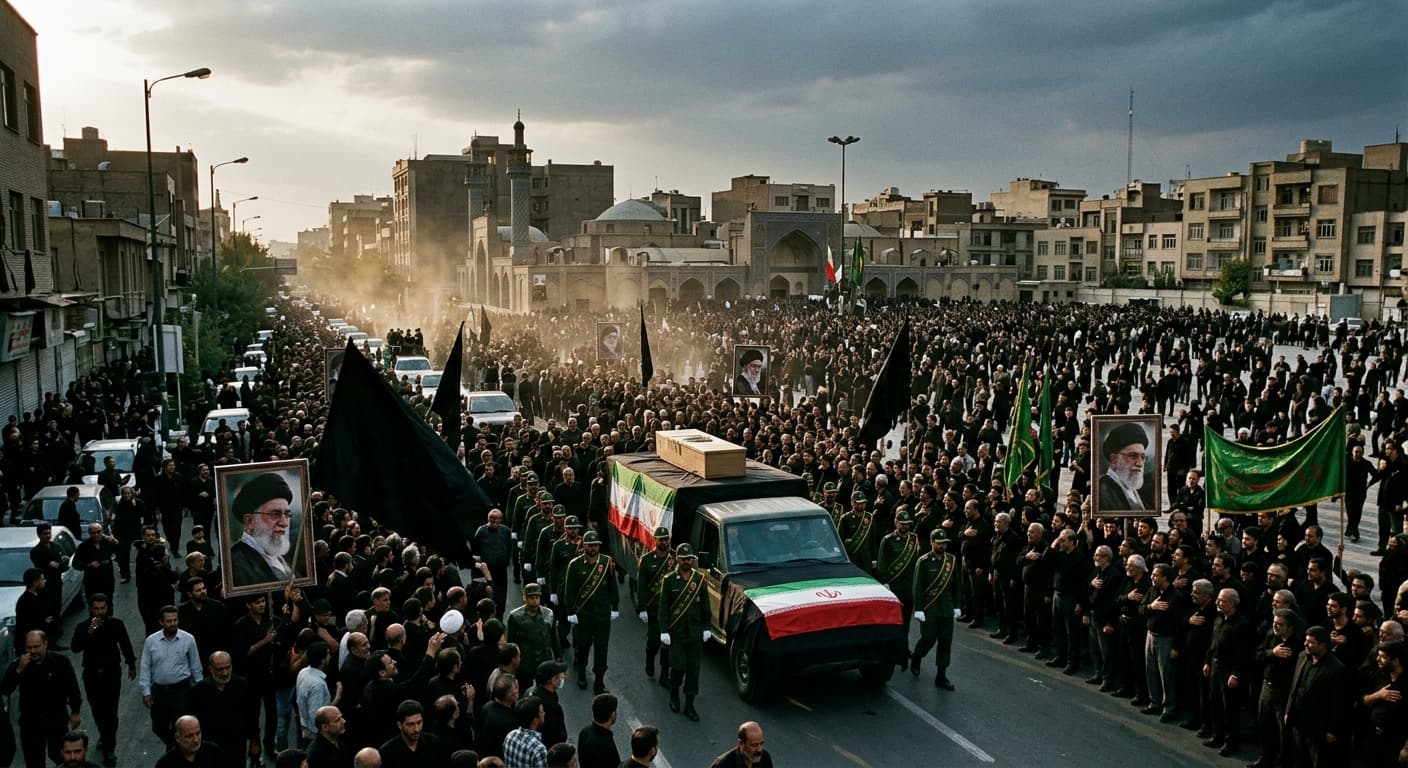
Khamenei's Funeral Signals Iran's Decline
The funeral of Ayatollah Khamenei highlights Iran's diminished influence in the Gulf, with regional powers now dictating terms.
Global
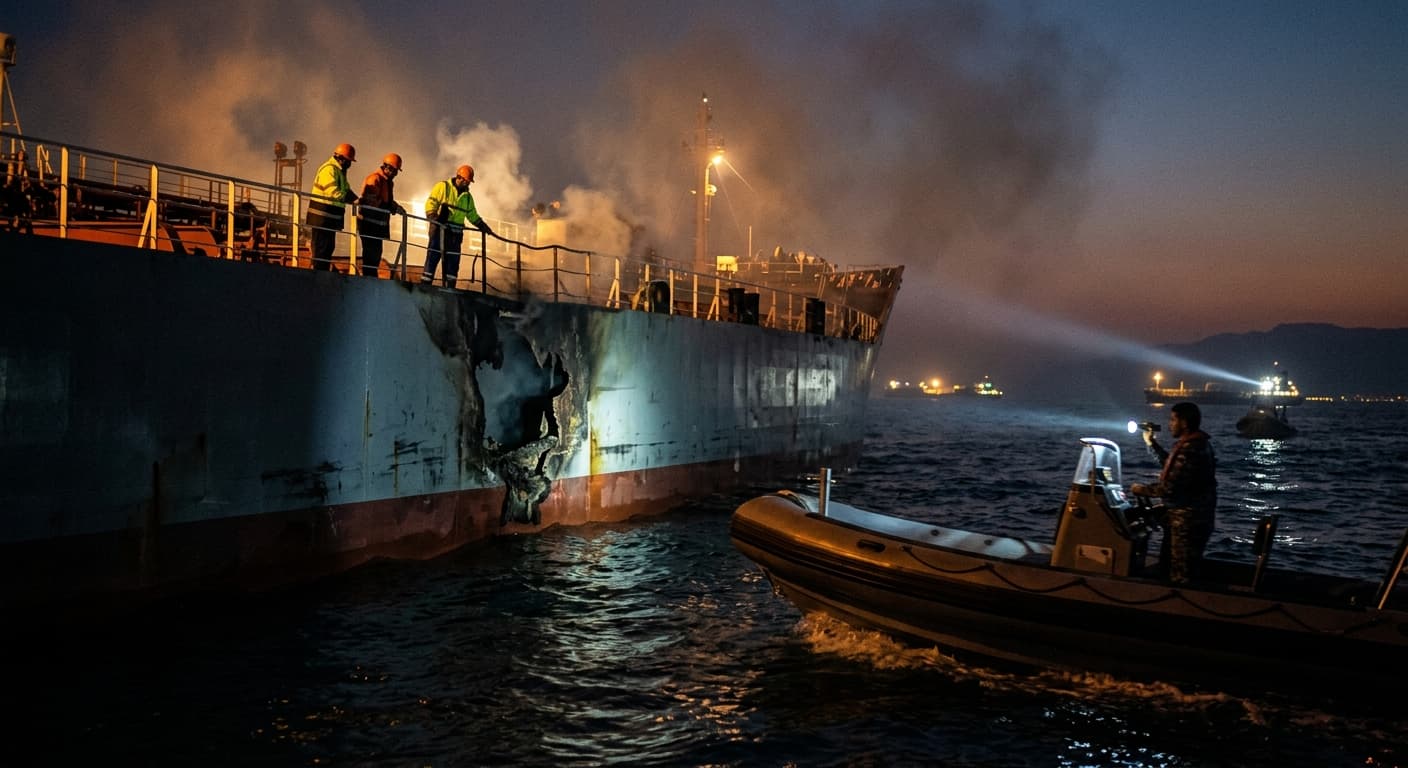
Iran's Hormuz Missile Strikes: A Toll Booth
Iran's missile attack on a Qatari-linked tanker highlights Tehran's strategy to control the Strait of Hormuz, impacting Gulf states and maritime law.
Tech Policy
Iran's Cavern Manticore Targets Israel's IT
Cavern Manticore, an Iran-linked hacking group, targets Israeli IT vendors, prompting a shift in Israel's cybersecurity policy and legislative efforts.