Suvendu Adhikari’s First Test: Governing All Bengal
West Bengal’s new BJP chief minister has a big mandate, but the harder job is turning victory into inclusion, jobs, and order.
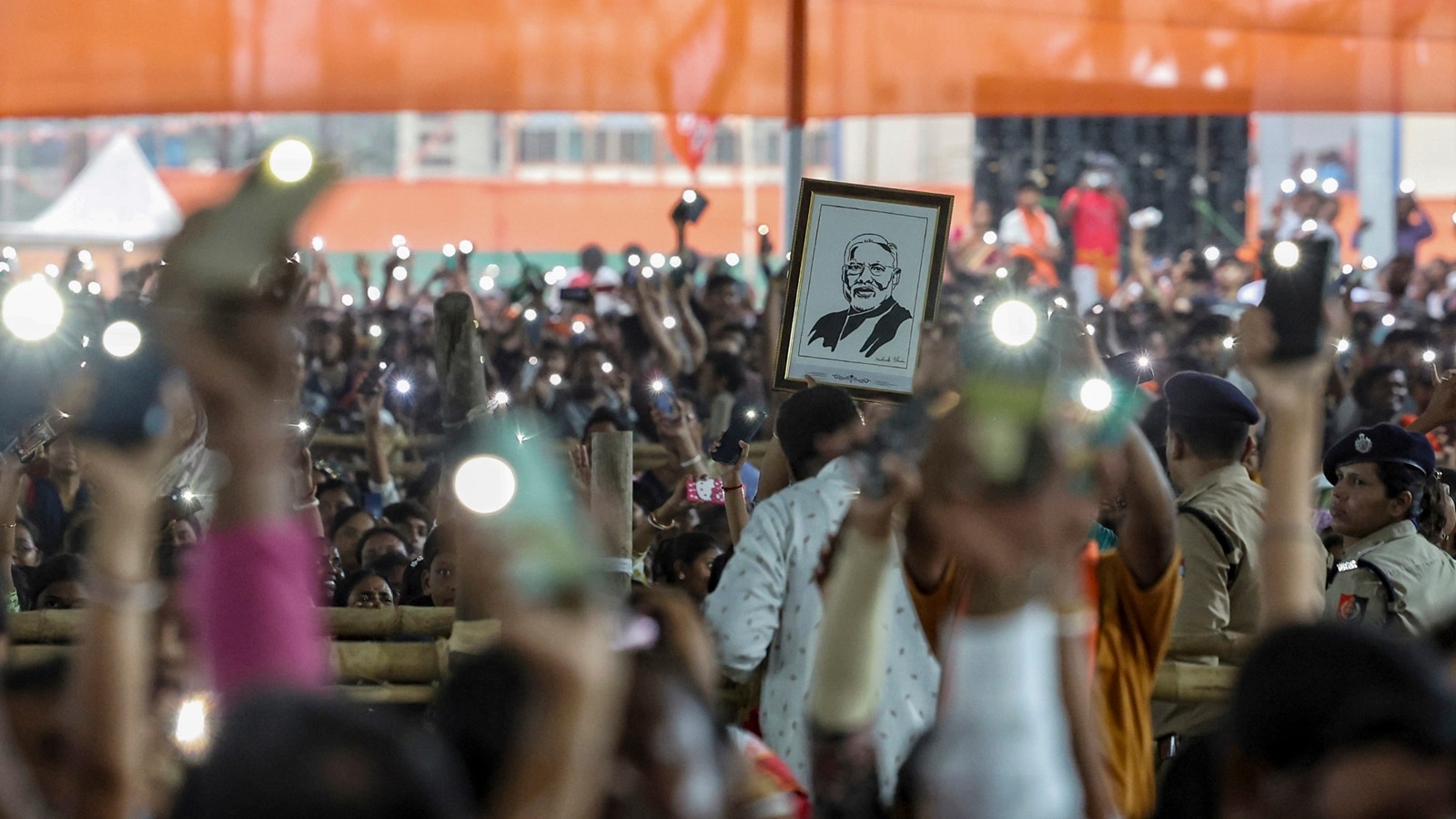
Suvendu Adhikari’s first problem is political, not administrative: he has to convince a bitterly polarized state that the BJP intends to govern, not just rule. The Indian Express argues that after taking the oath, Adhikari called himself “sokoler” — everyone’s — and will now have to prove it by speaking to voters who backed him and those who did not ( The Indian Express). That matters because the BJP did not just win West Bengal; it ended 15 years of Trinamool Congress rule with 207 of 294 seats, while Mamata Banerjee’s party was cut to 80 seats (
 The Hindu). Big victories can create leverage. In Bengal, they also create expectations.
Why the mandate is fragile
The deeper problem is that West Bengal has long been governed through party machinery as much as through institutions. The Indian Express warns that the state’s political culture has repeatedly blurred the line between party and government, weakening accountability and normalizing violence (The Indian Express). That is the trap Adhikari now inherits. If ration cards, welfare access, policing, and local administration are seen as BJP assets rather than state functions, the new government will reproduce the same distrust that helped destroy the Left and then eroded the Trinamool.
There is also a governing advantage here that the BJP can waste quickly. For the first time in decades, the state and the Centre are aligned under the same party, which should make it easier to clear investment bottlenecks, push infrastructure, and secure cooperation on law and order (The Indian Express). But that advantage only matters if the chief minister uses it to build capacity, not to intensify partisanship. For a wider view on how state power translates into national leverage, see  India and Global Politics.
Inclusion is not a slogan
The BJP seems to know it needs a broader coalition than its election-day majority. The Hindu reported that Adhikari’s first cabinet mixed regional and community representation, including Matua, tribal, Rajbangshi, OBC, Brahmin, and Kayastha faces, with only one woman in the initial line-up (The Hindu). That is not just social signaling. In Bengal, it is a recognition that durable power depends on stitching together north Bengal, Junglemahal, the Matua belt, and Kolkata’s urban middle class.
The problem is that Adhikari’s campaign rhetoric already narrowed the frame. The Indian Express flags the use of “ghuspaithiya” politics and the danger of turning electoral success into communal sorting (The Indian Express). A government that wants to consolidate its mandate cannot keep talking like an opposition movement.
What to watch next
The first real test is whether Adhikari can pair order with delivery. The Economic Times reported that, after taking the oath, he immediately reviewed law and order and asked officials to ensure that schemes from the previous government keep running smoothly ( The Economic Times). That is the right sequence: stabilize the state first, then prove the BJP can improve it.
What to watch next is simple: the first budget, the first big industrial announcement, and whether Adhikari tones down the anti-infiltrator messaging that may have won votes but will not govern Bengal. If he can shift from mobilization to administration, the mandate will last. If not, the state’s old cycle of polarisation, patronage, and drift will return.