Supreme Court's Redistricting Impact on GOP
Republican states leverage Court's decision for mid-decade map changes
Model Diplomat3 min readNorth America

Supreme Court Shift Turns Redistricting Into Open War
The Court’s latest voting-rights turn gives Republican mapmakers new leverage, pushing states into a mid-decade fight for House seats.
The new power center in U.S. redistricting is not Congress but Republican-controlled state governments armed with a friendlier Supreme Court. The immediate trigger is the Court’s late-April ruling striking down Louisiana’s majority-Black congressional district, a decision that AP reports is already accelerating redraw efforts well beyond one state and feeding a broader winner-take-all struggle over House control Supreme Court ruling will reshape American politics. The only question is when
Redistricting war accelerates winner-take-all political combat that's straining American democracy.
Why Republicans now hold the leverage
The Court’s move matters because it weakens one of the few remaining federal constraints on mapmaking after the justices ruled in 2019 that partisan gerrymandering claims are beyond the reach of federal courts Supreme Court declines to put limits on partisan gerrymandering. For the last few cycles, Section 2 of the Voting Rights Act still forced states such as Alabama and Louisiana to preserve some minority opportunity districts; now that safeguard is narrower, and GOP officials are moving fast to exploit the opening
Redistricting battle intensifies in states after US Supreme Court ruling on Voting Rights Act
Supreme Court ruling on race-based redistricting prompts quick action in some states.
That is why Louisiana Gov. Jeff Landry suspended a House primary after the ruling, while Alabama Gov. Kay Ivey and Tennessee Gov. Bill Lee moved toward special sessions to redraw maps that could add Republican seats Louisiana governor suspends primary after voting rights ruling
Tennessee, Alabama move toward adding Republican House seats
Alabama and Tennessee join rush of southern states moving to redraw maps after Supreme Court ruling. The beneficiaries are concrete: Southern Republican governors, state legislative leaders, and House GOP strategists. The likely losers are Democratic incumbents in vulnerable districts and Black voters whose representation had been protected through court-ordered maps.
Why this is bigger than one round of mapmaking
The deeper shift is that redistricting is becoming continuous rather than decennial. Mid-decade redraws used to be exceptional; now both parties increasingly treat them as standard power politics, especially when courts create openings. Democrats have scored isolated wins, including in Virginia, but AP’s reporting is clear that those gains do not offset the broader national advantage held by states where Republicans control both the pen and the calendar Democrats win in Virginia but it won't be the final say in a national redistricting competition.
Republicans argue the Court is finally moving beyond race-based districting mandates and letting states reflect political realities more accurately Alabama and Tennessee join rush of southern states moving to redraw maps after Supreme Court ruling. Critics see the opposite: a system where every legal opening is used to lock in partisan advantage, reducing minority influence and making election administration itself contingent on litigation
Redistricting battle intensifies in states after US Supreme Court ruling on Voting Rights Act.
For more on the broader U.S. power struggle, see Diplomat’s US Politics and
United States pages.
What to watch next
Watch the sequence, not the rhetoric: special sessions in Alabama and Tennessee, the timetable for Louisiana’s replacement map, and whether other Republican-led states — especially Texas and North Carolina — decide the Court has given them room to reopen their own lines Redistricting battle intensifies in states after US Supreme Court ruling on Voting Rights Act. The next decision point is simple: whether judges let these mid-cycle maps take effect in time to shape the 2026 House battlefield. If they do, redistricting stops being a background rule fight and becomes a frontline electoral weapon.
Discover more

US Politics
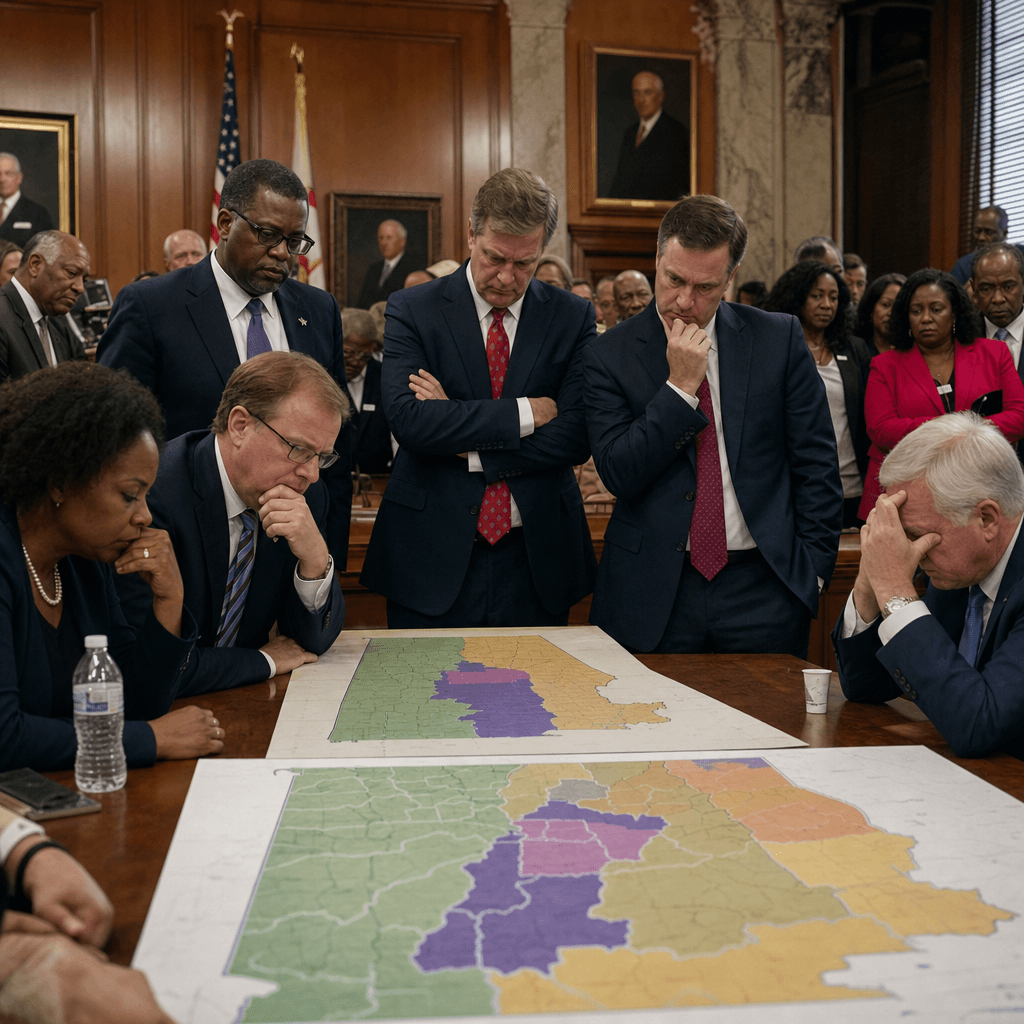
Alabama GOP Map Blocked by Federal Court
A federal court blocked Alabama's new GOP congressional map, preserving Black voter representation and reigniting the long redistricting fight over voting.
US Politics
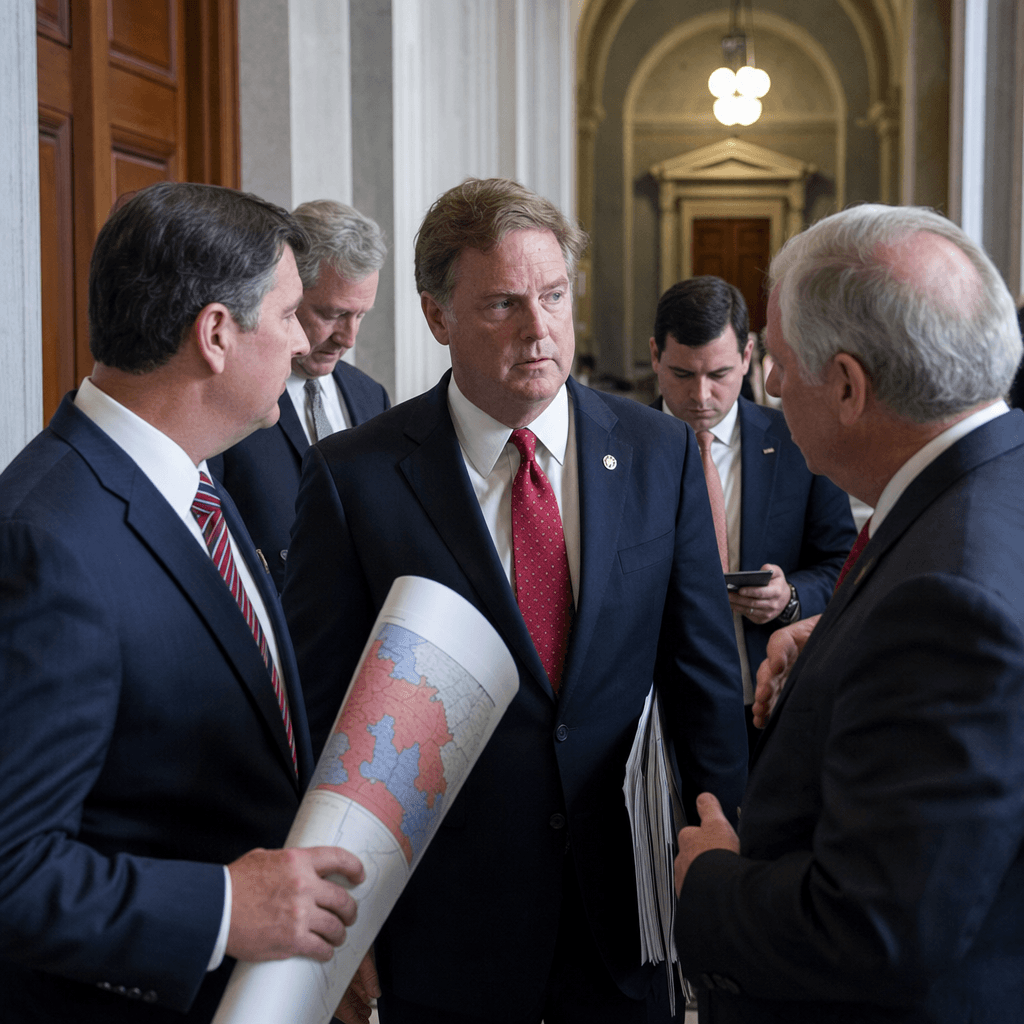
Alabama Redistricting Ruling Blunts GOP
An Alabama redistricting ruling preserves a second Black-majority district, blunting GOP map plans and reshaping voting rights stakes heading into the midterms.
US Politics
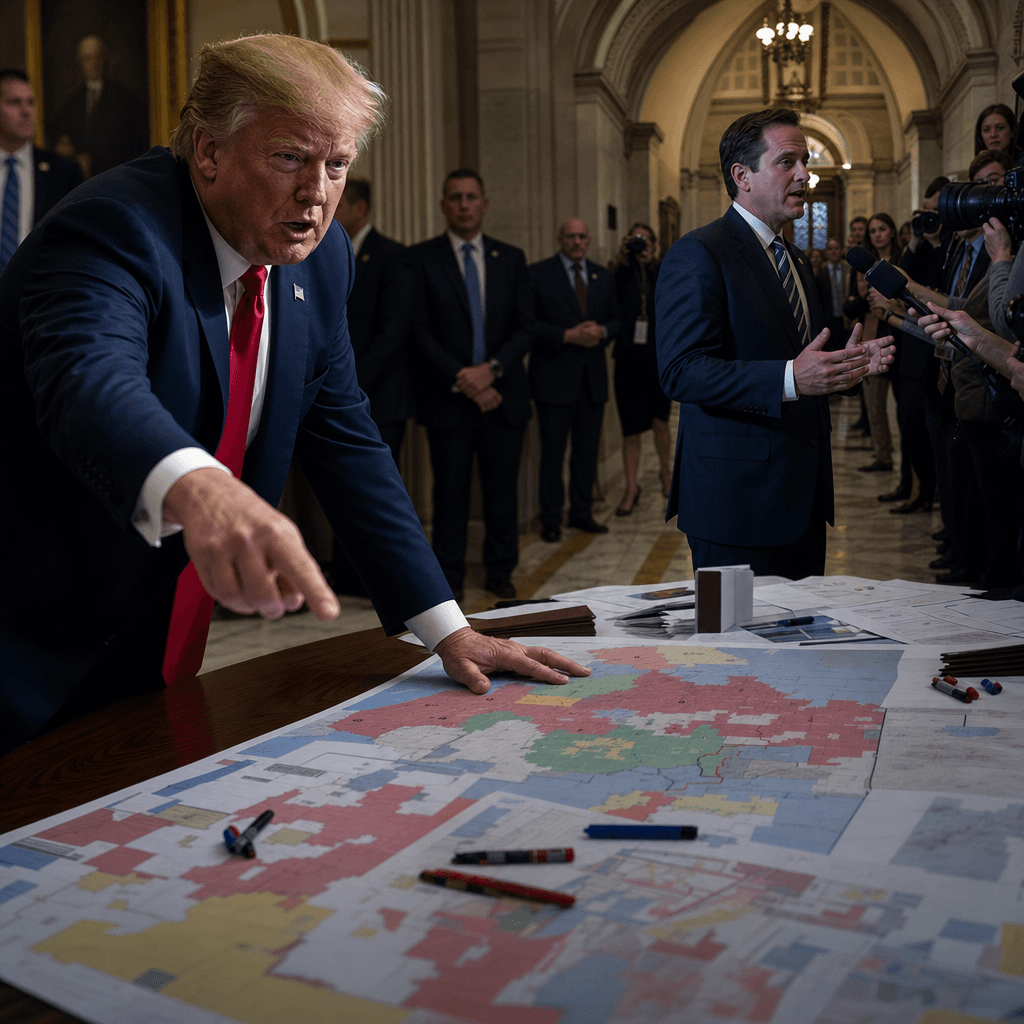
Alabama GOP Pushes for New House Map Primar
Alabama Republicans bet that court rulings will reopen the state's House map, seeking redistricting gains in a fight tangled with voting rights and elections.
US Politics
Trump's Redistricting Strategy
Trump's redistricting efforts create 10 GOP-leaning House seats and reshape Voting Rights Act rules, impacting future elections.