Spain's NATO Tensions: US Expulsion Threats
NATO confirms no expulsion clause amid US-Spain tensions.
Model Diplomat3 min readEurope
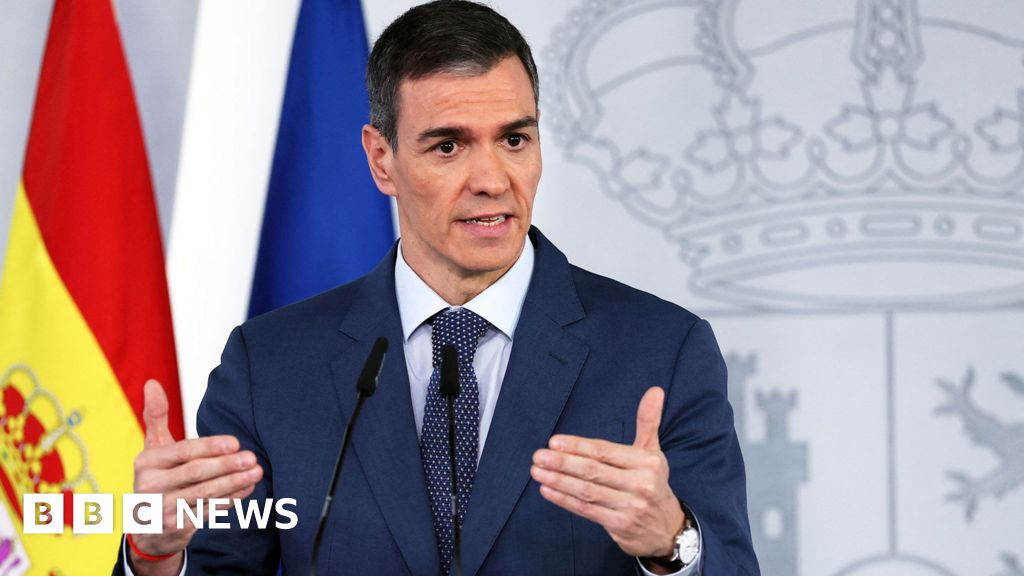
Spain in NATO's Crosshairs — But Washington Has No Ejector Seat
The US floated suspending Spain from NATO. The alliance says it can't be done. Both statements reveal more than either side intended.
NATO confirmed this week it has "no provision" to expel or suspend a member state, responding directly to reports that the Trump administration was exploring mechanisms to push Spain out of the alliance. The clarification is legally accurate — the North Atlantic Treaty contains no expulsion clause — but the fact NATO felt compelled to say it out loud signals how seriously the underlying friction is being taken.
The dispute has been building for months. Spain's Prime Minister Pedro Sánchez has accumulated a rare trifecta of irritants for Washington: he rejected NATO's proposed 5% GDP defense spending target as "unreasonable," publicly blocked US use of the Rota and Morón military bases for operations related to the Iran war, and closed Spanish airspace to US aircraft involved in the conflict. Secretary of State Marco Rubio responded in March by saying NATO "must be re-examined" — a pointed signal that Madrid's obstruction carries consequences. (Al Jazeera)
The Leverage Is Real, Even If the Legal Tool Isn't
NATO's "no provision" statement is technically airtight but strategically beside the point. Washington doesn't need a formal expulsion mechanism to squeeze Spain. The US contribution represents roughly 60% of total NATO defence expenditure — a structural dependency that gives it asymmetric leverage over any individual member. Bilateral consequences — reduced intelligence sharing, repositioning of assets from Rota, diplomatic isolation in alliance councils — are available without touching the North Atlantic Treaty. The threat is the message; the legal impossibility is almost irrelevant. (Reuters)
Spain's position is not entirely isolated. Belgium, Canada, France, and Italy all fall short of the proposed 5% threshold, and Sánchez has been explicit that Spain's defense needs are met at roughly 2.1% of GDP — a figure he's framed as capability-based rather than politically defiant. But no other NATO ally has simultaneously blocked base access and airspace for a US military operation. That operational obstruction is the sharper edge here, and it's what converted a spending dispute into a membership conversation. (AP News)
Who Benefits
Sánchez wins domestically — his left-wing coalition partners oppose the Iran war, and resistance to US pressure plays well ahead of any confidence vote. The Trump administration wins the narrative, using Spain as a visible example to discipline other underspending allies before the Hague NATO summit, where the 5% target is the central fight. European defense-autonomy advocates — particularly those backing a joint EU army, a concept Sánchez himself has championed — gain a concrete case study for why European strategic independence from Washington matters.
The loser in the short term is alliance cohesion heading into The Hague summit, where the US needs a unified communiqué on spending commitments and Spain just handed skeptics a veto threat.
What to Watch
The Hague NATO summit is the next hard deadline. If Spain holds its line on the 5% target while the US pushes for a binding commitment, the summit risks fracturing publicly — an outcome neither NATO Secretary-General Mark Rutte nor most European capitals want. Watch whether Washington moves from rhetorical pressure to concrete bilateral action at Rota. If US assets begin quietly relocating, the threat becomes a fait accompli — no expulsion clause required.
For deeper context on the transatlantic alliance strains reshaping international relations, the Spain episode is a preview, not an anomaly.
Discover more

Global Politics
US Seizes Iranian Ship, Tensions Surge
The US seizure of the Iranian ship Touska highlights a shift in control over the Strait of Hormuz, favoring Iran's strategic position.
India
Romanian Coalition Party Demands PM Resign
Romania's Social Democrats withdrew from coalition, joining far-right AUR to topple PM Bolojan, risking €10 billion in EU funds by August 2026.

Conflict & Security
Drone Warfare Killing Aid Workers at Unprec
Over 1,000 humanitarian workers killed in three years as cheap armed drones collapse legal protections. Gaza, Sudan, Ukraine, and DRC see deliberate targeting of aid convoys and hospitals with zero prosecutions.

Global
World Normalises Taliban as Afghan Women Eras
UN data shows Afghan women erased from public life as Russia recognises the Taliban, EU hosts officials in Brussels, and ICC warrants for gender persecution go unenforced.