Siddaramaiah's Control in Karnataka Succesion
Karnataka CM asserts party leadership rests with high command.
Model Diplomat2 min readAsia

Siddaramaiah Signals Control as Karnataka Succession Chat Persists
The Karnataka CM is trying to freeze the succession debate: the Congress will finish five years, but the party high command still owns the real lever.
Siddaramaiah has put the Congress line on the record: the Karnataka government will run its full term, while any decision on leadership rests with the party high command, not the state unit (ThePrint /
Congress would complete its 5-year term in Karnataka: CM). That is the real power dynamic in Bengaluru right now: Siddaramaiah is projecting stability, but he is also signalling that his tenure depends on Delhi’s discretion, not on local arithmetic.
The message is aimed at two audiences
To Congress legislators, the message is that there is no vacancy to exploit. To D.K. Shivakumar’s camp, it is that the chief minister is not conceding the rotational-CM talk that has lingered since the 2023 election. ThePrint reported that Siddaramaiah refused to say he would personally complete five years, repeating only that “the high command will decide,” while
The Hindu noted he tied any continuation to the party leadership’s call.
That formulation is deliberate. It lets Siddaramaiah claim authority without triggering an open showdown with Shivakumar, who still has an organised faction inside the Karnataka Congress. It also keeps the chief minister aligned with the party’s centralised culture: the high command arbiters careers, and state leaders manage the optics.
Why this matters beyond Karnataka
The immediate beneficiary is Siddaramaiah, who is using incumbency and recent bypoll wins to argue that the government has public momentum. ThePrint said he pointed to victories in Bagalkote and Davanagere South as evidence that voters have backed the government’s programmes. The loss, if the pressure builds, falls on Shivakumar’s aspirational block, which has been expecting movement on the chief ministership question.
But the deeper issue is governance drag. The Hindu reported that leadership talks in Delhi are unlikely in the next few weeks, and that Congress president Mallikarjun Kharge has said there is no timeline for a change. That means the uncertainty itself may become the state’s governing condition: ministers jockey for position, ambitious MLAs look to Delhi, and policy management gets filtered through succession gossip. For a broader read on party management in India, see
India.
What to watch next
The next decision point is not in Bengaluru but in Delhi: whether Rahul Gandhi, Kharge, or AICC general secretary K.C. Venugopal summon Siddaramaiah and Shivakumar for a closed-door settlement. ThePrint said Siddaramaiah is willing to travel to Delhi if called;
The Hindu says that call is not imminent. Until that changes, Siddaramaiah has the advantage: he is the sitting chief minister, and he is making Delhi own the clock.
Discover more
India
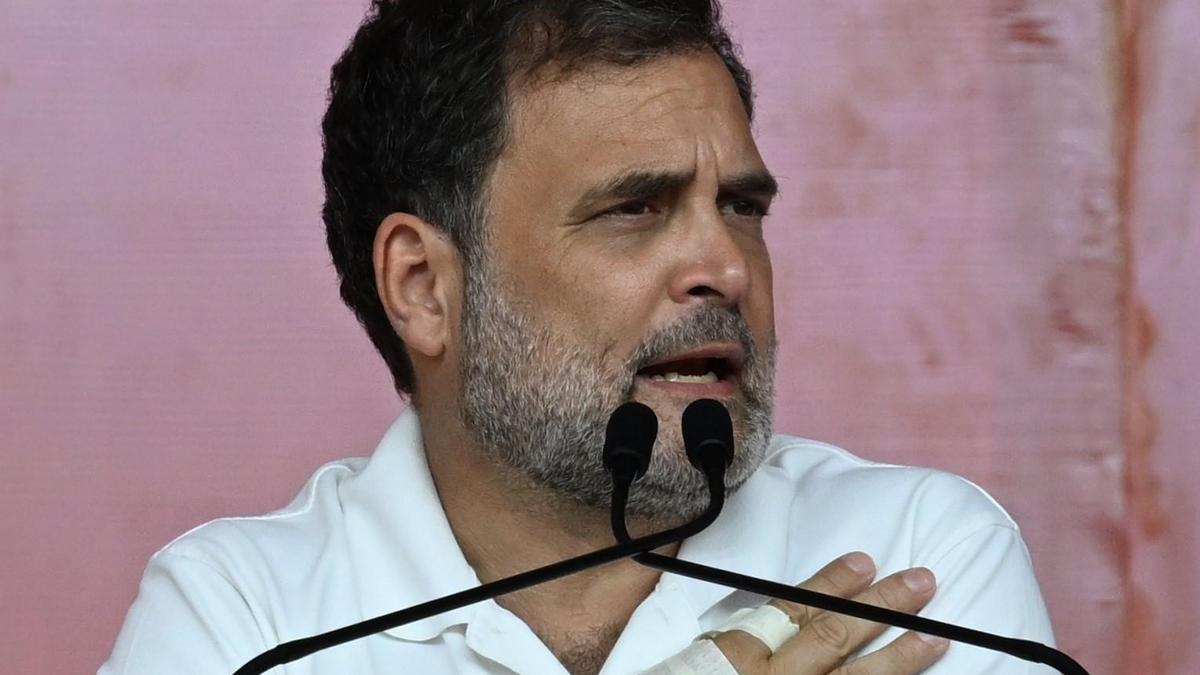
Rajnath Singh's Durga Squad for 2026 Polls
Rajnath Singh's 'Durga Squad' initiative targets women's safety ahead of Assembly Elections 2026, contrasting with Rahul Gandhi's southern campaign.
India
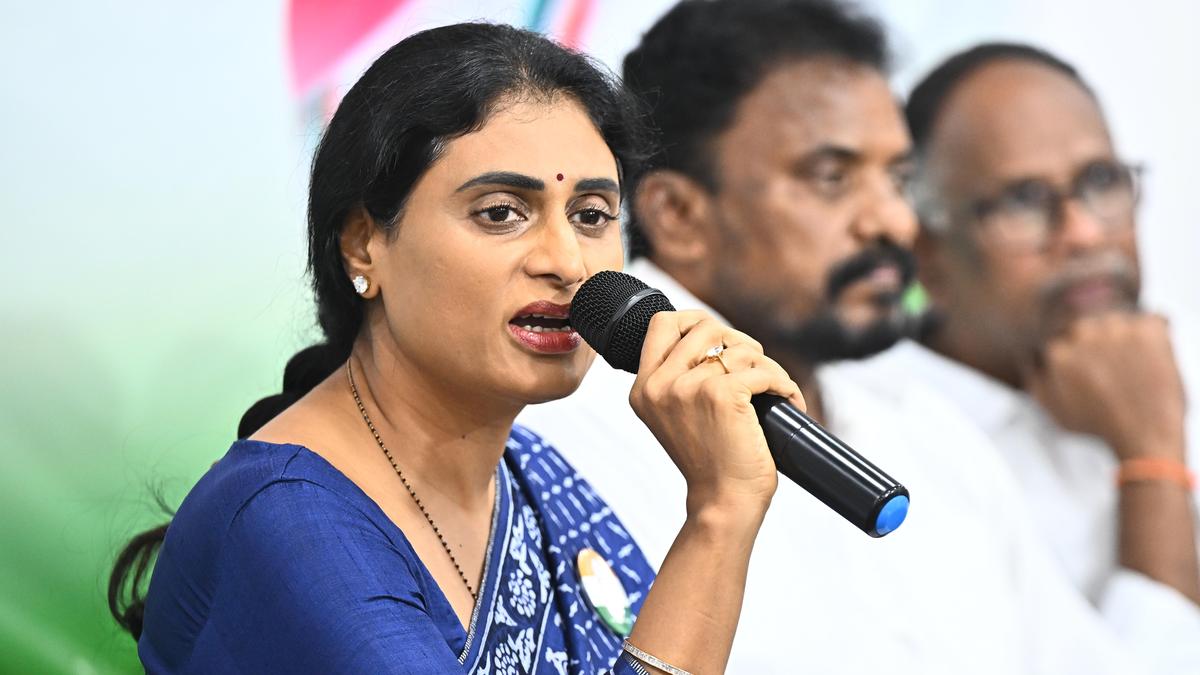
Congress Advocates 33% Women’s Quota
YS Sharmila of Congress reaffirms 33% women's quota, accusing Modi of politicizing the issue amid delimitation talks.
India
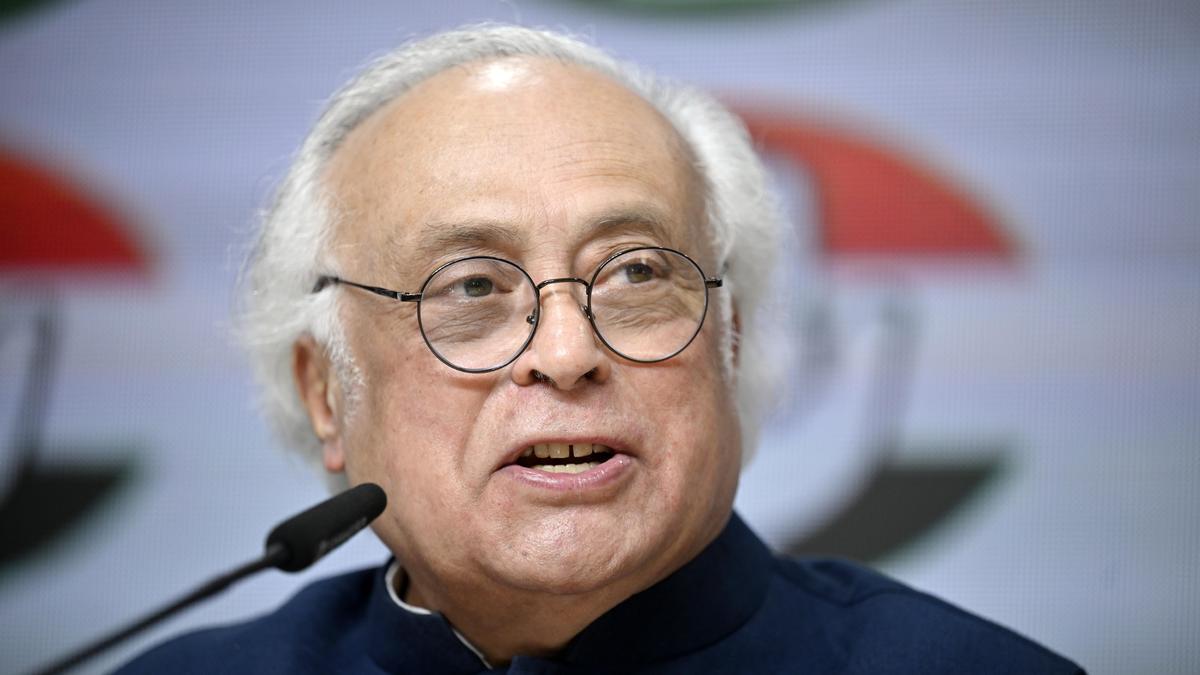
Congress Accuses Modi of Stalling Women's Law
Congress accuses Modi's government of delaying the women's reservation bill for political gain, risking women's representation in India.
India
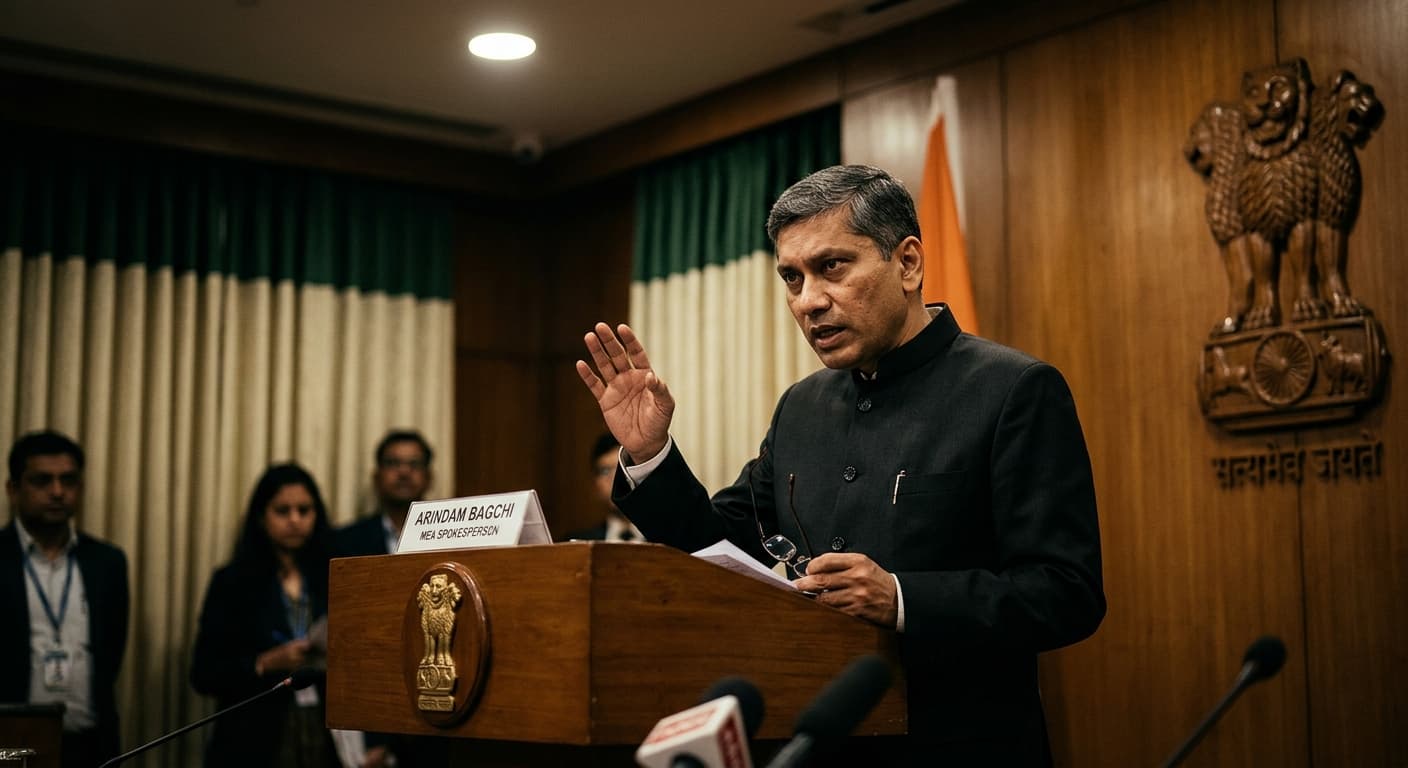
India Rejects Zardari's Mosque Comments
India's MEA rebukes Zardari's mosque comments, citing Pakistan's human rights record.