Senate GOP Links Immigration Reform to $1B
Republicans leverage immigration reform for security funding boost.
Model Diplomat3 min readNorth America

Senate GOP Tangles Immigration Reform with $1B Security Funding
US Senate Republicans propose $1 billion for ICE/CBP security, tying it to immigration legislation. This move threatens bipartisan talks and faces Democratic opposition.
Senate Republicans are leveraging the critical need for immigration reform to push for substantial security funding increases, specifically proposing $1 billion for ICE and CBP operations. This allocation, detailed in a proposed amendment to an upcoming appropriations bill, has become a flashpoint, threatening to derail bipartisan negotiations by including provisions that Democrats are already characterizing as partisan poison pills. The core of the dispute lies in how the funds would be utilized, with early reports suggesting the security enhancements could extend to facilities for protecting former presidents, a specific point of contention. Source: CNN
The Leverage Play
The Republican strategy centers on using the perceived urgency of border security and immigration control as leverage. By attaching a significant, $1 billion funding request for agencies like ICE and CBP, the GOP leadership aims to compel Democrats and the Biden administration to concede on broader immigration policy goals. The inclusion of funds that could cover security for former presidential properties is a calculated move; it allows proponents to frame the expenditure as essential national security or protective detail costs, while simultaneously appealing to specific constituencies within the Republican base. This marks a familiar legislative tactic of appending controversial riders to must-pass legislation, raising the stakes for any eventual deal. The power dynamic here sees the GOP holding the cards on legislative progress, using the immigration issue to extract concessions on funding priorities that might otherwise face steeper opposition.
Beneficiaries and Blockers
This push benefits Senate Republicans by allowing them to demonstrate action on border security and support for their party's presumptive nominee, while offering them a clear point to blame for any legislative deadlock. The direct or indirect beneficiaries of the security funding itself, potentially including entities or properties associated with former President Trump, gain from the prospect of public funds covering substantial security costs. Conversely, Democrats and the Biden administration stand to lose by facing a difficult choice: accept a funding package with objectionable provisions, or allow immigration reform and essential agency appropriations to stall. Immigration reform advocates also lose, as legislative progress on humanitarian and systemic fixes for migration is jeopardized by these partisan wrangling.
What to Watch Next
The immediate focus will be on the negotiations surrounding the appropriations bill and any proposed amendments. Observers should monitor whether Democrats offer counter-proposals to strip out or reallocate the contested security funds, or if they attempt to include their own priorities. The stance of the White House will be critical – whether it signals willingness to accept the provision under duress or rejects it outright. The voting patterns within the Senate will reveal the true depth of bipartisan support or opposition. Pay close attention to statements from key senators involved in the appropriations and homeland security committees in the coming days. The outcome will set a precedent for future funding battles within US Politics.
Discover more
US Politics
Congress Targets AI Chatbot Access for Terror
The House passed the Generative AI Terrorism Risk Assessment Act, focusing on AI's role in terrorism and potential surveillance implications.

Conflict & Security
Drone Warfare Killing Aid Workers at Unprec
Over 1,000 humanitarian workers killed in three years as cheap armed drones collapse legal protections. Gaza, Sudan, Ukraine, and DRC see deliberate targeting of aid convoys and hospitals with zero prosecutions.

Global
World Normalises Taliban as Afghan Women Eras
UN data shows Afghan women erased from public life as Russia recognises the Taliban, EU hosts officials in Brussels, and ICC warrants for gender persecution go unenforced.
Conflict & Security
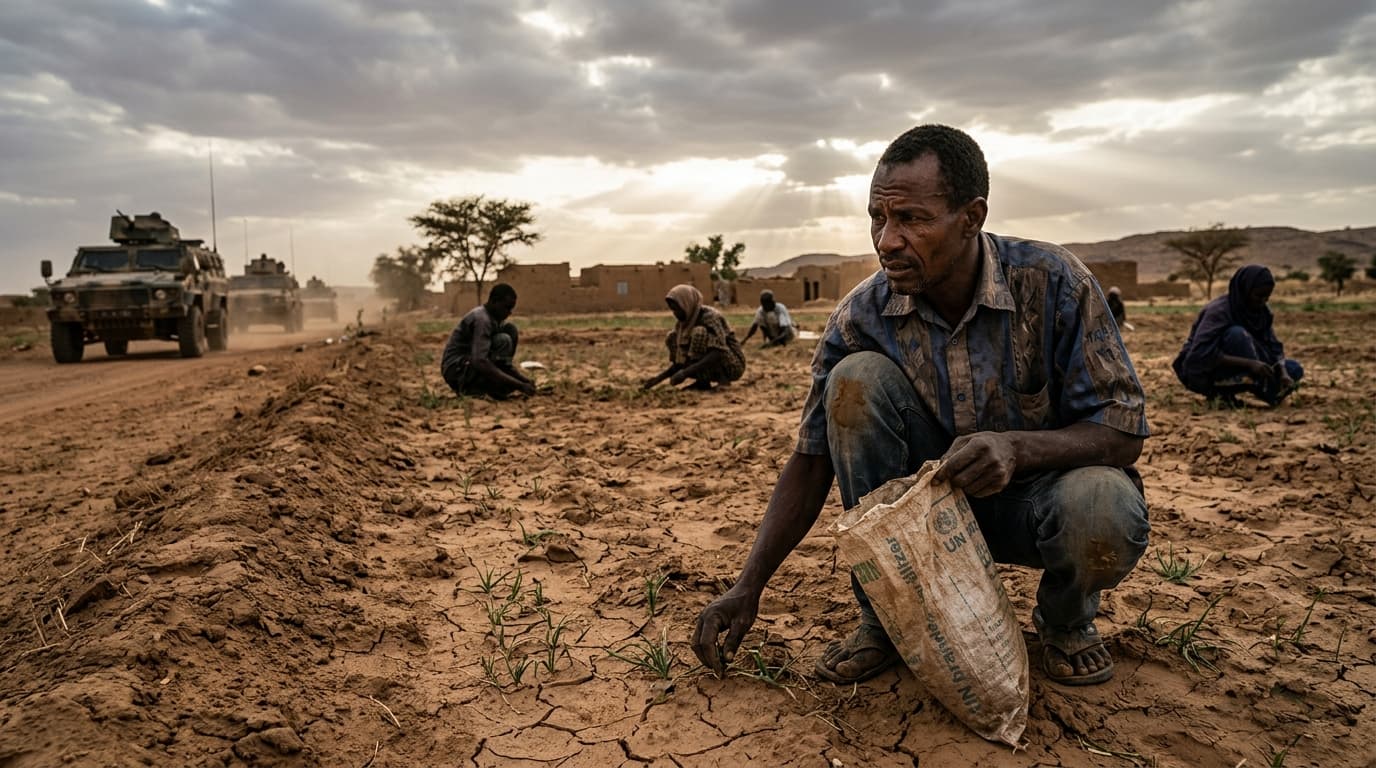
West Africa Food Crisis: Three Shocks in 2026
Conflict, climate extremes, and the Strait of Hormuz closure drive a severe food crisis in West and Central Africa, with fertilizer prices surging 80% and millions displaced.