Saudi Arabia's $74 Billion Deficit Explained
Riyadh's budget reveals a risky economic strategy.
Model Diplomat3 min readasia
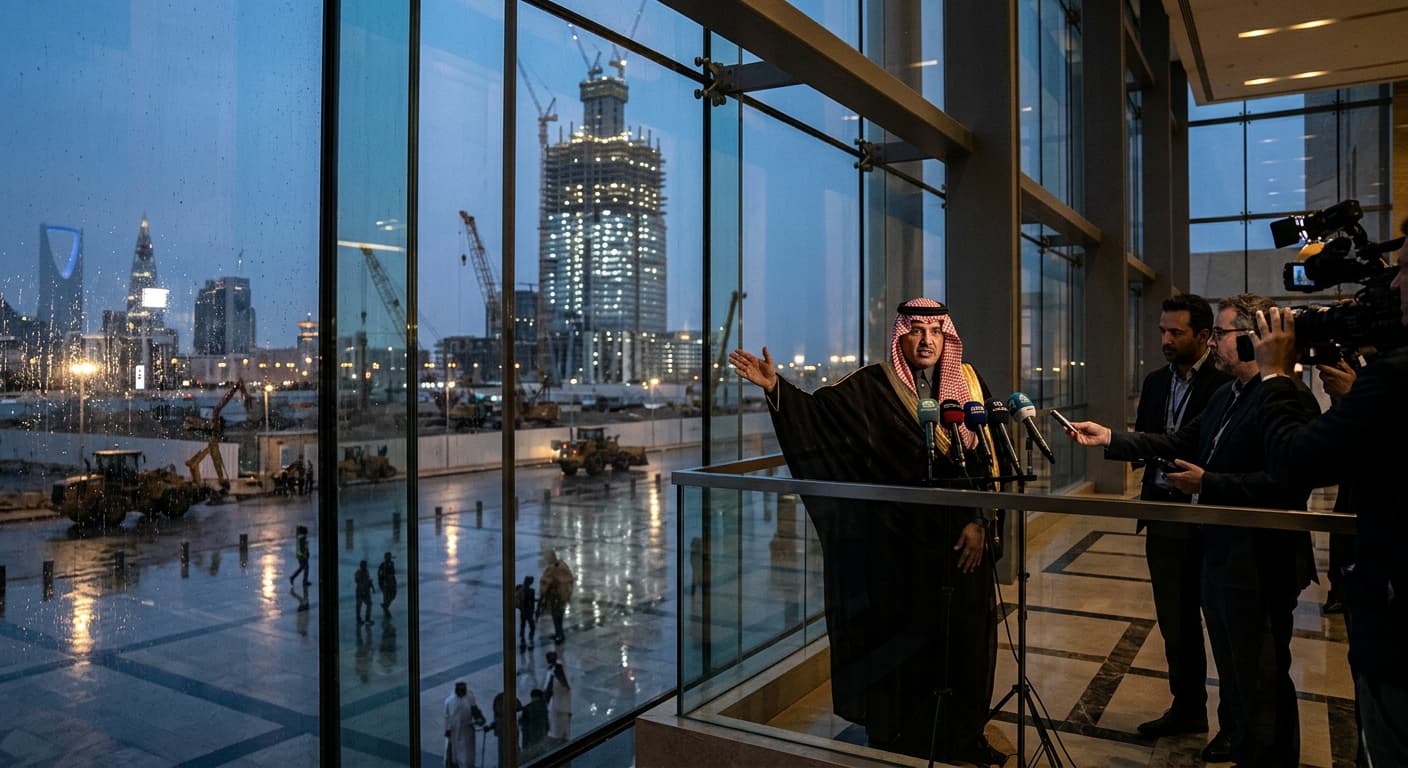
Saudi Arabia Runs a $74 Billion Deficit — and Calls It a Win
Riyadh's 2025 budget reveals a deliberate bet: borrow now, diversify fast, and let Vision 2030 close the gap before debt becomes a problem.
The numbers land squarely in the "good news, bad news" category. Saudi Arabia's Ministry of Finance posted 2025 budget results on Saturday showing real GDP growth of 4.6% — the kind of headline most G20 economies would envy — alongside a fiscal deficit that swelled to roughly SR277 billion, or 5.8% of GDP. Oil revenue cratered 20% year-on-year to SR606.5 billion. Yet Riyadh is not blinking. Total expenditure hit SR1.39 trillion, up from the previous year, as the government leaned into an explicitly countercyclical expansion. Arab News
The bet is simple to describe and risky to execute: spend through the revenue dip, finance the gap with debt, and trust that the non-oil economy — now generating 55% of GDP — will eventually grow its way out of the hole.
The engine is non-oil. The fuel is government spending.
Non-oil GDP grew 5.1% in 2025, contributing 2.8 percentage points to overall growth. Non-oil revenues rose 5.3% above budget to SR505.3 billion, a modest but real signal that tax and fee diversification is gaining traction. The MENA Business Review The IMF's 2026 Article IV mission noted that the Kingdom entered this year with "strong momentum," driven by robust domestic demand and the unwinding of OPEC+ production cuts from April 2025 onward.
IMF
Here is where the structural tension lies. The non-oil growth is real — wholesale and retail trade, hospitality, construction, and finance are all expanding — but it remains tethered to government-led capital formation. Gross fixed capital investment reached 32% of GDP, matching South Korea and Turkey. Remove state spending from the equation and non-oil non-government investment still grew at a healthy 7.1%, which suggests private-sector momentum is building. But the government remains the primary underwriter.
Inflation stayed anchored around 2%, a genuine achievement given the scale of fiscal expansion and global price pressures. Saudi unemployment hit a record low of 6.8%, with female workforce participation climbing to 34.5%. Economy Middle East
Who gains, who carries the risk
The construction, logistics, and tourism sectors are the immediate winners. Saudi Arabia welcomed 123 million tourists in 2025, including over 18 million Umrah pilgrims, smashing targets. Foreign direct investment reached $35.5 billion, and more than 700 international firms have established regional headquarters in the Kingdom. These are real structural shifts.
International bondholders are being well fed — and well compensated for the risk. Saudi Arabia became the largest emerging-market dollar debt issuer in 2024. Public debt climbed to SR1.52 trillion by end-2025, from SR1.22 trillion a year earlier. The yield spread on Saudi treasuries over US equivalents sits at roughly 80 basis points, near historic lows. Markets are pricing confidence, not alarm.
The risk-taker, plainly, is the Saudi state itself — and by extension future budgets. The IMF projects the deficit will narrow to 3.3% of GDP by 2030, with debt peaking around 40% of GDP. That trajectory assumes oil prices cooperate, non-oil revenue keeps climbing, and the Strait of Hormuz — which the IMF flagged as a material disruptor to 2026 trade flows — does not produce a prolonged shock. Any one of those assumptions can break.
What to watch
The 2026 budget, already unveiled, projects a narrower deficit of SR165 billion (3.3% of GDP) on revenues of SR1.147 trillion. Whether that holds depends on two variables: the speed at which maritime traffic through Hormuz normalizes, and the trajectory of oil prices. The IMF's June 2026 mission estimated that growth this year could slow to roughly 2% if disruptions persist, a figure that makes fiscal consolidation markedly harder.
The deeper question is whether non-oil revenue growth can decouple from state spending. If it can — and the 5.3% beat against budget in 2025 suggests early progress — then Riyadh's debt-financed sprint toward Vision 2030 looks prescient. If it cannot, then the borrowing spree that produced 4.6% GDP growth this year becomes a liability that narrows the runway for the reforms it was meant to fund.
Discover more
US Politics
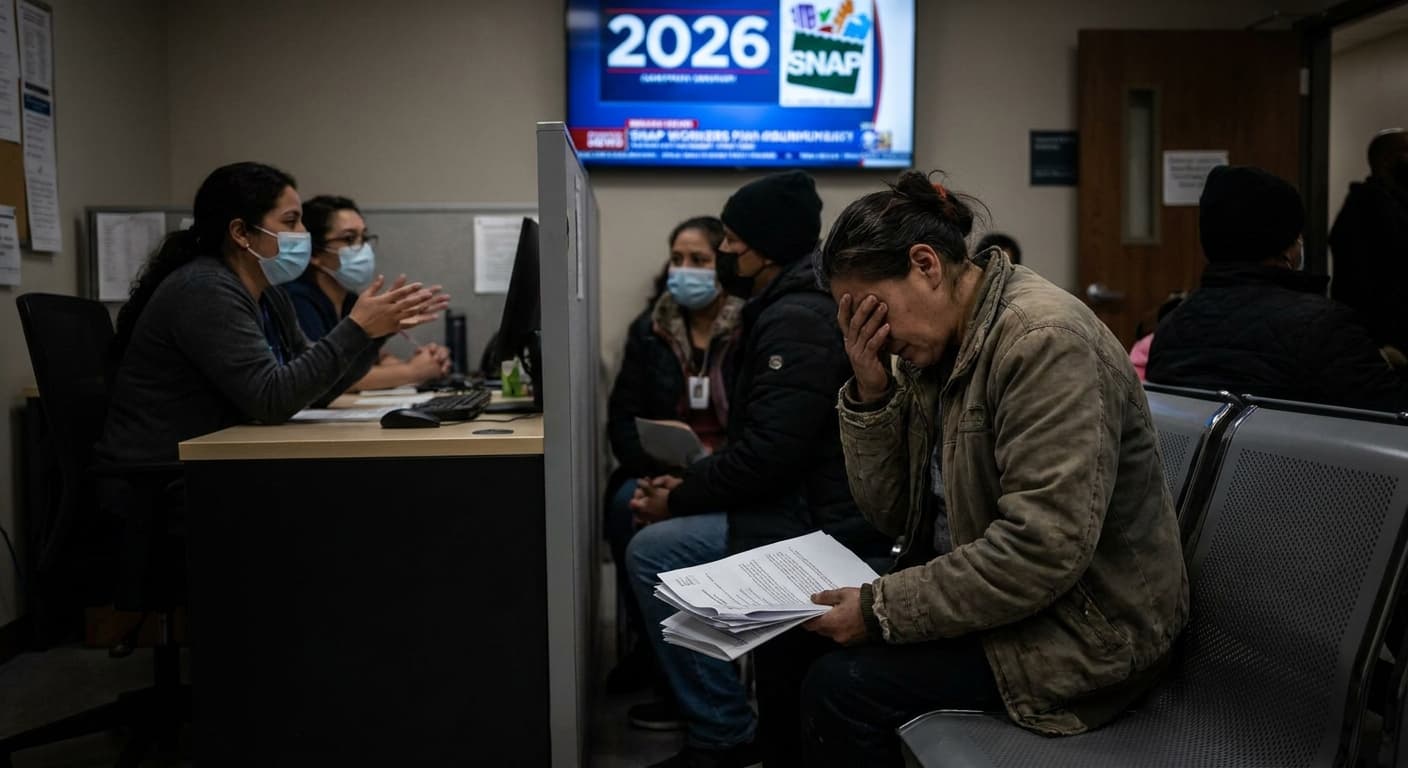
SNAP Food Assistance Faces Legal Challenges
In 2026, SNAP faces stricter eligibility rules and mounting legal challenges, threatening food assistance for the millions of Americans who rely on the program.
India
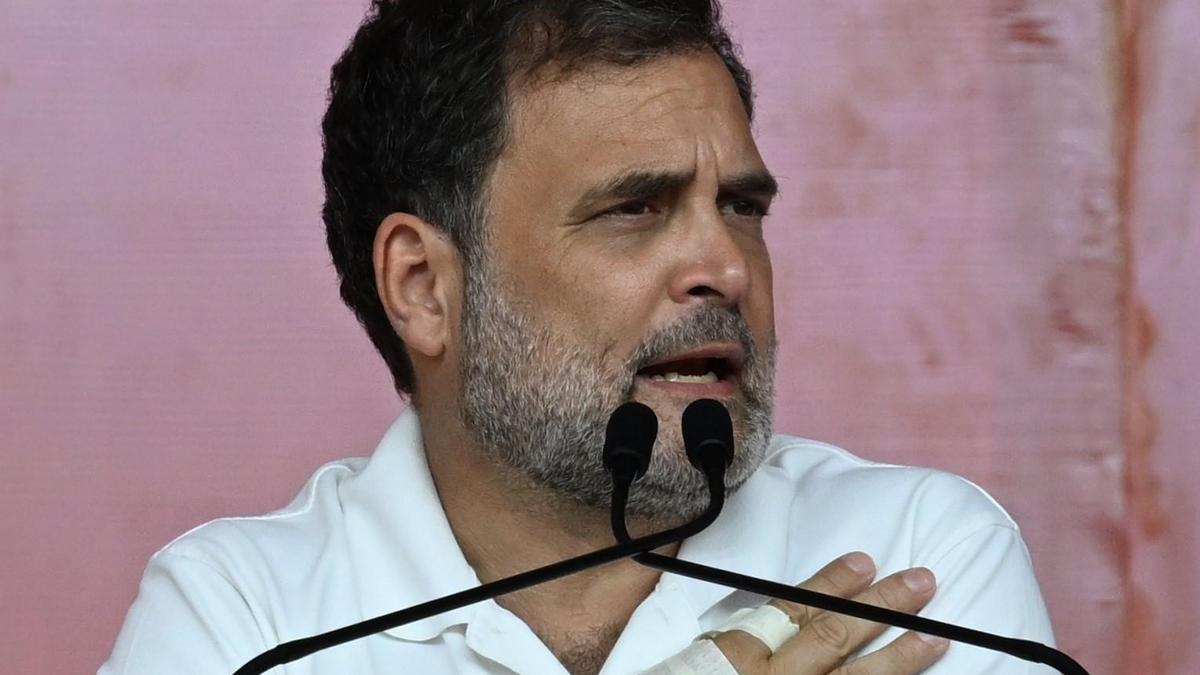
Rajnath Singh's Durga Squad for 2026 Polls
Rajnath Singh's Durga Squad promised women's safety in Bengal but has since disappeared from the agenda, revealing BJP's true priorities.
India
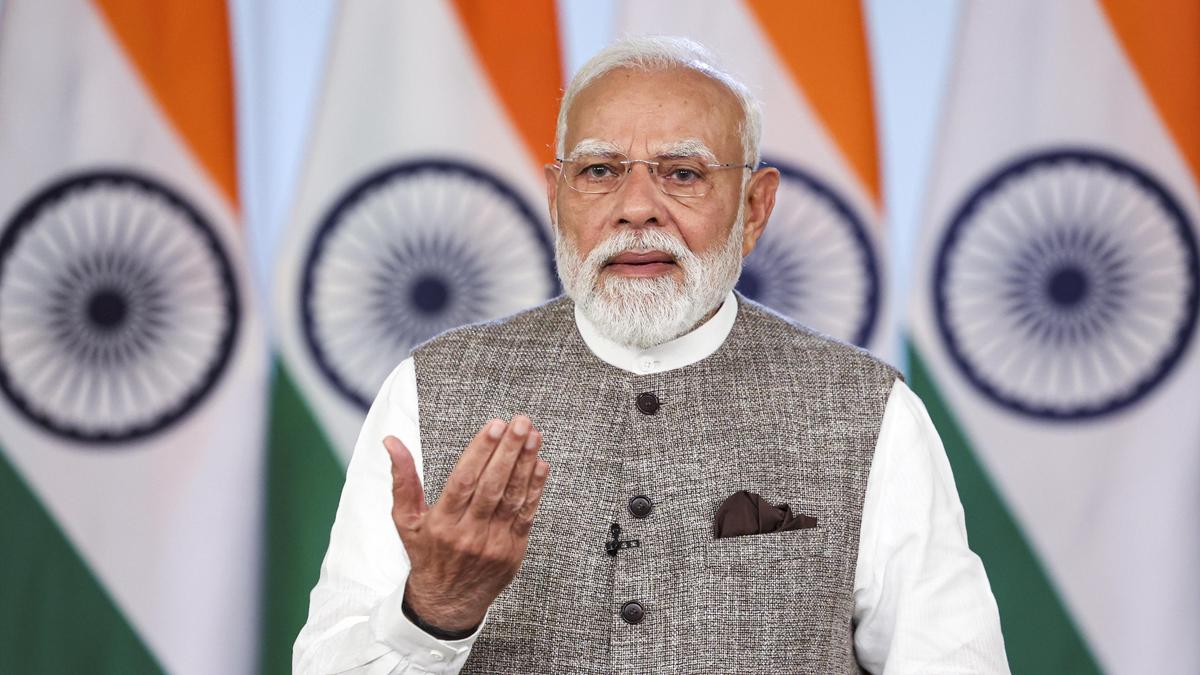
700 Activists Accuse PM Modi of MCC Breach
Over 700 activists allege PM Modi breached election code with a televised address attacking opposition parties just before state elections.

Conflict & Security
Drone Warfare Killing Aid Workers at Unprec
Over 1,000 humanitarian workers killed in three years as cheap armed drones collapse legal protections. Gaza, Sudan, Ukraine, and DRC see deliberate targeting of aid convoys and hospitals with zero prosecutions.