Russia's Kyiv Evacuation Warning Before May 9
Moscow pressures foreign missions amid Victory Day concerns
Model Diplomat2 min readEurope
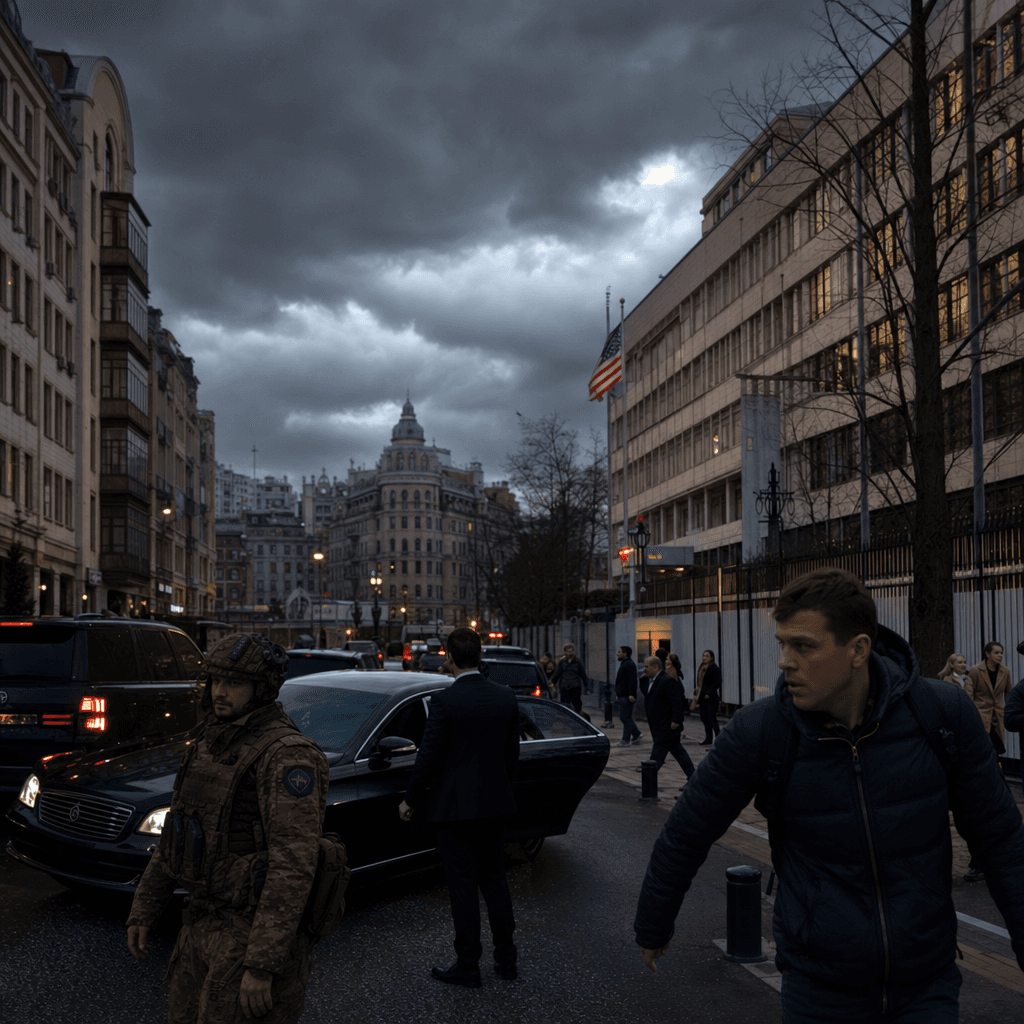
Russia’s Kyiv Evacuation Warning Raises Stakes Before May 9
Moscow is using a strike warning to pressure foreign missions in Kyiv and frame any Ukrainian disruption of Victory Day as a trigger for escalation.
Russia’s Foreign Ministry told diplomatic missions to evacuate staff from Kyiv if Moscow launches a mass strike, with spokeswoman Maria Zakharova saying on Telegram that diplomats should leave because a retaliatory attack on the capital was “inevitable” if Ukraine tried to disrupt Russia’s May 9 Victory Day events (Al Jazeera). That is not a routine security notice. It is a coercive signal: Moscow is telling foreign governments that the political costs of any Ukrainian attack on the holiday will be shared by everyone still in Kyiv.
Moscow is weaponising the holiday calendar
The immediate leverage is psychological, not military. Russia’s warning comes as it prepares for Victory Day, the Kremlin’s most important annual display of military power, and after Ukraine publicly mocked Moscow’s security preparations. Zakharova’s message follows the Russian Defence Ministry’s earlier warning, which she said had been issued in response to Ukrainian comments about disrupting the commemorations (Al Jazeera;
The Globe and Mail).
The point is to narrow Ukraine’s room for manoeuvre before May 9 and to force embassies in Kyiv to think about force protection rather than political signalling. That matters because foreign missions are one of Kyiv’s most visible links to the outside world; even a partial evacuation would hand Moscow a propaganda win by making the capital look more isolated than it is.
Ukraine gains room, Russia gains cover
The warning also sits inside a broader escalation cycle. Russia has already scaled back this year’s Victory Day parade, with the BBC reporting that Moscow blamed a Ukrainian “terrorist threat” and removed heavy military equipment from the procession, a sign that the Kremlin itself is treating the holiday as a live security problem (BBC). At the same time, Ukraine has intensified long-range drone strikes deep inside Russia, which Kyiv says target legitimate military and energy infrastructure (
BBC;
Le Monde).
That leaves both sides with incentives to escalate while claiming restraint. Russia can present any strike on Kyiv as retaliation for Ukrainian “provocation”; Ukraine can use the buildup around Red Square to argue that Moscow is more focused on parade security than on ending the war. In that sense, the diplomatic warning is also domestic messaging: it reinforces the Kremlin line that Russia is under threat and therefore justified in striking back hard.
What to watch next
The next decision point is May 9 itself: whether Ukraine launches any visible attack, whether Russia replies with a mass strike, and whether foreign missions in Kyiv actually reduce staff. If embassies start pulling people out before the parade, Moscow will have succeeded in exporting its security anxiety beyond Russia’s borders. If they stay put and nothing happens, the warning will look like brinkmanship without follow-through. Either way, the holiday has become a test of escalation management, not ceremony.
Discover more

Global Politics
US Seizes Iranian Ship, Tensions Surge
The US seizure of the Iranian ship Touska highlights a shift in control over the Strait of Hormuz, favoring Iran's strategic position.

Conflict & Security
Drone Warfare Killing Aid Workers at Unprec
Over 1,000 humanitarian workers killed in three years as cheap armed drones collapse legal protections. Gaza, Sudan, Ukraine, and DRC see deliberate targeting of aid convoys and hospitals with zero prosecutions.

Global
World Normalises Taliban as Afghan Women Eras
UN data shows Afghan women erased from public life as Russia recognises the Taliban, EU hosts officials in Brussels, and ICC warrants for gender persecution go unenforced.
Conflict & Security
West Africa Food Crisis: Three Shocks in 2026
Conflict, climate extremes, and the Strait of Hormuz closure drive a severe food crisis in West and Central Africa, with fertilizer prices surging 80% and millions displaced.