Russia-Ukraine Truce Ends
Ceasefire collapses as both sides resume hostilities.
Model Diplomat2 min readEurope
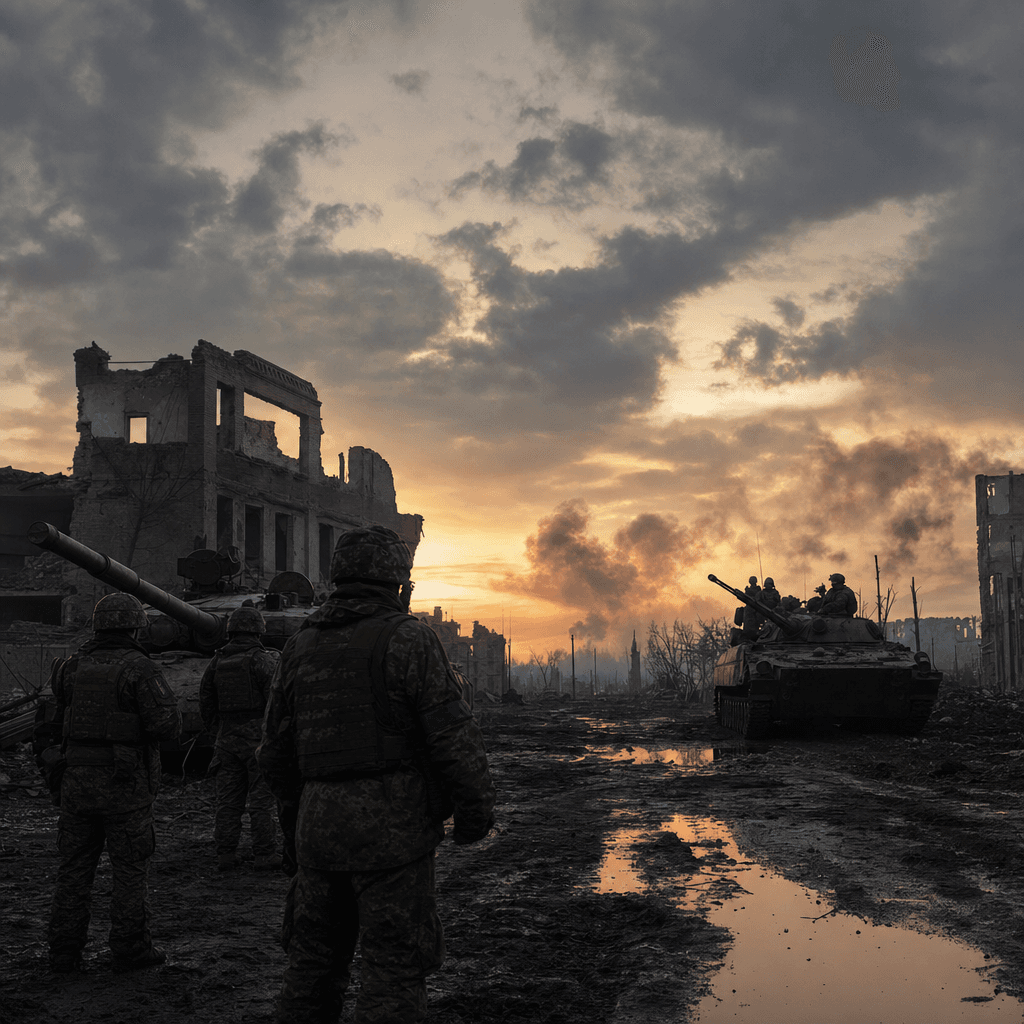
Russia and Ukraine snap truce, reset the leverage game
The short US-backed pause has ended the same way prior truces did: with both sides striking to prove the other is the spoiler, not themselves.
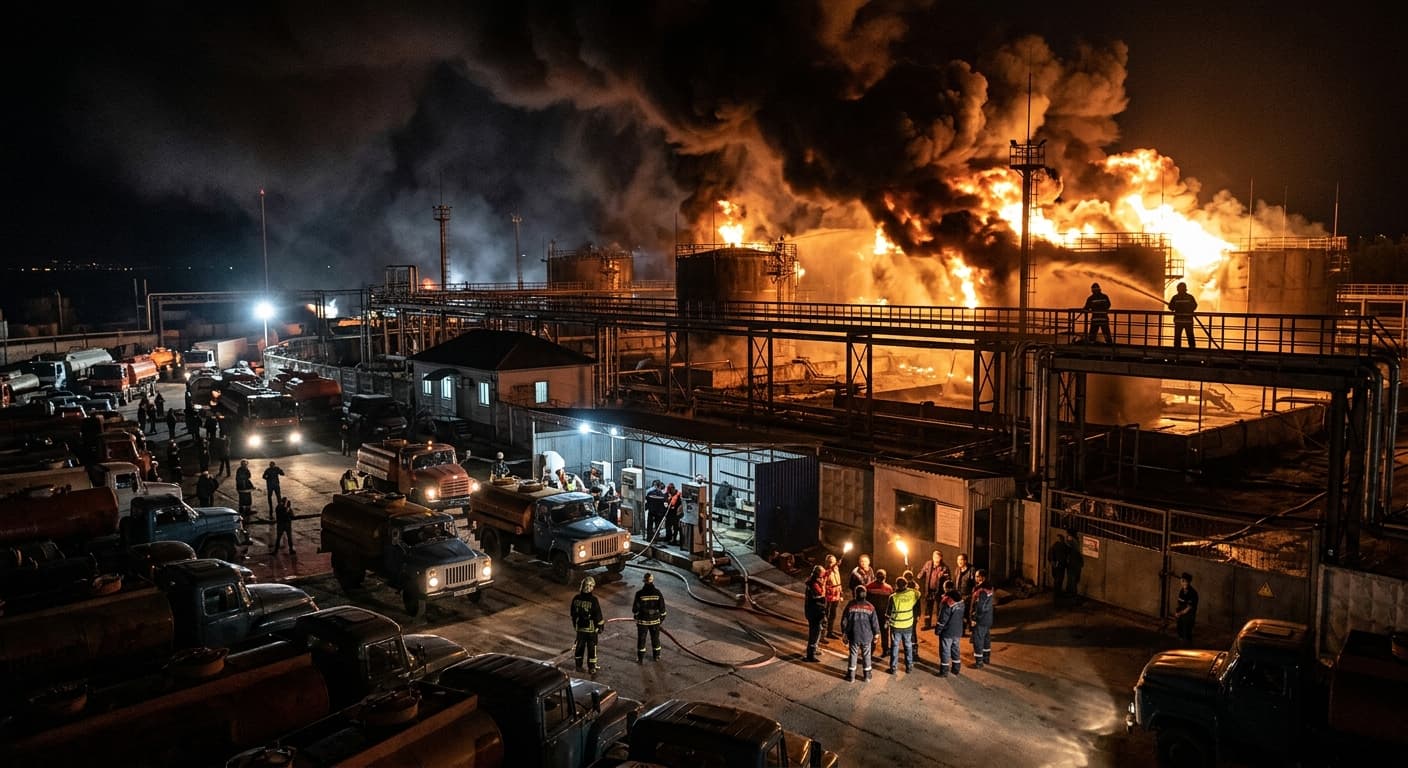
Russia and Ukraine have moved back to force after a brief ceasefire window, with Kyiv saying Russia launched more than 200 drones overnight as the truce expired and Moscow claiming it intercepted Ukrainian drones over Russian regions (Al Jazeera). The immediate message is not that diplomacy failed from lack of language; it failed because neither side wants to enter talks from a position of restraint.
The leverage is still military, not diplomatic
The truce mattered because it exposed the same fault line that has blocked every earlier pause: Ukraine and its European backers want a ceasefire first, then negotiations; Moscow wants talks first, then a possible pause. That sequencing is decisive. A ceasefire freezes the battlefield and gives Kyiv room to argue for security guarantees. Talks without a ceasefire let Russia keep pressure on Ukrainian infrastructure and shape the terms while fighting continues (AP).
That is why Russia’s fresh strikes are more than tactical harassment. They preserve Moscow’s bargaining leverage and reinforce a familiar Kremlin line: any pause has to serve Russia’s wider war aims, not just stop the shooting. Ukraine, for its part, gains politically by showing that it still accepts a 30-day ceasefire proposal and can keep European capitals aligned behind that position (BBC News).
Washington is brokering, but not controlling
The US role matters because it is the only outside actor that can still bridge the gap between Kyiv’s battlefield needs and Moscow’s appetite for delay. But the latest episode shows the limits of mediation when the principals think time favors them. The AP reported that as the truce ended, American and European officials were still trying to channel the war toward new talks, which is another way of saying the diplomacy is following the battlefield, not steering it (AP).
That creates winners and losers. Russia benefits if it can turn “peace talk” headlines into a way of buying operational time. Ukraine benefits if it can keep the West focused on sanctions threats and military aid instead of pushing Kyiv into a premature compromise. Europe benefits politically from appearing united, but only if it can keep Washington inside the same line on sanctions and ceasefire sequencing (BBC News).
What to watch next
The next test is not the overnight strike count. It is whether the ceasefire proposal survives until the next diplomatic checkpoint — especially the expected talks in Istanbul on May 15, and whether Russia shows up ready to discuss a real pause rather than simply extracting another round of delay (AP). If the battlefield pressure keeps rising before then, the talks will be about positioning, not peace — a familiar pattern for
Conflict watchers and a reminder that in this war, negotiations still start with force.
Discover more
Global
Kyiv's Empty Quiver: Ankara Summit on NATO
As Russia strikes Kyiv, NATO's Ankara summit must address Ukraine's urgent air defense needs amid dwindling interceptor supplies.
India
Russia's Balancing Act with India and China
Russia's deepening dependence on China is straining its long-standing strategic partnership with India, exposing the limits of Moscow's balancing act in Asia.
Conflict & Security
Russia Encircles Konstantinovka—Key to Donbas
Russia's encirclement of Konstantinovka could unlock the wider Donbas for further advances, marking a pivotal moment in its grinding eastern offensive.
Conflict & Security
Ukraine's Energy Offensive Hits Crimea
Ukraine's drone campaign is disrupting Russian fuel supplies and forcing rationing in Crimea, turning energy infrastructure into a key front of the war.