Rupee's Slide to 94.90
The rupee's decline reflects external pressures, not local factors.
Model Diplomat2 min readAsia
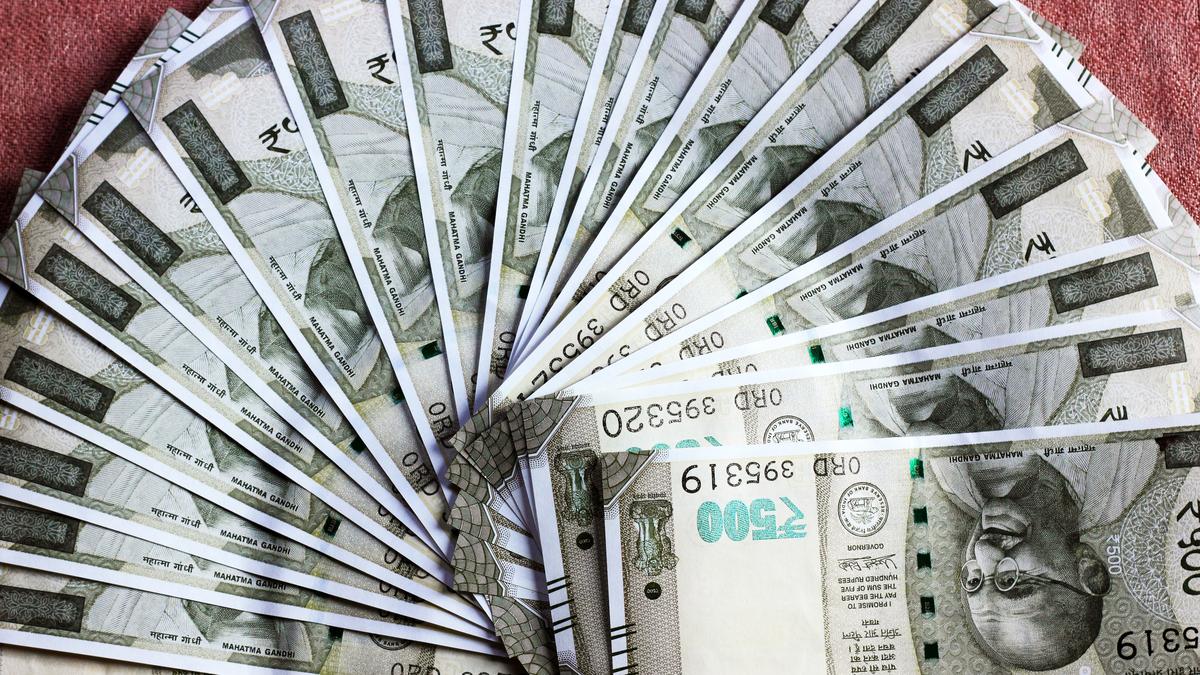
Rupee’s slide to 94.90 shows who still has the upper hand
Oil, a firmer dollar and sustained foreign selling are battering the rupee; the RBI may again be the only buyer willing to absorb the shock.
The rupee’s drop to 94.90 against the U.S. dollar on Monday gave a clean read on the market’s power balance: global risk is driving the currency, not domestic sentiment. The Hindu reported the rupee fell 139 paise in early trade after Donald Trump rejected Iran’s response to a U.S. peace proposal, sending Brent crude sharply higher, while a stronger dollar and heavy FPI outflows added pressure (The Hindu). Reuters, in a separate dispatch, said the rupee opened at 94.88 and traders saw the Indian central bank likely selling dollars to slow the fall (
Reuters via MarketScreener).
The market is trading the oil shock first
The immediate driver is crude. The Hindu said Brent jumped 4.17% to $105.5 a barrel after Trump rejected Tehran’s response, extending the West Asia risk premium that has already pushed the rupee to repeated record and near-record lows this month (The Hindu). That matters because India imports most of its oil: a higher Brent price widens the import bill, raises inflation risk and weakens the balance of payments. For
India, the currency now acts as the transmission belt for a geopolitical shock it does not control.
The other force is external capital. The Hindu reported Foreign Institutional Investors sold ₹4,110.60 crore of equities on Friday, while another report said FPIs had pulled out ₹14,231 crore so far in May and more than ₹2 lakh crore in 2026 to date (The Hindu). That is a brutal combination for the rupee: oil raises dollar demand, and foreign investors are also reducing local-currency exposure.
Who benefits: exporters, importers and the RBI
The immediate beneficiaries are limited. Exporters with dollar revenues get a temporary translation gain, but only if they have not already hedged. Importers, airlines, refiners and companies with foreign-currency debt lose first. Consumers lose next, through fuel and transport costs.
The RBI is the only institution with real capacity to slow the move, and traders are already watching for it. Reuters said the central bank was likely selling dollars around 94.88 to cap the fall (Reuters via MarketScreener). The Hindu also cited a trader saying the RBI was present near 94.70 on Friday, helping the rupee close stronger than feared (
The Hindu). That tells you the central bank is still smoothing volatility, not defending a hard level.
What to watch next
The next decision point is crude. If Brent holds above $100, pressure on the rupee will stay sticky; if it extends toward the highs seen in early May, the RBI will face a harder choice between burning reserves and accepting another leg lower. Watch the next RBI commentary, foreign flow data, and any fresh signal on Iran talks. For now, the currency is pricing a risk premium that domestic fundamentals are not strong enough to offset.
Discover more

International Relations
Pakistan's Key Role in US-Israel-Iran Meddle
Pakistan is seeking to mediate the US-Israel-Iran conflict, balancing high-stakes diplomacy against severe economic pressures and steep regional challenges.

India
India-South Korea $50B Trade Expansion Plan
India and South Korea target $50 billion in bilateral trade by 2030, focusing on industrial cooperation and strategic alignment amid US pressures.

India
Romanian Coalition Party Demands PM Resign
Romania's Social Democrats withdrew from coalition, joining far-right AUR to topple PM Bolojan, risking €10 billion in EU funds by August 2026.

Conflict & Security
Drone Warfare Killing Aid Workers at Unprec
Over 1,000 humanitarian workers killed in three years as cheap armed drones collapse legal protections. Gaza, Sudan, Ukraine, and DRC see deliberate targeting of aid convoys and hospitals with zero prosecutions.