GOP Embraces Trump's Policies, Avoids His St影
GOP strategizes for 2026 midterms by sidelining Trump
Model Diplomat3 min readUnited States

Republicans Run on Trump's Agenda — Without Trump's Face
With gas above $4 and Trump's approval at 35%, GOP candidates are betting they can keep the base while winning back the center.
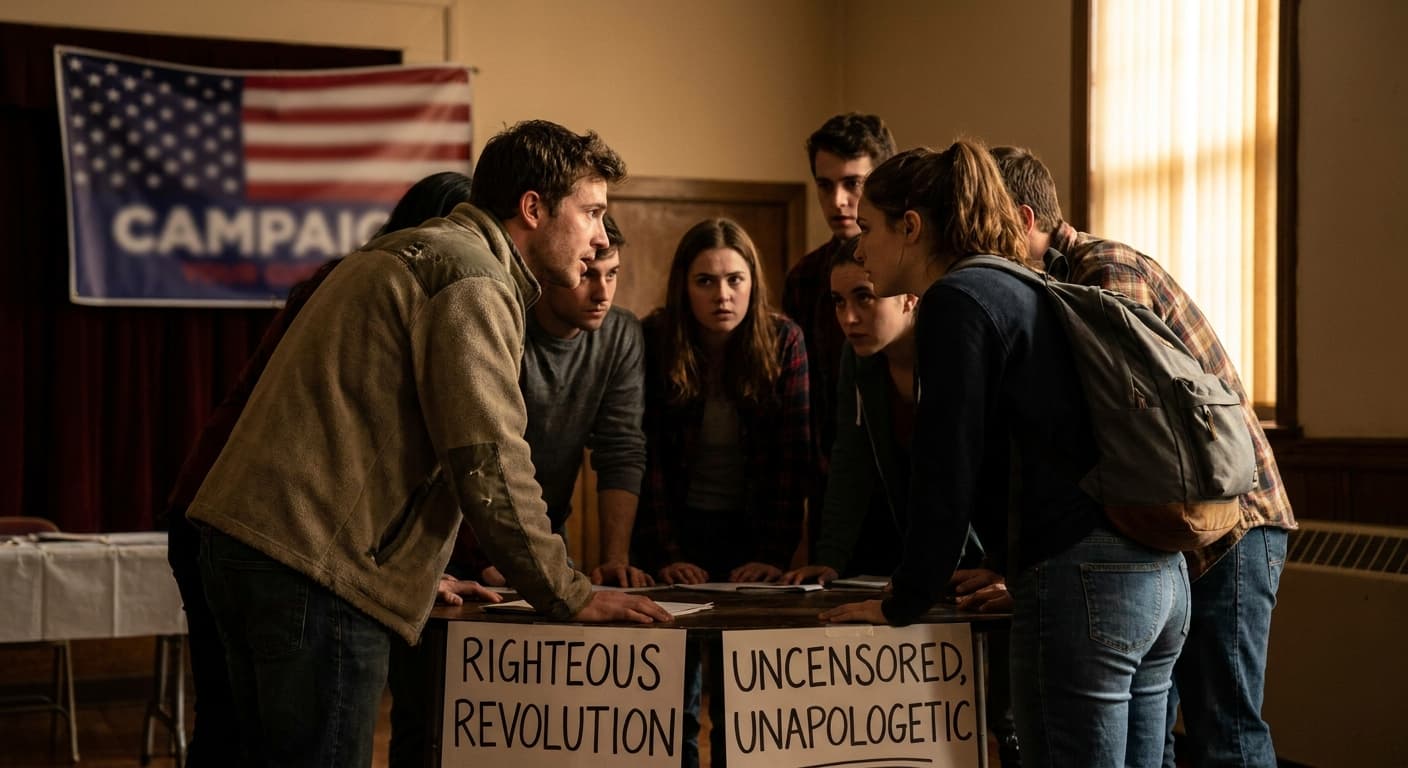
Republicans heading into the 2026 midterms have settled on a calculated gambit: sell the policies, quietly shelve the brand. According to a Reuters exclusive published today, the party is actively retooling its midterm messaging — doubling down on Trump-era economic and immigration positions while steering candidates toward local issues and away from the president himself.
The arithmetic driving this is blunt. A CNN poll from early April puts Trump's approval at 35%, with roughly a quarter of the electorate now viewing both parties unfavorably — and that "double-hater" bloc breaking for Democrats by 31 points. Those are not numbers a down-ballot Republican in a swing district wants anchoring their campaign.
The Iran War Fault Line
The clearest stress fracture is energy costs. Gas prices have climbed above $4 a gallon nationally, directly tied in voter perception to the ongoing U.S. military engagement in Iran. Democrats are already running ads in 44 targeted districts linking Republican incumbents to the war and its cost-of-living blowback. Trump's own primetime address on Iran — promising the conflict would end "in 2–3 weeks" — has not visibly moved his polling, and
The Washington Post reports Trump privately acknowledges a drug-pricing push may not be enough to reverse his midterm headwinds.
The party's strategic response is to localize: emphasize border security wins, energy independence rhetoric, and cost-of-living messaging that sounds Trumpist without requiring Trump at the podium. It's the ideological inheritance play — hold the MAGA base with the substance, chase independents by muting the personality.
Who Benefits, Who Doesn't
The clearest winners of this repositioning are vulnerable Republican incumbents in suburban House districts — the same seats that flipped in 2018 when Trump's first-term drag proved toxic. Candidates like Pennsylvania's Janelle Stelson's Democratic challenger and others in competitive terrain can run on immigration enforcement and energy without the daily volatility that comes with Trump proximity.
The risk is the base. MAGA infrastructure — including Trump's own political operation — has shown it will punish candidates perceived as disloyal. The CNN analysis from March noted genuine ideological fractures opening up inside the caucus over Iran, suggesting the distancing isn't purely cosmetic — some Republicans actually disagree on policy.
The Democrats' counter-framing is straightforward: if you voted for the agenda, you own the results. High gas prices and war costs are the invoice.
What to Watch Next
The late-May filing deadlines in key swing states will reveal whether Trump actively primaries candidates who underperform on loyalty. More telling: whether his political PAC cuts ad spending for incumbents running the "less Trump" playbook. A rally schedule that conspicuously avoids competitive districts would confirm the strategy has tacit White House blessing.
The House majority likely hinges on 18–22 seats currently rated toss-up. How many of those candidates appear onstage with Trump before November is the most concrete signal of whether this repositioning holds.
For deeper context on the shifting US political landscape heading into the fall, the Iran war's economic footprint is the variable neither party fully controls.
Discover more
US Politics
Next Generation Republicans
A leaked survey shows 39% of Republicans under 30 do not identify as MAGA, revealing a split in the GOP's future leadership.
Global Politics
Trump's Conflicting Messages on Iran War
Trump's mixed messages on Iran reflect a strategy of audience management, benefiting Tehran amid a complex geopolitical landscape.

Conflict & Security
Drone Warfare Killing Aid Workers at Unprec
Over 1,000 humanitarian workers killed in three years as cheap armed drones collapse legal protections. Gaza, Sudan, Ukraine, and DRC see deliberate targeting of aid convoys and hospitals with zero prosecutions.

Global
World Normalises Taliban as Afghan Women Eras
UN data shows Afghan women erased from public life as Russia recognises the Taliban, EU hosts officials in Brussels, and ICC warrants for gender persecution go unenforced.