Rahul Gandhi's Stand Against Modi's Nicobar
Congress aims to shift debate on tribal rights and environment
Model Diplomat3 min readAsia
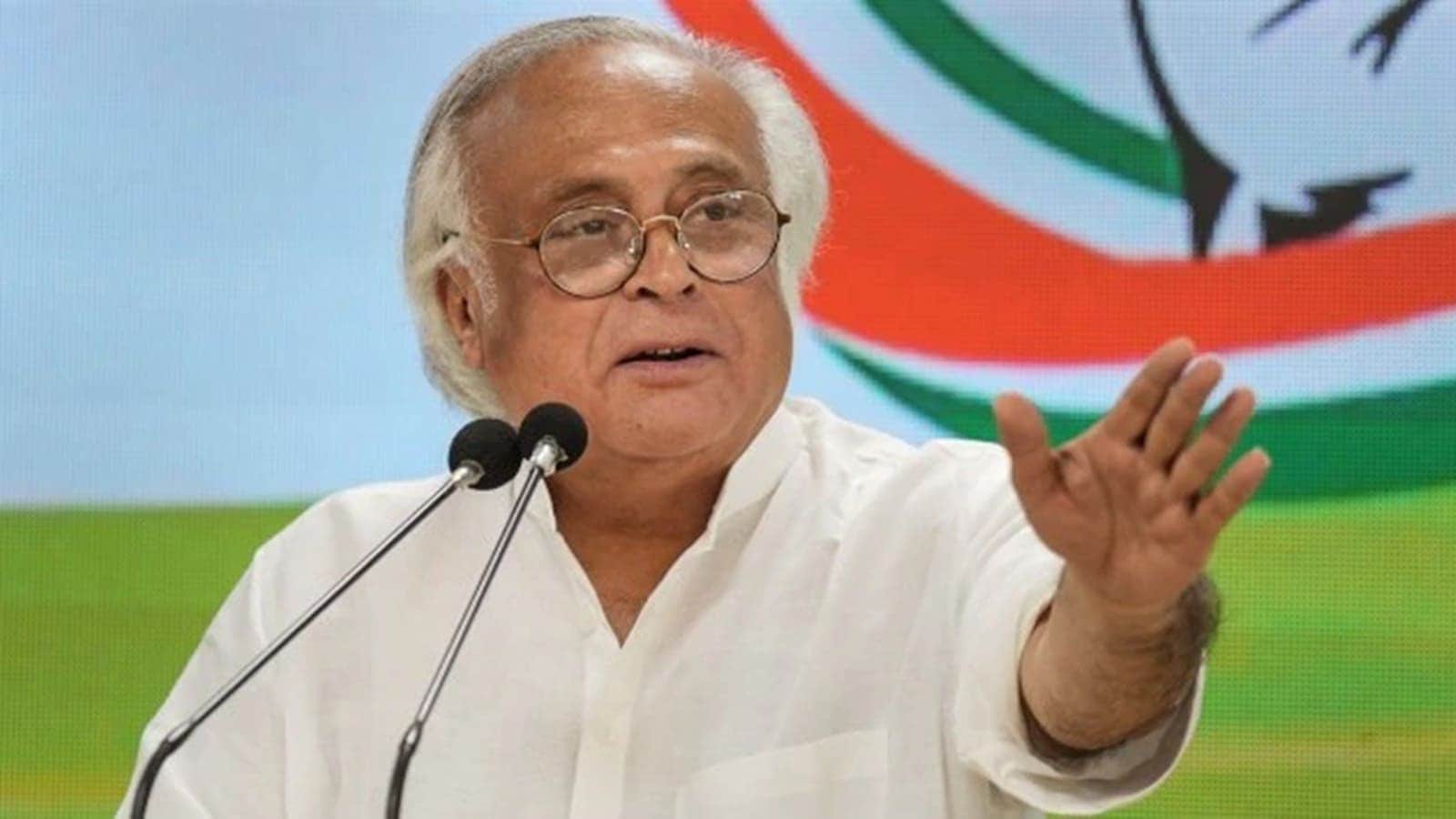
Rahul Gandhi Turns Great Nicobar Into a National Test
Congress is using Rahul Gandhi’s island visit to raise the political cost of Delhi’s Great Nicobar push, but Modi still holds the institutional edge.
The leverage is split: Narendra Modi’s government controls approvals, security framing, and project execution; Rahul Gandhi is trying to move the fight onto political terrain where tribal rights, environmental damage, and consultation can impose a cost on the Centre. After Gandhi’s late-April visit to Great Nicobar — where he met Nicobarese leaders at Campbell Bay and said he had reached the island despite efforts to stop him — Congress said the government had been “rattled” and pushed into “damage control mode.” The Hindu
Indian Express
Why Congress picked this fight
Congress sees an opening because Great Nicobar compresses several vulnerable fronts for the BJP into one case: environmental clearance, indigenous consent, administrative transparency, and centralised decision-making. Gandhi called the project “one of the biggest scams” and “a gravest crime against natural and tribal heritage,” alleging it would require felling millions of trees across roughly 160 sq km of rainforest. The Hindu
The party is now trying to convert a remote-island dispute into a national parliamentary argument. After the visit, Congress called for discussion through a parliamentary forum and said the project needed scrutiny on ecology, tribal rights, transparency, and security. The Hindu That is the political play: shift the debate from “strategic necessity” to “who consented, who pays, and who benefits.”
This matters beyond the islands. The fight sits at the intersection of India politics and wider
international strategy in the eastern Indian Ocean.
Why Modi still holds the stronger hand
Delhi still has the hard power. In February 2026, the National Green Tribunal upheld the project’s environmental clearance, citing its “strategic importance” and directing compliance with conditions rather than stopping the build-out. The Hindu
That is crucial because the project is not marginal. Public plans describe a roughly ₹92,000-crore package including an international container transshipment terminal at Galathea Bay, a greenfield airport, a township, and a 450-MVA power plant; reporting has also said about 130.75 sq km of forest land would be diverted. The Hindu For the Centre, Great Nicobar is both a logistics bet and a strategic outpost near the Malacca Strait. That gives the government a durable national-security argument that is hard for opponents to dislodge.
The Hindu
But the weak point remains consent. Congress has already seized on a draft relocation plan to argue the Centre’s claim that tribals will not be displaced is untenable. The Hindu
What to watch next
The next decision point is Parliament and implementation sequencing. Gandhi has said he will raise the issue in Parliament, and Congress is pushing to force a broader debate. The Hindu Watch three things: whether the government releases more detail on relocation and tribal consultation; whether construction milestones accelerate after the NGT ruling; and whether the BJP keeps the argument on strategic necessity instead of consent. If Delhi cannot answer the displacement question cleanly, Gandhi’s visit will have done what Congress wanted: turn a cleared project into a live political liability.
Discover more
India
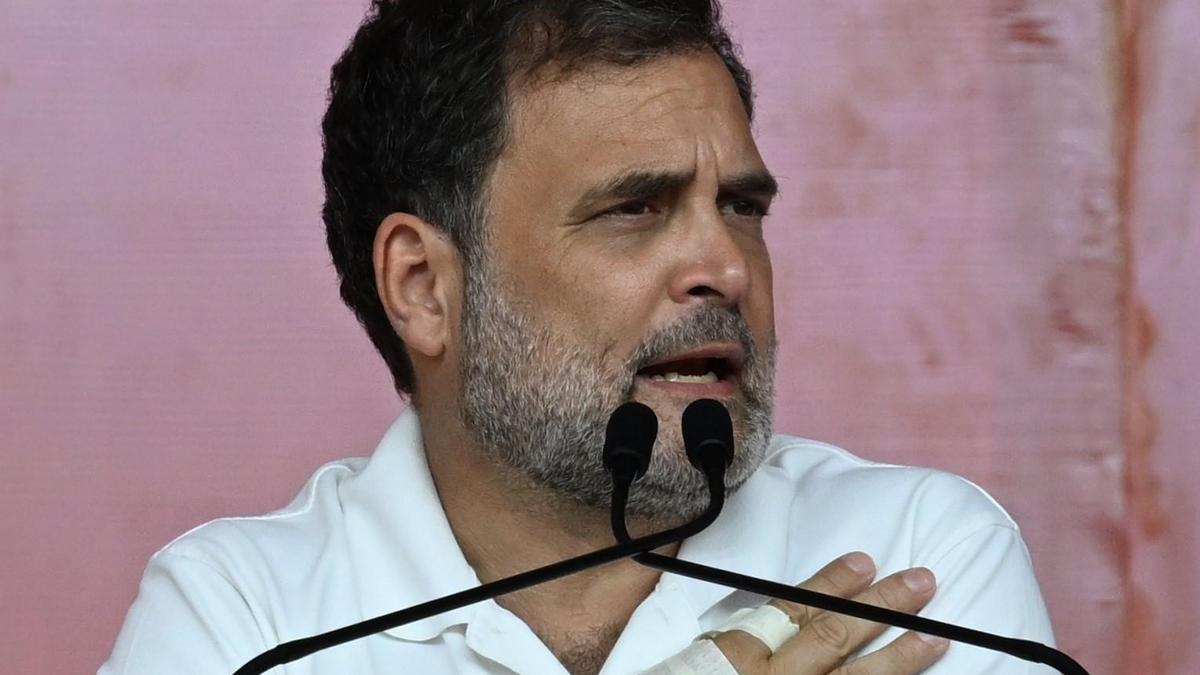
Rajnath Singh's Durga Squad for 2026 Polls
Rajnath Singh's Durga Squad promised women's safety in Bengal but has since disappeared from the agenda, revealing BJP's true priorities.
India
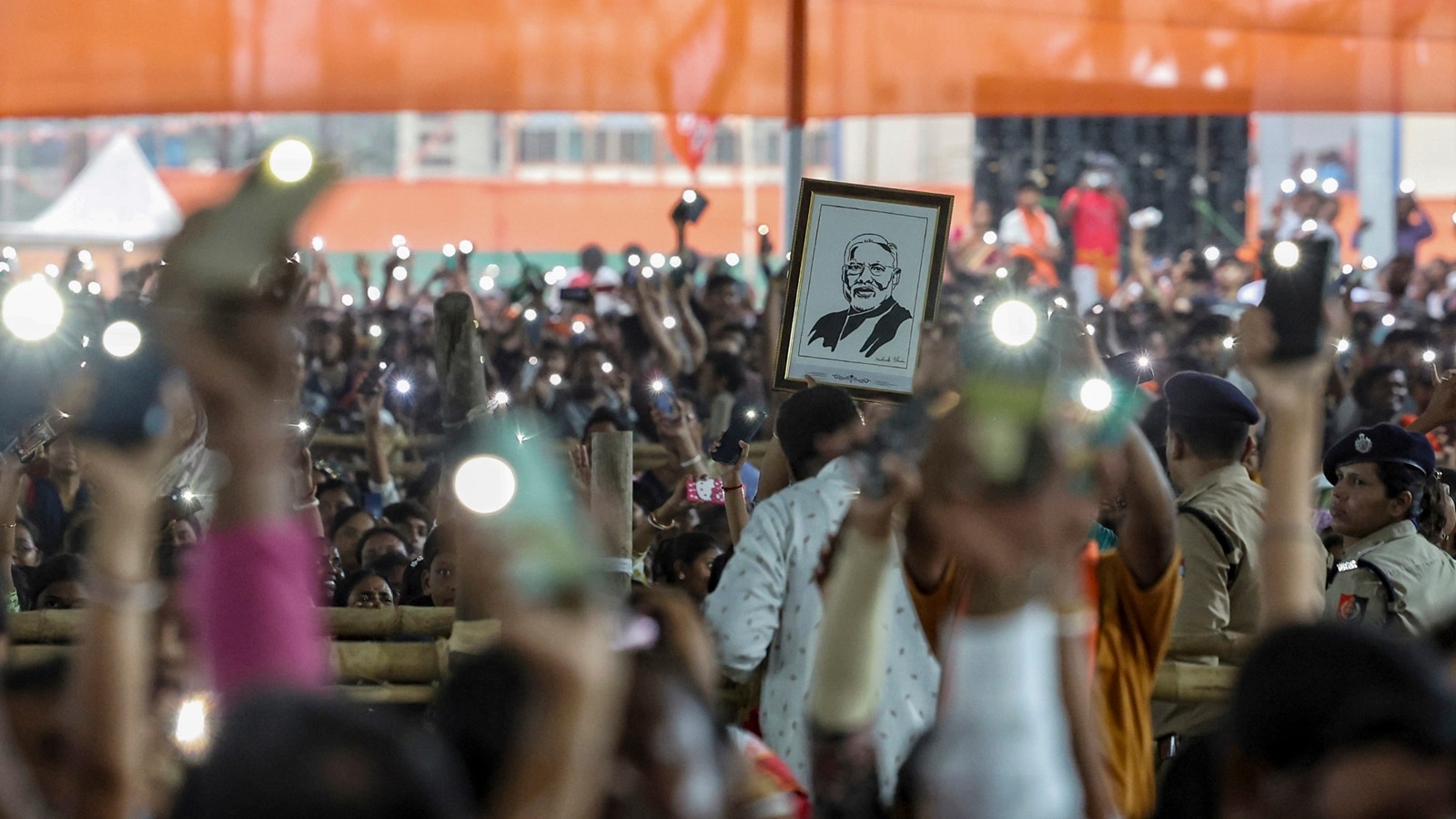
Modi's Women’s Convention in Varanasi
Modi's Varanasi rally frames women's reservation as a national mission, targeting the 2027 Uttar Pradesh elections with a strategic narrative.
India
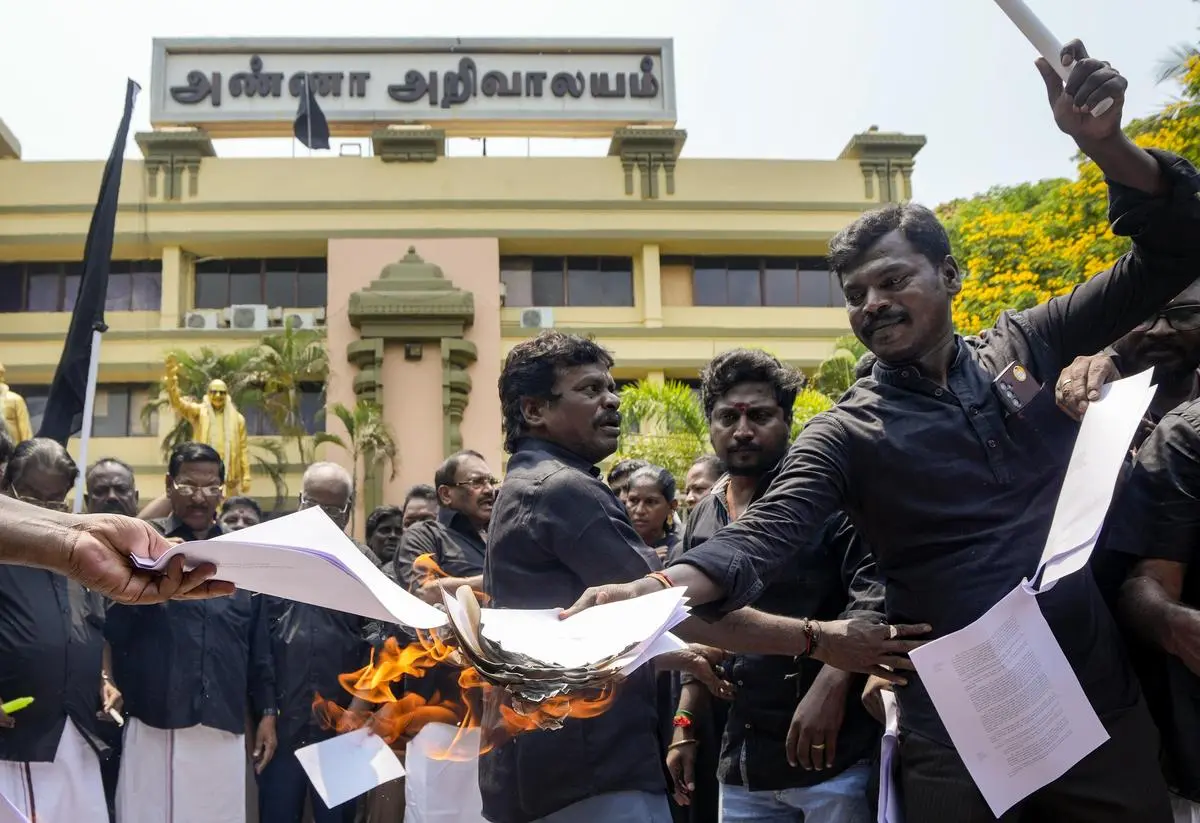
Women’s Reservation Bill 2026
The Constitution (131st Amendment) Bill, 2026 was defeated in Lok Sabha, revealing deeper political conflicts over women's reservation and delimitation.

Conflict & Security
Drone Warfare Killing Aid Workers at Unprec
Over 1,000 humanitarian workers killed in three years as cheap armed drones collapse legal protections. Gaza, Sudan, Ukraine, and DRC see deliberate targeting of aid convoys and hospitals with zero prosecutions.