Punjab BJP Challenges Mann's Blast Allegation
BJP challenges Mann's allegations over recent blasts in Punjab.
Model Diplomat3 min readAsia
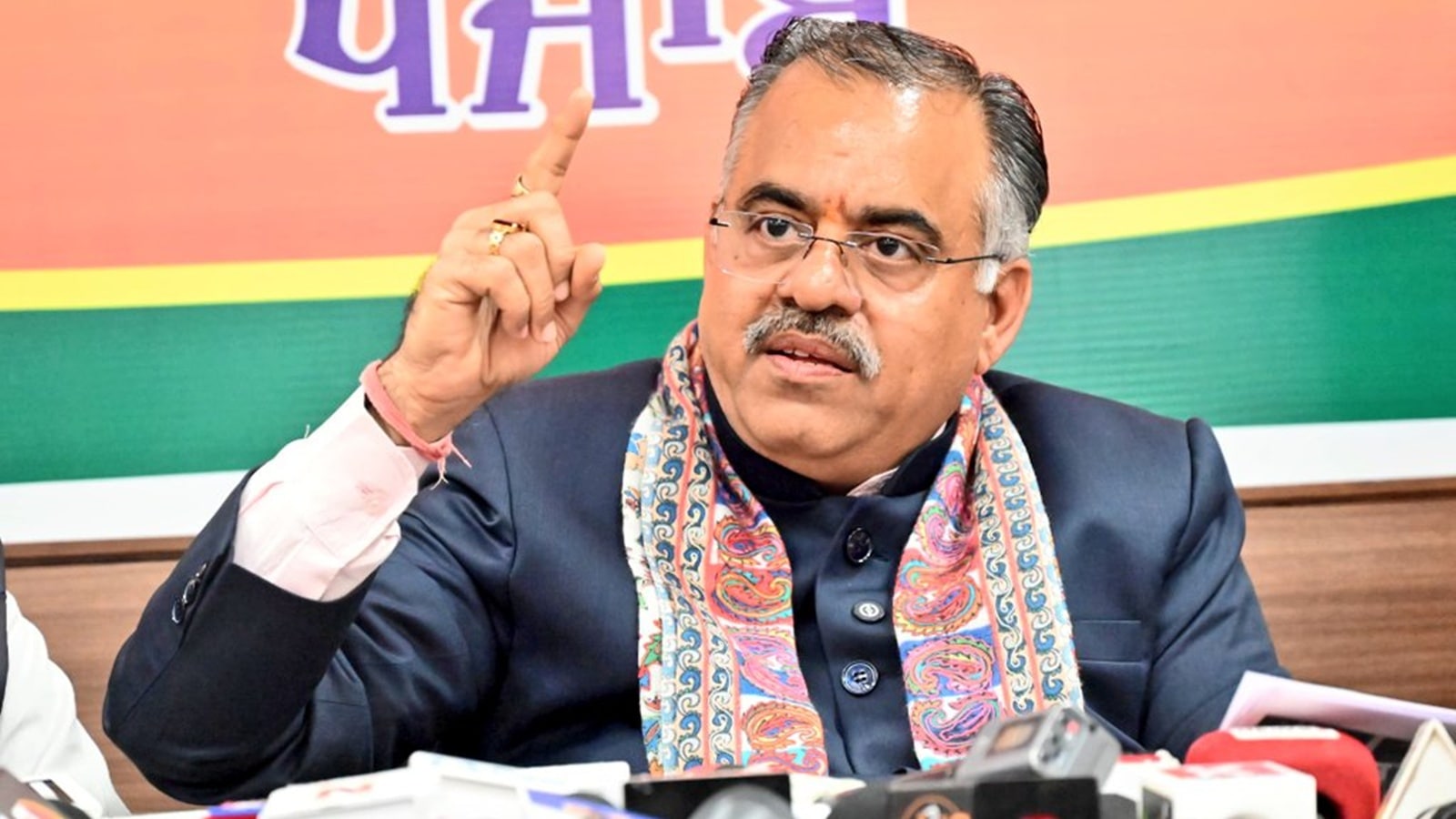
Punjab BJP Turns Mann’s Blast Claim Into Defamation Fight
Bhagwant Mann’s blast allegation has shifted from security scare to credibility test, with the BJP forcing him to either prove it or retract it.
The immediate power move is clear: Tarun Chugh and the BJP are trying to flip the narrative from “law-and-order failure” to “malicious falsehood.” In a legal notice sent through counsel, Chugh demanded that Punjab Chief Minister Bhagwant Mann withdraw his statement and issue a public apology within seven days after Mann alleged that the recent low-intensity blasts in Amritsar and Jalandhar were part of the BJP’s “preparations” for Punjab elections, according to The Indian Express. Union minister Ravneet Singh Bittu then challenged Mann to file a case if he had proof, tightening the pressure on the chief minister.
The BJP has the cleaner tactical position
Mann has handed the BJP a simple legal and political frame: where is the evidence? That matters because the chief minister is also Punjab’s home minister, so any claim he makes about a terror or blast pattern carries institutional weight. Once he named the BJP, the dispute stopped being only about security and became a test of whether the state’s top elected official is making a substantiated accusation or using a blast scare to attack rivals, as The Indian Express reported.
That is why the BJP’s notice is more than a legal formality. It forces Mann into one of two expensive choices: stand by the claim and produce evidence, or back off and absorb the political damage. Either way, the BJP gains leverage by making Mann defend his competence rather than his criticism. For India, that is the core dynamic: the opposition is using the language of defamation to turn a security allegation back on the state government.
Punjab’s security politics make this fight combustible
The broader backdrop is a state already on edge. The Hindu reported a blast outside the Punjab BJP office in Chandigarh on April 1, and later that month
The Hindu quoted Punjab Police saying it had busted an ISI-backed terror module and recovered grenades and pistols. That context makes any blast-related accusation politically combustible: the public already knows there is a real security problem, but the source of that threat remains contested.
That contest is what Mann is exploiting. By implying the BJP is engineering unrest, he is trying to cast himself as the defender of Punjab’s communal unity and the state government’s anti-sacrilege politics. But the cost is that he undercuts his own police and hands rivals a clean line of attack: if the investigation points elsewhere, the chief minister looks reckless. Opposition parties are already using that contradiction to argue that the AAP government is conflating security with politics.
What to watch next
The next decision point is the seven-day deadline in Chugh’s notice. If Mann does not retract or soften his remark, the BJP is likely to press the case as both a defamation issue and an example of AAP’s handling of Punjab’s internal security. If he does walk it back, the BJP will still claim vindication. Either way, the fight now runs through the credibility of the chief minister — not the blast scene.
Discover more
India
BJP Congress Clash Over MP Bill Defeat
The defeat of a Constitution Amendment Bill in Madhya Pradesh sparks a fierce clash between BJP and Congress, highlighting political tensions ahead of 2027 elections.
Global Politics
Iran Demands US Enforce Ceasefire
Iran insists the US must enforce a ceasefire in Lebanon to uphold the MoU.
India
India Takes Vice-Presidency at FATF
India's Vivek Aggarwal becomes FATF vice president, paving the way for future leadership.

Global Politics
Israel's Red Sea Gambit: Why Somaliland
Israel's partnership with Somaliland aims to counter Houthi threats and enhance Red Sea influence.