Iran's Control Over Strait of Hormuz Tested
U.S. seeks to reopen Hormuz amid Iranian threats.
Model Diplomat2 min readMiddle East
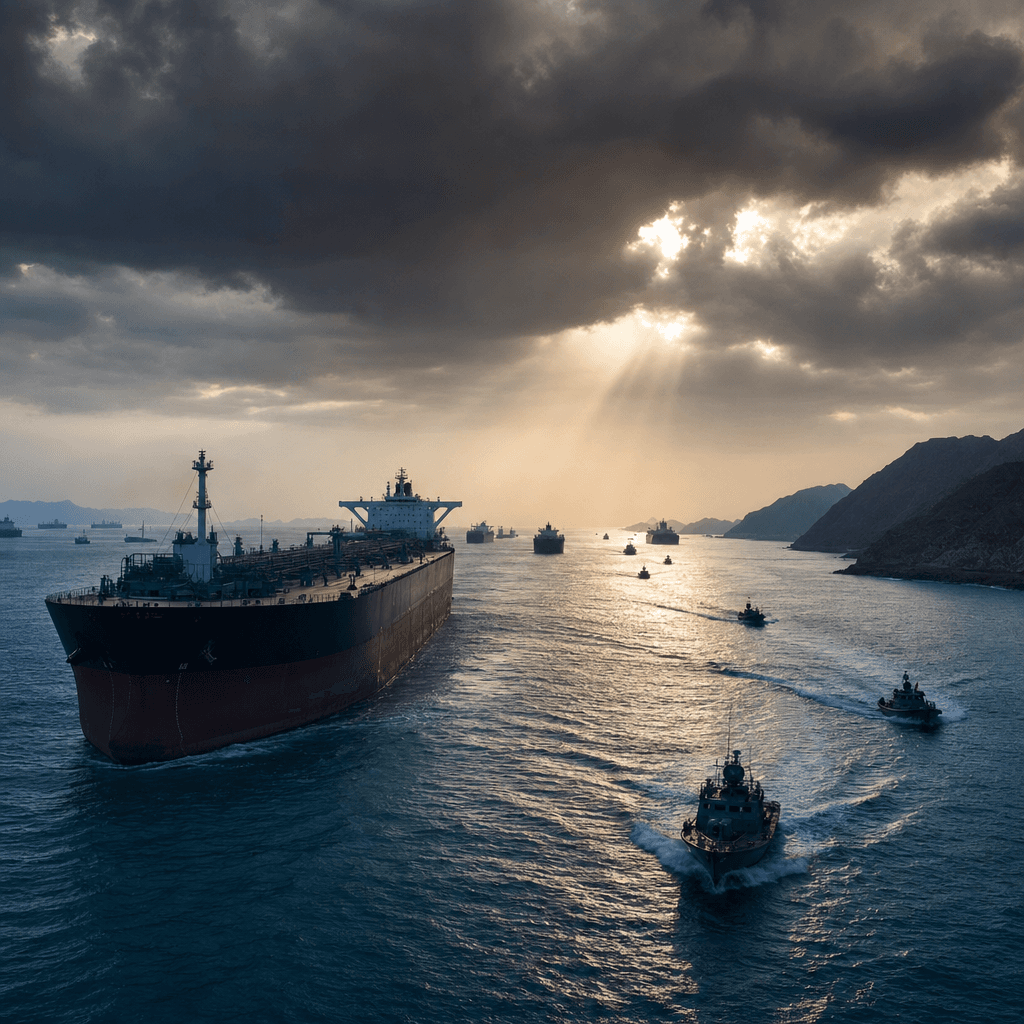
Project Freedom puts Iran’s Hormuz leverage to the test
Washington is trying to reopen Hormuz by force of escort and optics; Tehran still controls the risk calculus for ships, insurers and Gulf exporters.
Iran still holds the decisive leverage because it can make the Strait of Hormuz unusable without holding it physically. CENTCOM says “Project Freedom” has begun to move commercial traffic through the waterway after Iran’s blockade stranded thousands of vessels and pushed crews toward running out of provisions, while the U.S. frames the mission as a humanitarian lane for “neutral” shipping. Al Jazeera
Al Jazeera
Why this matters
Hormuz is not just another chokepoint. It is the narrow exit for around a fifth of global oil and LNG flows, with a shipping lane only about 2 miles wide in each direction at its tightest point. That is why even partial disruption sends price signals fast: traders, insurers and shipowners react to threat, not just damage. Reuters
That makes the U.S. mission less about moving a few tankers than about restoring confidence that passage is possible. Iran understands that. By threatening mines, drones, missiles and fast-attack craft, it does not need to sink dozens of ships to impose costs; it only needs to convince the market that every transit is a gamble. Al Jazeera
Reuters
Who gains, who loses
Washington benefits if it can turn a blockade into a managed corridor without a direct U.S.-Iran shootout. That would strengthen Trump’s claim that the U.S. can protect global commerce while keeping the conflict bounded. But the Red Sea precedent is a warning: convoy operations can suppress, not eliminate, threat, and still leave shipping traffic depressed for months. Reuters
Iran, meanwhile, is using Hormuz to trade maritime chaos for diplomatic leverage. Reuters reported that Tehran’s latest ceasefire proposal links any settlement to lifting sanctions, ending the blockade and withdrawing U.S. forces. That is the real bargaining position: stop the pressure campaign, or accept prolonged market damage. AP
The losers are obvious: Gulf exporters, Asian LNG buyers, shippers and crews stranded in the Gulf. The IMO estimate cited by Al Jazeera — roughly 20,000 seafarers on about 2,000 vessels — shows how quickly a military stand-off becomes a logistics and humanitarian problem. Al Jazeera
What to watch next
The next decision point is whether CENTCOM can open and hold a lane without direct fire on Iranian forces. If the first escorted transits succeed, the U.S. gains momentum; if Iran answers with mines or missile fire, this stops being a shipping mission and becomes a wider naval confrontation. Watch the next CENTCOM update and any Iranian response in the next 24–48 hours, especially as shipowners decide whether the lane is safe enough to use. AP
Conflict
United States
Discover more
Global
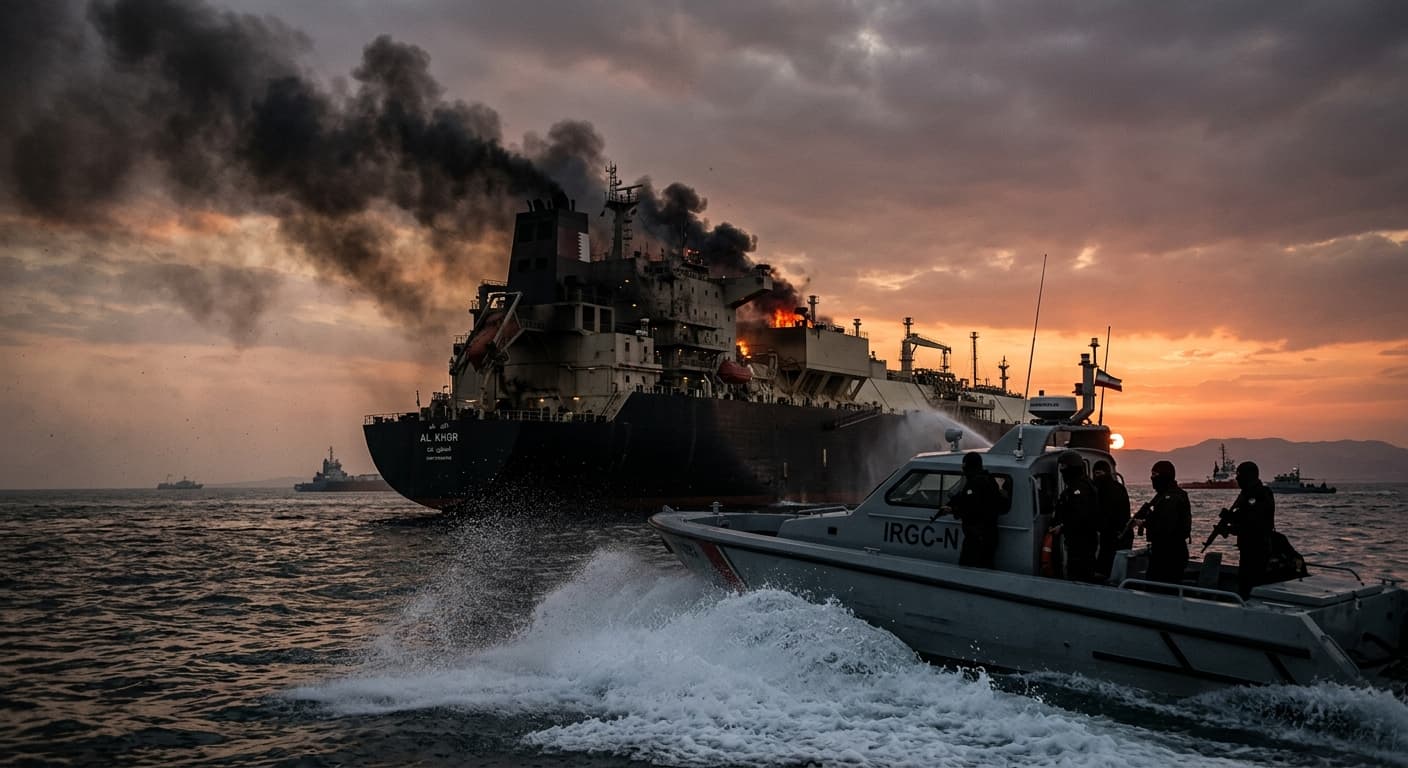
Qatari Tanker Strike Exposes Hormuz Tensions
A Qatari tanker was struck off Oman, revealing the fragility of the Hormuz ceasefire and Iran's influence over maritime security.
Global
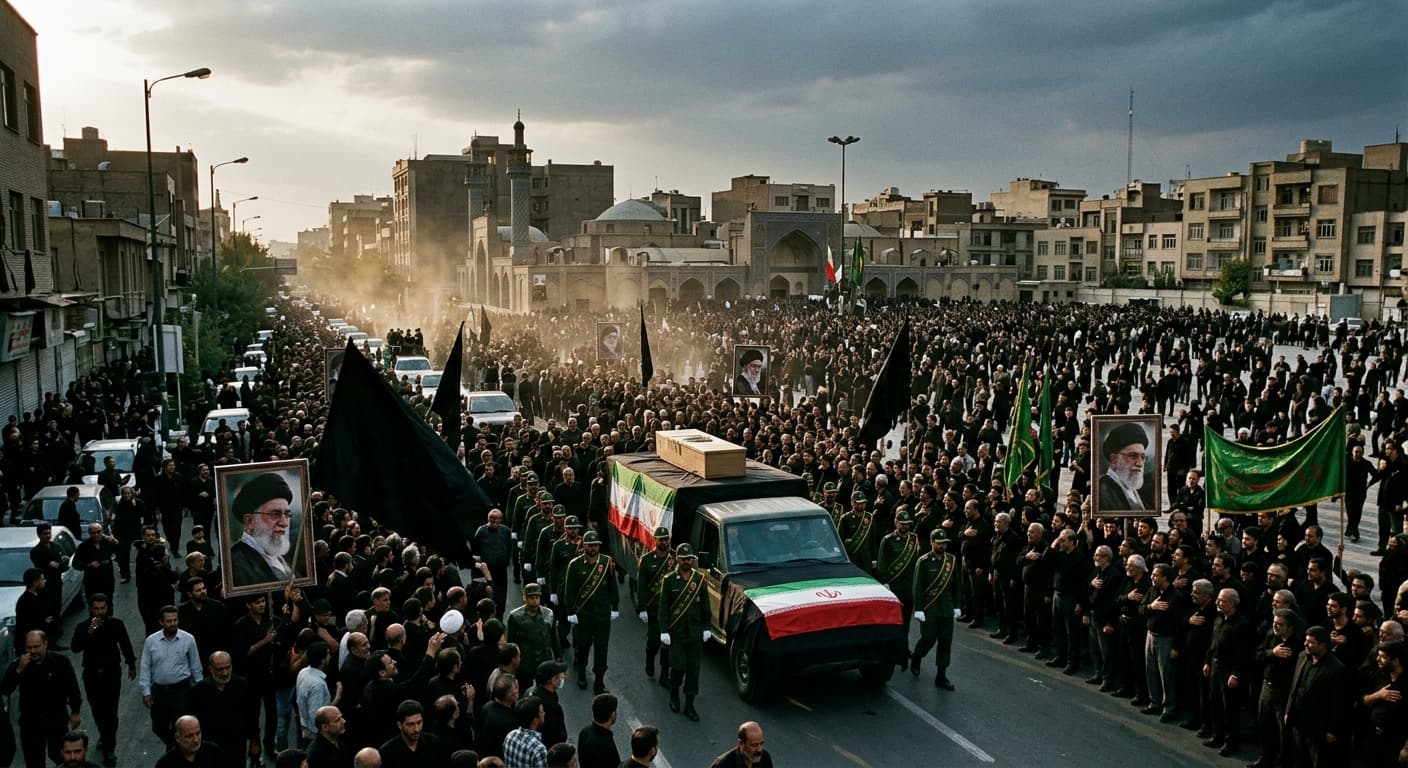
Khamenei's Funeral Signals Iran's Decline
The funeral of Ayatollah Khamenei highlights Iran's diminished influence in the Gulf, with regional powers now dictating terms.
Global
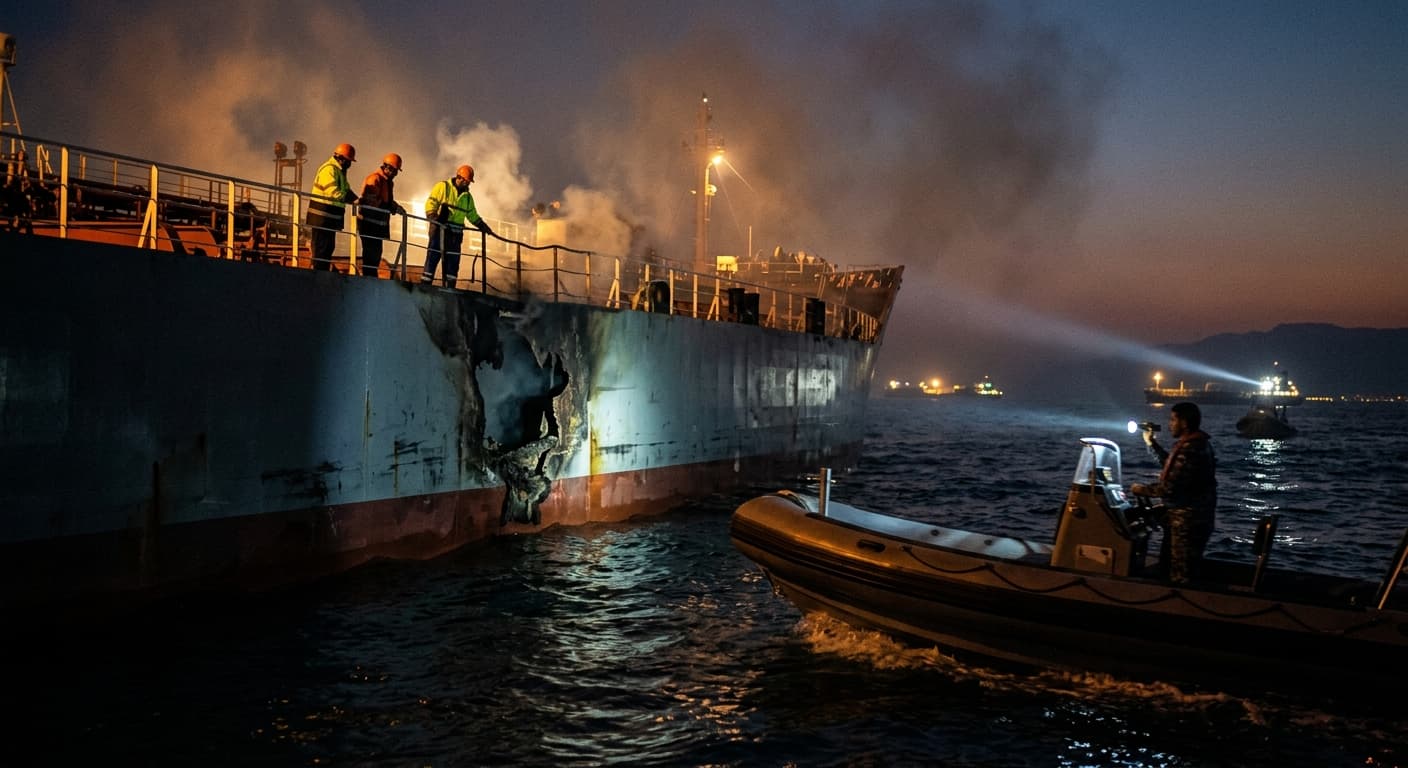
Iran's Hormuz Missile Strikes: A Toll Booth
Iran's missile attack on a Qatari-linked tanker highlights Tehran's strategy to control the Strait of Hormuz, impacting Gulf states and maritime law.

Tech Policy
Iran's Cavern Manticore Targets Israel's IT
Cavern Manticore, an Iran-linked hacking group, targets Israeli IT vendors, prompting a shift in Israel's cybersecurity policy and legislative efforts.