Pentagon Wind Delays
How the Pentagon's review process impacts wind projects.
Model Diplomat3 min readNorth America

Pentagon Wind Delays Give Trump a New Choke Point
By slowing reviews of 165 private-land wind projects, the White House turns a routine security screen into a powerful bottleneck for new U.S. power supply.
The Trump administration is using the Pentagon’s review process to slow 165 onshore wind projects, all on private land, according to the American Clean Power Association, turning a standard national-security check into a de facto permitting veto (CNN,
E&E News by POLITICO). The Pentagon says it is still evaluating land-based wind projects to ensure they do not impair military operations or national security, but industry says the process has “ground to a halt” in recent months (
E&E News by POLITICO).
The leverage point
The key power dynamic is simple: wind developers need a federal signoff that used to be routine, while the Pentagon can delay without issuing a formal ban. Large wind farms are typically reviewed by the Defense Department — often alongside the FAA — to make sure turbines do not interfere with radar or flight paths (CNN). That gives the administration a low-visibility way to slow projects that otherwise sit on private land and are not part of the bigger federal-land permitting fight.
Jason Grumet, the CEO of the clean power trade group, says the reviews are being used to obstruct projects “with no nexus to the rest of the federal permitting process” (E&E News by POLITICO). In practice, that means the Pentagon is no longer just screening for military conflicts; it is becoming a gatekeeper for domestic energy buildout in a sector the president dislikes.
Why it matters
This is not an isolated move. The administration has already used national-security arguments to stall offshore wind, and it has paid nearly $2 billion to get out of some offshore leases rather than see them built (CNN). A federal judge in Massachusetts also struck down several Trump actions that had slowed clean-energy development, including a requirement that Interior Secretary Doug Burgum personally approve wind and solar projects on federal lands and waters (
The Washington Post).
That matters because wind is one of the fastest ways to add new generation in the U.S. grid. If the administration can keep even private-land projects in limbo, it pressures developers, raises financing risk, and slows capacity additions at exactly the moment utilities are looking for quick power to meet rising demand. For United States energy policy, this is less about turbines than about control: who gets to decide what counts as a security risk, and how long that review can be stretched.
The political upside is clear. Trump satisfies an anti-wind constituency inside his coalition and gives the Pentagon cover to slow a technology he has long opposed. The losers are wind developers, lenders, and states that want new generation without waiting years for a transmission-heavy buildout. The broader signal is that the administration is willing to use national security as a flexible permitting weapon, not a narrow exception.
What to watch next
The next decision point is whether the Pentagon starts issuing actual approvals or denials — or keeps projects suspended in review. Watch for developer lawsuits, especially if delays drag on without formal decisions. Also watch whether courts extend the offshore-wind precedent to this onshore, private-land fight. If they do, the administration’s leverage narrows fast; if they do not, the Pentagon becomes one of the most effective choke points in US Politics.
Discover more
Global Politics
Trump's Conflicting Messages on Iran War
Trump's contradictory statements on the Iran war raise strategic uncertainty, complicating US policy and regional dynamics.
Global Politics
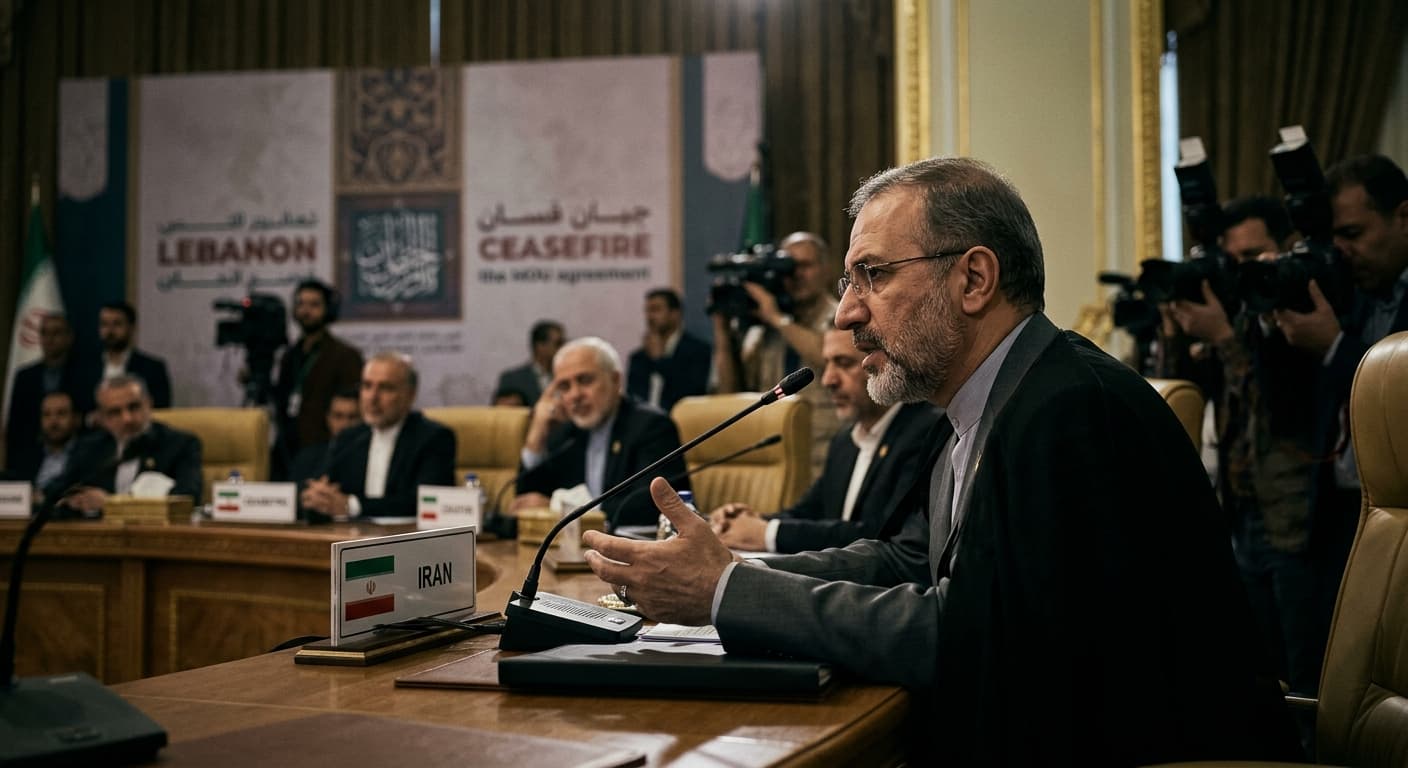
Iran Demands US Enforce Ceasefire
Iran insists the US must enforce a ceasefire in Lebanon to uphold the MoU.

India
India Takes Vice-Presidency at FATF
India's Vivek Aggarwal becomes FATF vice president, paving the way for future leadership.

Global Politics
Israel's Red Sea Gambit: Why Somaliland
Israel's partnership with Somaliland aims to counter Houthi threats and enhance Red Sea influence.