Pakistan's Role in US-Iran Deal Explained
Pakistan's role in US-Iran negotiations could reshape diplomacy.
Model Diplomat3 min readAsia
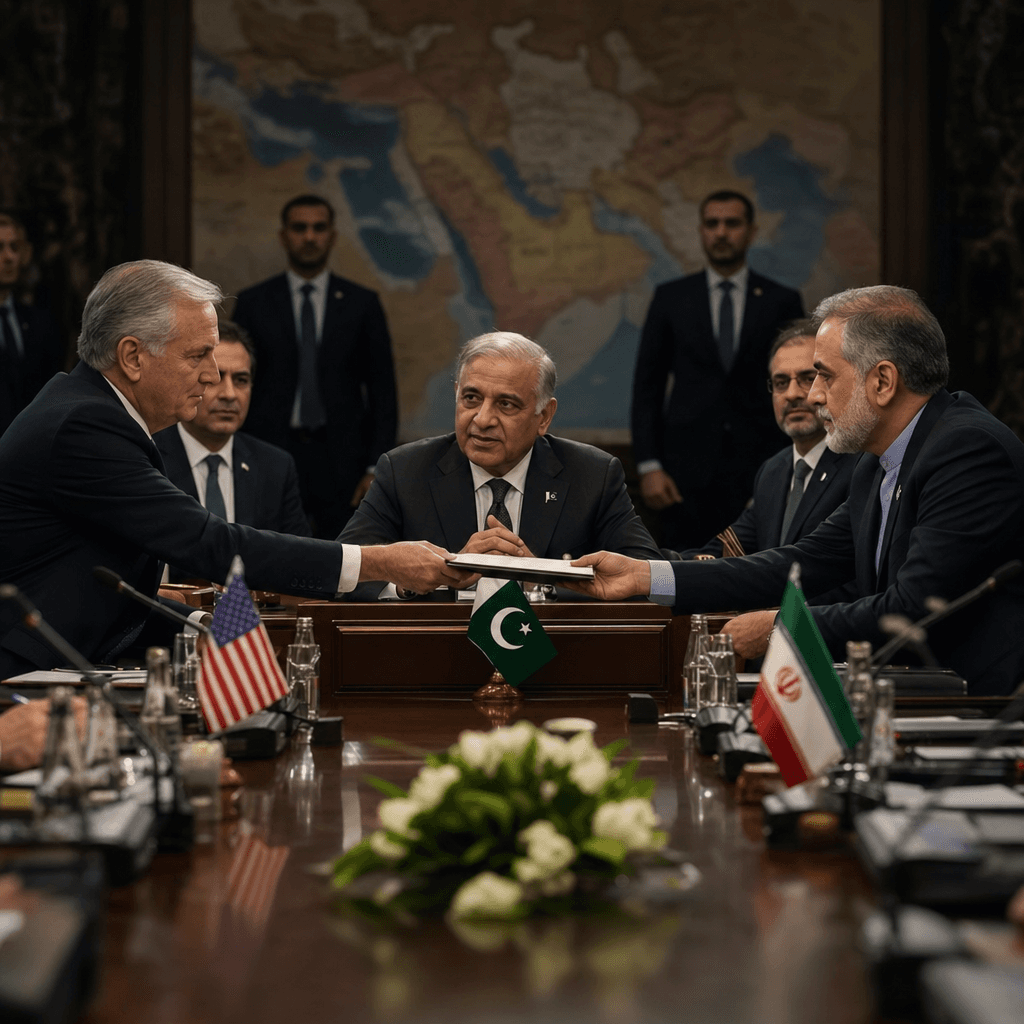
Pakistan Brokers a US-Iran Deal — and Gains Leverage
Pakistan is turning a war-brokering role into leverage as Washington and Tehran test a ceasefire-for-sanctions tradeoff.
Pakistan now sits on the choke point of the diplomacy. Reuters says Pakistani intermediaries believe the U.S. and Iran are close to a memorandum that would start with a 30-day negotiation phase, ease maritime restrictions in the Strait of Hormuz, and pair an Iranian uranium-enrichment moratorium with U.S. sanctions relief and the release of frozen funds. Reuters
Why Pakistan matters
This is not just shuttle diplomacy. It is a bid to convert Pakistan’s access to both sides into strategic weight. Reuters reported last month that Pakistan hosted the conflict’s only peace talks and has continued ferrying proposals between Washington and Tehran, with army chief Asim Munir emerging as the key channel to U.S. Vice President JD Vance and envoy Steve Witkoff. Reuters That is the real power dynamic: Pakistan holds the line of communication, while the U.S. wants a way to stop shipping disruption without an open-ended military commitment, and Iran wants relief without surrendering leverage first. For background on the regional spillover, see
Global Politics.
The package Reuters described also shows how narrow the bargain is. The Strait of Hormuz matters because it is the world’s most sensitive energy bottleneck; any deal that touches ship passage immediately affects oil markets, Gulf security, and U.S. force posture. Reuters reported in April that Iran floated allowing ships to exit safely via the Omani side of the strait as a gesture in talks, while keeping the dispute over control and sovereignty intact. Reuters That means the current talks are less about a grand settlement than about sequencing: freeze the shooting, reopen the waterway, then negotiate the rest.
Who benefits — and who risks being trapped
The immediate beneficiaries are Pakistan’s military establishment and, if a deal sticks, global shippers and energy consumers. Pakistan gains diplomatic relevance at a time when its economy is weak and its external security file is crowded. Reuters has already called this a “remarkable makeover” for a country that was an outcast a year ago. Reuters
But the risk sits with Islamabad as much as with Tehran. The more Pakistan becomes the indispensable conduit, the more exposed it becomes if talks fail or if either side blames the mediator for moving too slowly. Iran, for its part, still has the stronger veto: Reuters has reported that Tehran has not fully committed and wants guarantees against renewed U.S. or Israeli strikes. Reuters That makes the “near deal” politically useful but not yet durable.
What to watch next
The next decision point is Tehran’s response window and whether the reported memorandum becomes a formal ceasefire track. If Iran accepts, the immediate test will be whether shipping in Hormuz normalizes fast enough to satisfy markets and whether U.S. sanctions relief follows on schedule. If it hesitates, Pakistan’s mediation role becomes a liability rather than an asset. Watch the next 48 hours, and then the first signal on whether Washington is willing to trade maritime de-escalation for a temporary nuclear freeze.
Discover more

International Relations
Pakistan's Key Role in US-Israel-Iran Meddle
Pakistan is seeking to mediate the US-Israel-Iran conflict, balancing high-stakes diplomacy against severe economic pressures and steep regional challenges.

Conflict & Security
Drone Warfare Killing Aid Workers at Unprec
Over 1,000 humanitarian workers killed in three years as cheap armed drones collapse legal protections. Gaza, Sudan, Ukraine, and DRC see deliberate targeting of aid convoys and hospitals with zero prosecutions.

Global
World Normalises Taliban as Afghan Women Eras
UN data shows Afghan women erased from public life as Russia recognises the Taliban, EU hosts officials in Brussels, and ICC warrants for gender persecution go unenforced.
Conflict & Security
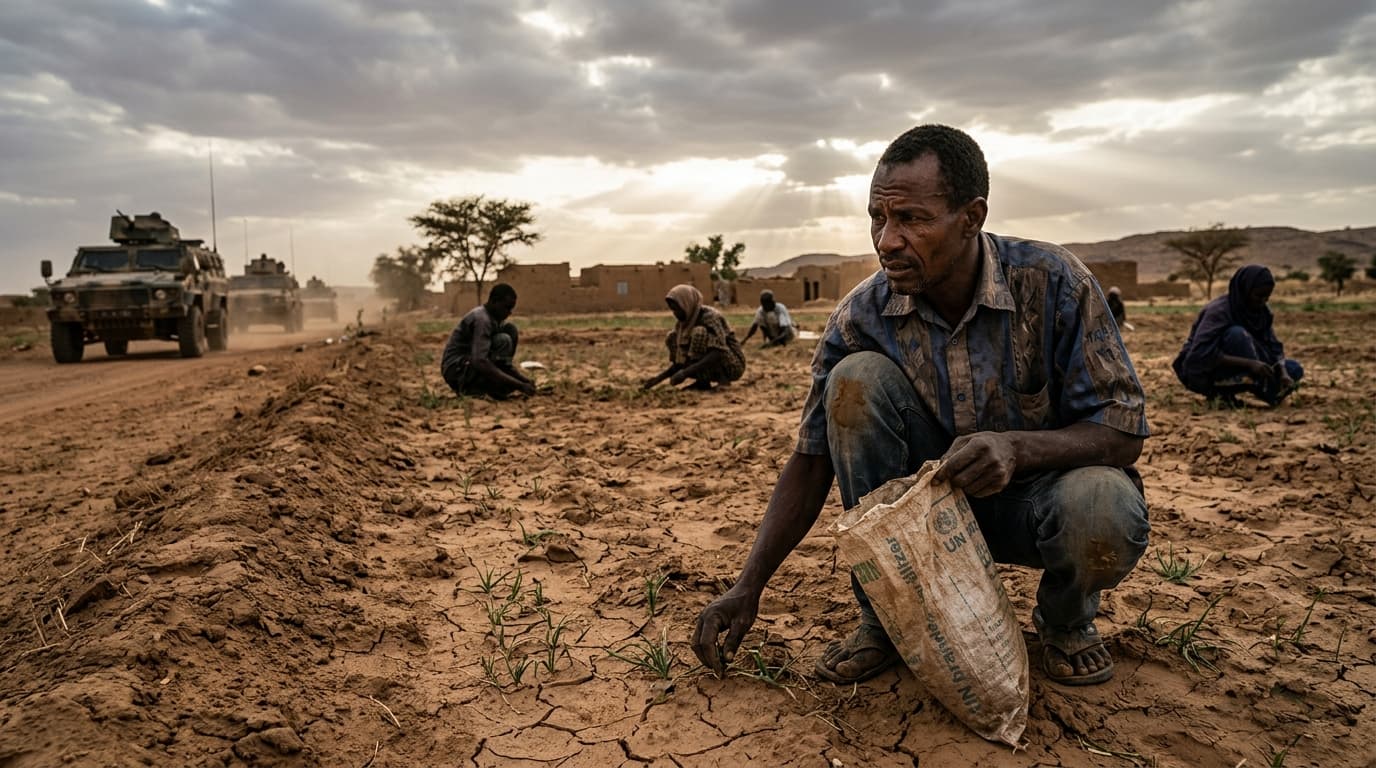
West Africa Food Crisis: Three Shocks in 2026
Conflict, climate extremes, and the Strait of Hormuz closure drive a severe food crisis in West and Central Africa, with fertilizer prices surging 80% and millions displaced.