Péter Magyar's Victory
Hungary's political shift with Péter Magyar's election win
Model Diplomat3 min readCentral Europe

Hungary's Péter Magyar Victory Ends Orbán's 16-Year Rule: What It Means for Europe
Péter Magyar’s surprise win in Hungary signals a fundamental political shift after Viktor Orbán’s long-standing dominance, potentially reshaping Central Europe.
Hungary has just witnessed a seismic political development: Péter Magyar’s election victory marks the end of Viktor Orbán’s 16-year tenure as prime minister. Orbán’s Fidesz party has dominated Hungarian politics since 2010, famously implementing nationalist, illiberal policies that strained ties with the European Union. Magyar’s rise not only disrupts a long-standing political order but also could recalibrate Central Europe's role in European affairs.
Breaking Orbán’s Grip: A New Chapter for Hungary
Orbán’s rule was defined by his aggressive centralization of power, curbing judicial independence, reshaping the media landscape, and adopting a confrontational stance toward Brussels. His “illiberal democracy” vision inspired right-wing populists across Europe and pushed Hungary to the forefront of EU debates on rule of law and migration.
Péter Magyar, by contrast, represents a coalition effort by Hungary’s fragmented opposition to break Fidesz’s control. The coalition overcame significant obstacles to unite under a common candidate, signaling a new strategy in Hungarian politics that prioritizes broad consensus over factionalism.
Magyar's victory may reverse some of Orbán’s most controversial policies, especially those clashing with EU norms, potentially reopening dialogue with Brussels. This marks not just a domestic change but a potential pivot back toward EU mainstream political alignment for Hungary.
Why This Matters for Europe and Central Europe
Orbán’s Hungary was a key lynchpin for the Visegrád Group’s bloc within the EU, often blocking common EU measures on migration, climate policy, and judicial reforms. Magyar’s government could signal a move toward greater cooperation within the EU and a dilution of the nationalist, Eurosceptic bloc spearheaded by Warsaw and Budapest.
Central Europe risks being a key battleground over the EU’s future political character — illiberal nationalism versus deeper integration. Hungary’s new leadership could influence neighboring Slovakia, the Czech Republic, and Poland, where similar tensions simmer.
This political realignment also impacts Germany and France, EU’s two heavyweight countries, who have repeatedly clashed with Orbán’s government over rule-of-law compliance. A more cooperative Hungary might ease fractious EU summit dynamics and bolster cohesion on economic and security policy.
What to Watch Next
- Policy Shift Under Magyar: Will Hungary roll back Orbán-era laws on media freedom, judiciary independence, and civil society? Early legislative sessions will provide clues.
- EU-Hungary Relations: Brussels’ response to Magyar’s government — especially on €25 billion in EU recovery funds withheld under Orbán — will test how durable new Hungarian-EU ties become.
- Regional Ripple Effects: Watch Poland’s ruling Law and Justice party and Slovakia’s direction; Magyar’s coalition model might inspire opposition movements in these countries.
- Internal Stability: Orbán’s Fidesz remains influential and may mount pushback, potentially destabilizing a fragile new coalition.
Hungary is at the crossroads of a potential political rebirth or retrenchment. Magyar’s win disrupts the status quo in Central Europe and raises the possibility of a Europe more united on democratic standards and integration. But the entrenched political battles that defined Orbán’s era won’t vanish overnight.
For a deeper look at how this fits into broader European trends and Hungary’s political landscape, explore our Europe and
Hungary profiles.
Discover more
India
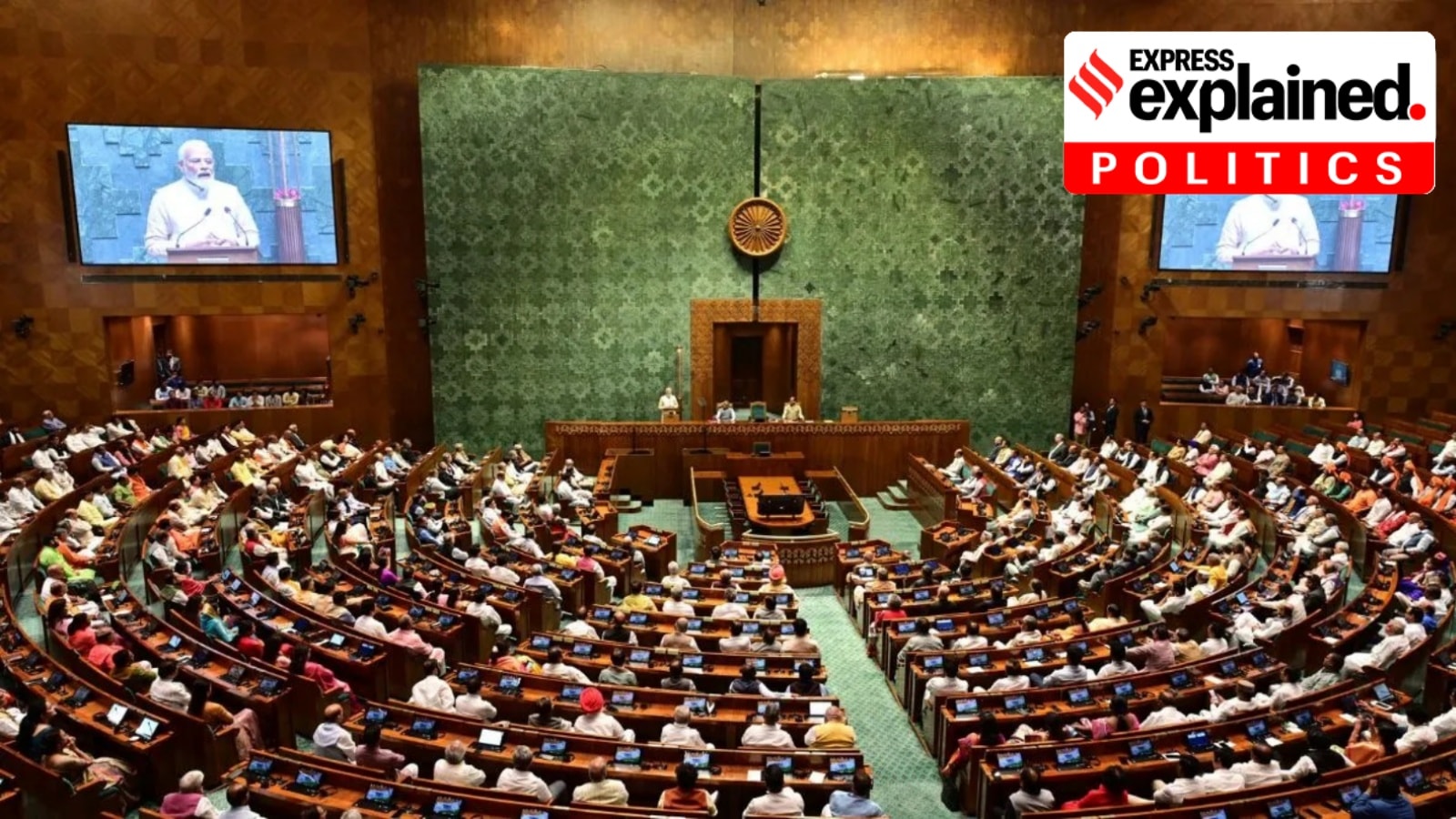
India's Women’s Reservation Bill Reshapes Pol
India's new bills pair a 33% women's reservation with sweeping delimitation, reshaping Lok Sabha representation and reviving the north-south political divide.

Conflict & Security
Drone Warfare Killing Aid Workers at Unprec
Over 1,000 humanitarian workers killed in three years as cheap armed drones collapse legal protections. Gaza, Sudan, Ukraine, and DRC see deliberate targeting of aid convoys and hospitals with zero prosecutions.

Global
World Normalises Taliban as Afghan Women Eras
UN data shows Afghan women erased from public life as Russia recognises the Taliban, EU hosts officials in Brussels, and ICC warrants for gender persecution go unenforced.
Conflict & Security
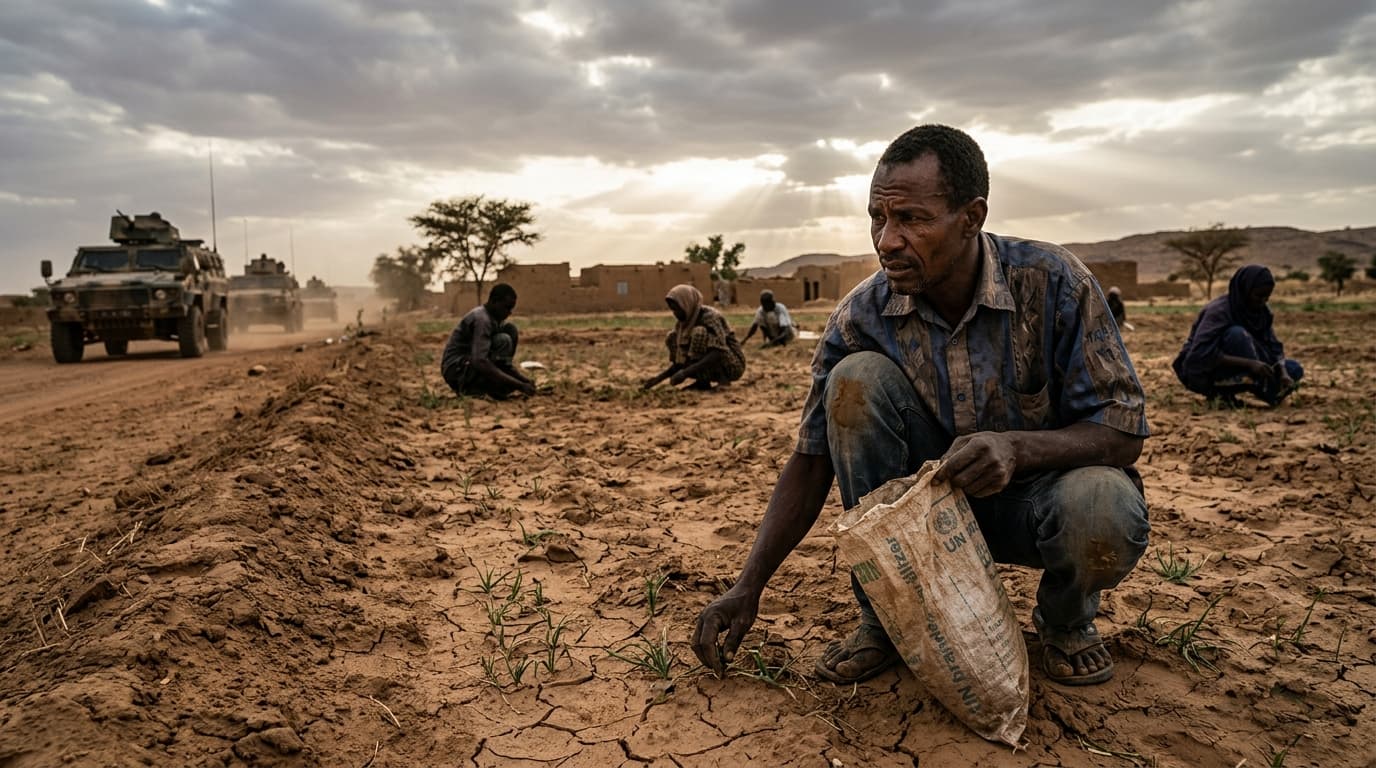
West Africa Food Crisis: Three Shocks in 2026
Conflict, climate extremes, and the Strait of Hormuz closure drive a severe food crisis in West and Central Africa, with fertilizer prices surging 80% and millions displaced.