OpenAI, Anthropic Brief Congress on AI Risks
Tech giants seek to influence AI regulation before Congress acts.
Model Diplomat3 min readNorth America
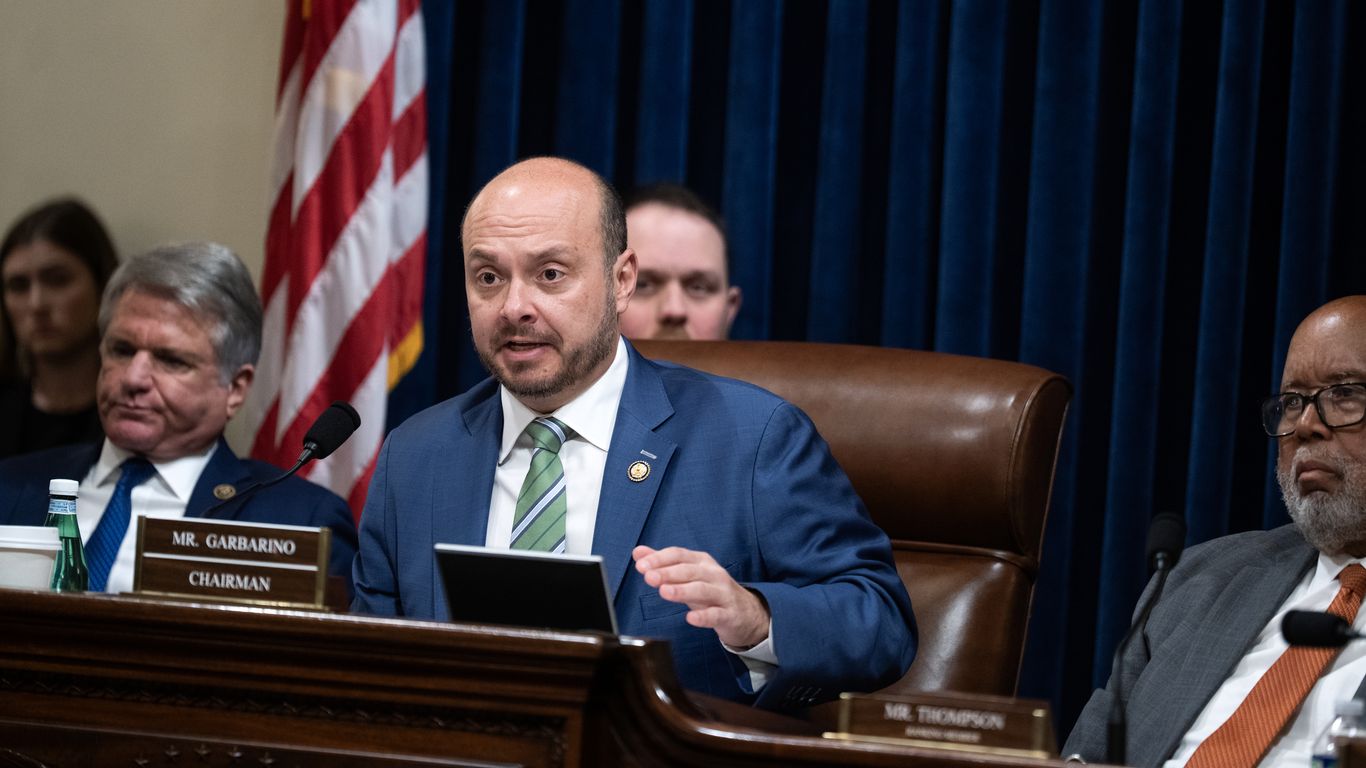
OpenAI, Anthropic brief House panel on AI cyber threats
OpenAI and Anthropic privately briefed House Homeland Security on “advanced cyber models,” signaling a bid to shape guardrails before Congress writes them.
The power move
Congress holds the gavel; the labs hold the roadmap. On April 28, OpenAI and Anthropic briefed the House Homeland Security Committee on emerging “advanced cyber models” and their misuse risks — a closed-door readout that positions the companies to influence how lawmakers define, monitor, and potentially restrict AI systems that can find and exploit software vulnerabilities at scale Axios.
Chair Andrew Garbarino (R‑NY) has been signaling tighter oversight — including greater visibility into AI chatbot queries that could indicate terrorist activity — as Congress sketches a national AI framework. That gives the committee leverage to demand disclosures, set reporting thresholds, and tie compliance to procurement and liability exposure Washington Post. The companies’ counter‑leverage is timing and technical detail: they control early warnings, red‑team results, and the release cadence of features most likely to trip regulatory tripwires.
Winners and losers if this hardens into policy: Big labs with compliance teams and DC channels gain a regulatory moat. Open‑source and smaller startups face higher reporting and red‑teaming costs, or de facto exclusion from “high‑risk” capabilities. Federal cyber defenders and major cloud vendors benefit from earlier access and structured data‑sharing; adversaries lose stealth as detection regimes expand.
Why this matters
The technical risk case is maturing — and bipartisan. Experts warn next‑gen “agentic” models could autonomously scan for vulnerabilities, chain exploits, and persist in networks faster than human teams can respond. Even industry leaders have flagged “high” cybersecurity risk from upcoming releases; Anthropic’s in‑development “Mythos” model is cited by researchers as a potential watershed for both defenders and attackers CNN Business.
Policymakers also see the external threat surface. Anthropic has alleged Chinese rivals used large‑scale “distillation” of its model outputs to boost their systems — a path that could copy capabilities without safety guardrails, with direct national‑security implications CNN Business. That strengthens arguments for controlled release, mandatory misuse telemetry, and restrictions on exporting advanced cyber‑relevant tools — steps that would privilege well‑resourced US firms while narrowing proliferation risks.
The briefing also slots into a broader inter‑branch negotiation: Anthropic’s leadership has been engaging the White House on safety protocols and access issues this month, underscoring that any Hill framework will run in parallel with executive‑branch guidance and procurement policy CNN Business. For readers tracking the Washington angle, see our coverage hub on
US Politics and the
United States.
What to watch next
- Whether Garbarino converts the private briefing into a public hearing that compels on‑the‑record commitments: pre‑release notification for “cyber‑relevant” features, standardized red‑team reporting, incident disclosure to CISA, and model‑level access controls
Washington Post.
- If the labs propose a self‑regulatory “classification” for high‑risk AI capabilities — a move that could preempt stricter statutory controls while locking in industry‑defined thresholds
Axios.
- Signs the executive branch aligns procurement and guidance with Hill expectations, tightening the loop between briefings like this and operational doctrine for federal cyber defense
CNN Business.
This matters because whoever defines “advanced cyber models” first sets the perimeter of what can ship, who can ship it, and how fast adversaries can copy it. Today, Congress has the veto. The labs are racing to write the first draft.
Discover more
US Politics
Congress Targets AI Chatbot Access for Terror
The House passed the Generative AI Terrorism Risk Assessment Act, focusing on AI's role in terrorism and potential surveillance implications.
US Politics
House Ethics Committee Pushes Sexual Miscond.
The House Ethics Committee has shifted responsibility for sexual harassment settlement records to the Office of Congressional Workplace Rights, complicating disclosure efforts.

Conflict & Security
Drone Warfare Killing Aid Workers at Unprec
Over 1,000 humanitarian workers killed in three years as cheap armed drones collapse legal protections. Gaza, Sudan, Ukraine, and DRC see deliberate targeting of aid convoys and hospitals with zero prosecutions.

Global
World Normalises Taliban as Afghan Women Eras
UN data shows Afghan women erased from public life as Russia recognises the Taliban, EU hosts officials in Brussels, and ICC warrants for gender persecution go unenforced.