Niger Airport Attacked Again—Junta's Security
Second major assault in five months raises security concerns
Model Diplomat3 min readAfrica
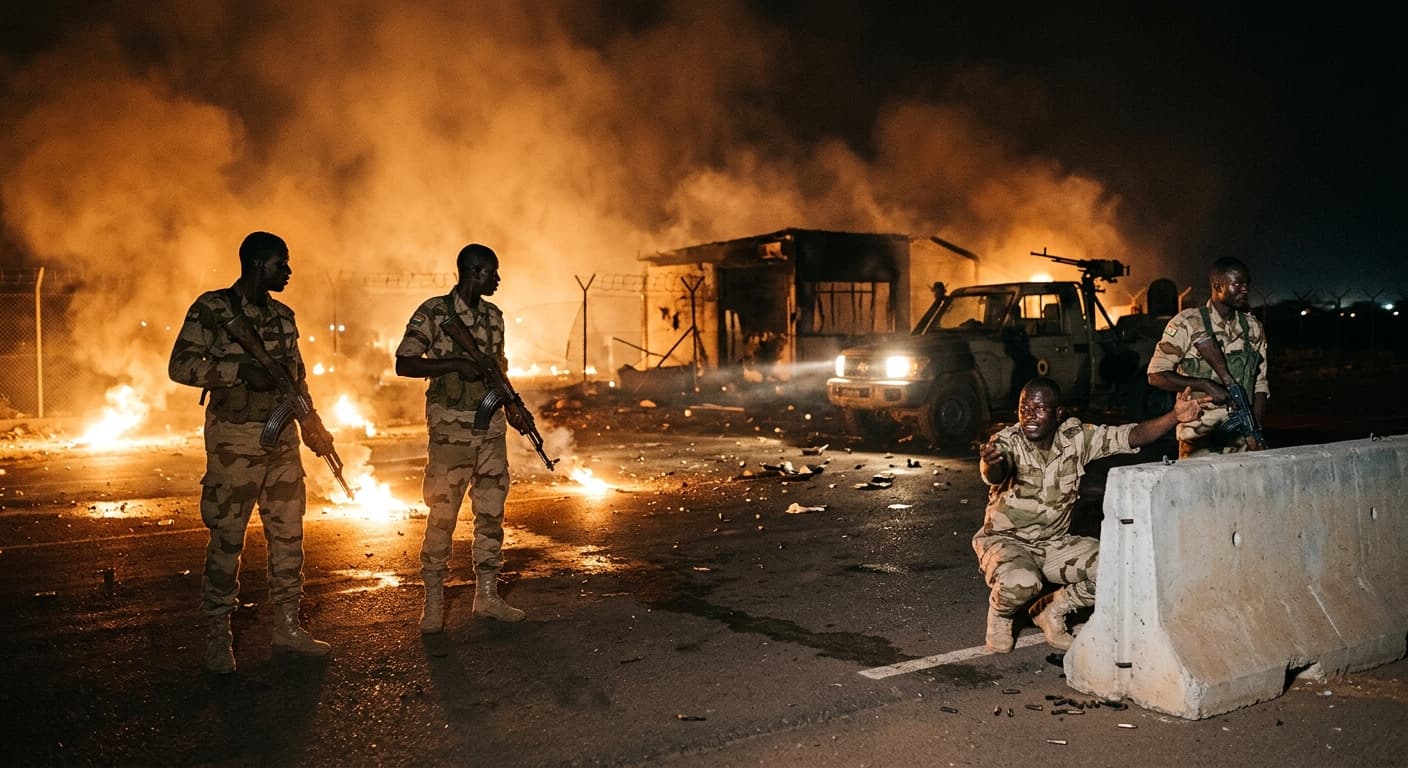
Niger Airport Attacked Again—Junta's Security Gamble Crumbles
Niamey airport hit by second major assault in five months; no claim yet, but pattern points to persistent jihadist threat
Attackers struck Niamey's international airport early Thursday, killing 11 soldiers and two civilians in what authorities say is a coordinated assault on one of Niger's most critical military installations. Al Jazeera reported that the defense ministry's statement, read on national television, confirmed 22 attackers were killed and about 20 suspects apprehended. Gunfire began at approximately 6:00 a.m. local time, sustaining for more than an hour, according to
Sahara Reporters, with witnesses hearing the initial blasts "around dawn."
No group has claimed responsibility yet. But this marks the second major assault in five months on the same facility—an unmistakable demonstration that Niger's military junta has failed to harden the country's most strategically important airport despite five months of reinforcement. In January, an Islamic State affiliate claimed the previous attack, which killed 20 attackers and wounded four soldiers. General Abdourahamane Tiani's regime responded then by demolishing thousands of shantytowns around the perimeter, reinforcing the fence, and installing over 350 security cameras—measures that plainly failed to prevent Thursday's breach.
Why the Junta Remains Vulnerable
The airport is not peripheral infrastructure. It hosts Niger's air force drone unit, the G5 Sahel counterterrorism force, and Russian military personnel—the military backbone of Tiani's push for regional autonomy. Niamey's airport is also about 10 kilometers from the presidential palace. Its capture or sustained damage would be a direct blow to the junta's hold on power.
Yet the gap between hardening measures and actual security has widened. BBC Afrique reported that the regime has launched a campaign of neighborhood demolitions and camera expansion, but Thursday's attack reveals both the technical speed of the response and the underlying strategic problem: Tiani's military government, which seized power in 2023 partly by promising to defeat jihadists, faces jihadist groups that are faster and more coordinated than the state can contain. Two major coordinated assaults on the capital's airport in five months signal either deteriorating intelligence or jihadist capacity that has accelerated.
The timing matters. January's attack came as the junta was nationalizing uranium exports and turning away from France. Thursday's attack coincides with a regional pattern: According to BBC reporting, JNIM (the al-Qaeda-linked coalition) struck Mali's capital Bamako in April. Jihadist groups operating across Niger, Mali, and Burkina Faso—particularly IS affiliates and JNIM—are testing defenses across the Sahel's military-run states at precisely the moment those states are fracturing their Western partnerships and betting on Russian support.
What to Watch Next
The immediate question is attribution. If Islamic State claims this attack, as it did in January, the junta will face sustained pressure to explain why five months of intensive fortification failed. If JNIM claims it, a different narrative emerges: a rival jihadist coalition is escalating. Either outcome signals that the three-nation Confederation of Sahel States—Niger, Mali, Burkina Faso—cannot stabilize their core infrastructure even with Russian military advisers and northern regional backing.
The second watch point is the pace of the next attack. January to June (five months) may compress further. If so, the junta's room for tactical error narrows, and the calculus of withdrawal—or the need for it—becomes harder to avoid.
Discover more
Global Politics
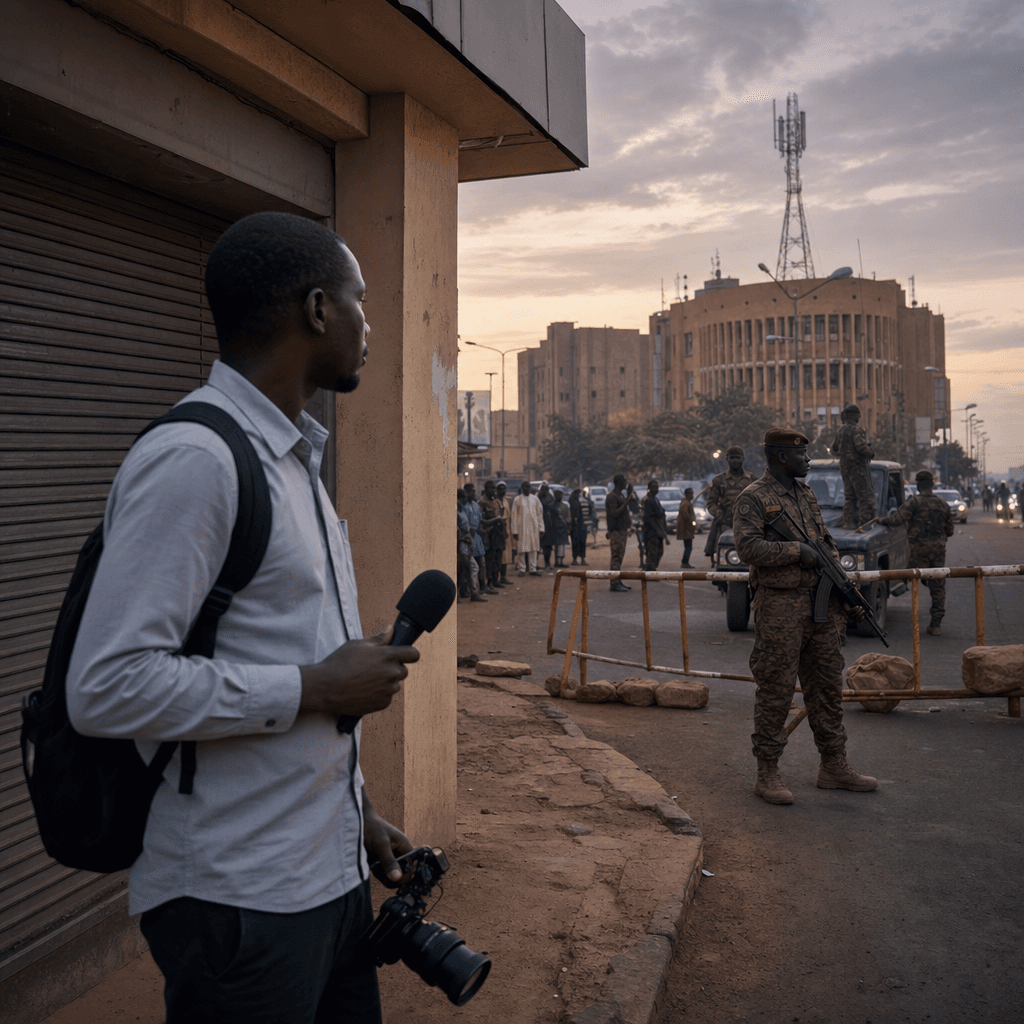
Niger Junta Bans French Media Outlets
Niger's junta bans French media outlets, tightening its grip on information, signaling a sharper crackdown on dissent and deepening the rupture with France.
Conflict & Security
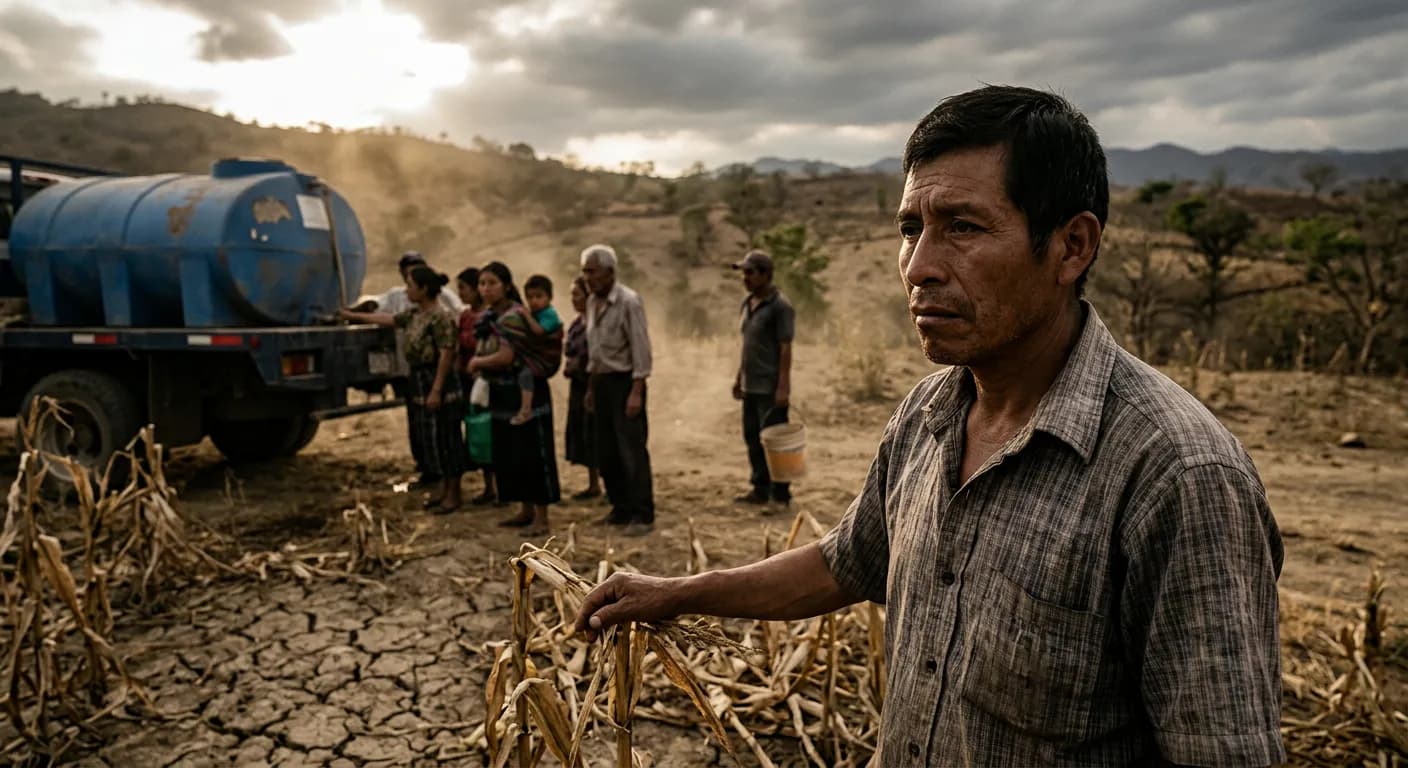
Guatemala: El Niño 2026–27 becomes regional security test
UNICEF: 25.8M children face El Niño risks in Latin America; Guatemala maps 188 municipalities for drought and food insecurity amid regional security test.

Economics
Fed's stress-test overhaul is a capital-smoothing exercise
Federal Reserve finalized stress-test overhaul: two-year averaging for bank capital buffers and public input, expected to halve volatility.

Conflict & Security
Drone Warfare Killing Aid Workers at Unprec
Over 1,000 humanitarian workers killed in three years as cheap armed drones collapse legal protections. Gaza, Sudan, Ukraine, and DRC see deliberate targeting of aid convoys and hospitals with zero prosecutions.