Nadda's ₹600 Crore Health Initiative in AP
Centre claims credit for health infrastructure in AP
Model Diplomat2 min readAsia
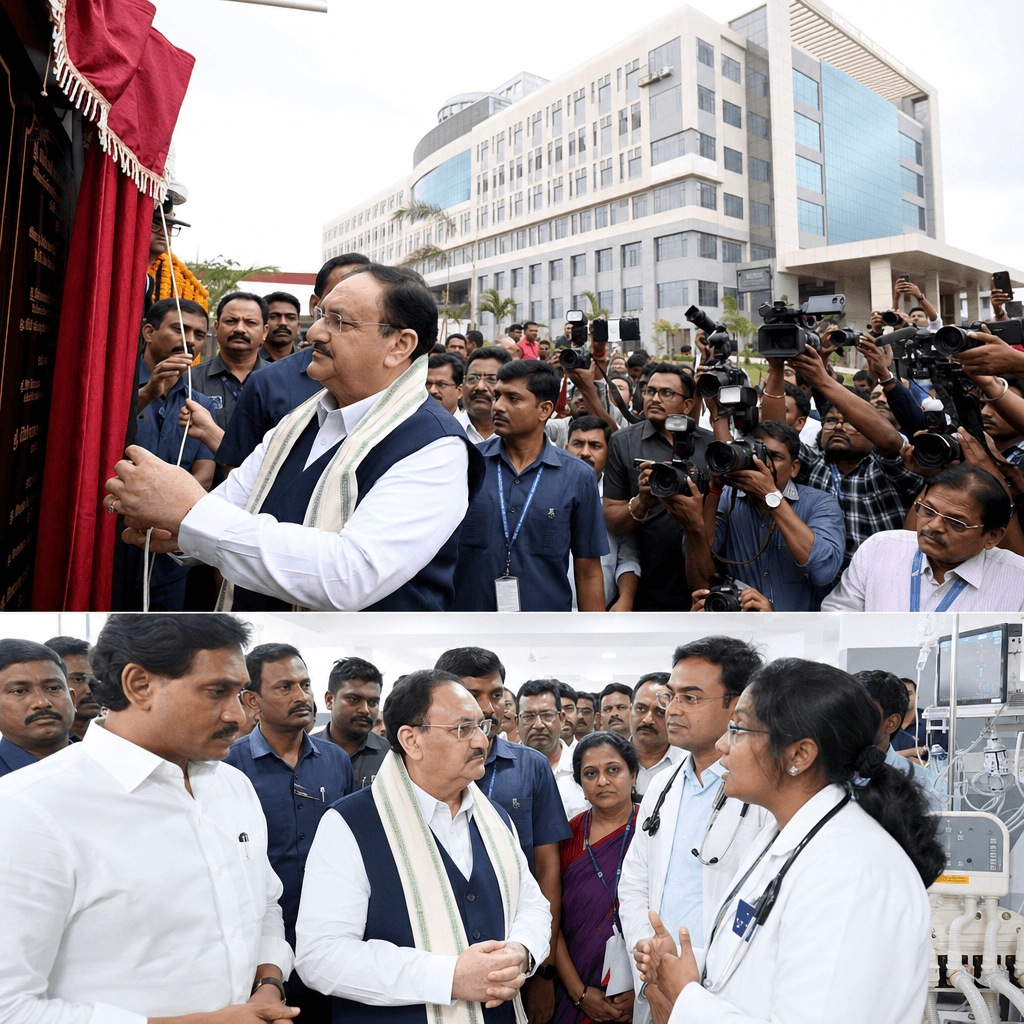
Nadda’s AP health rollout is about credit and control
The Centre is using a ₹600 crore hospital launch to claim delivery in Andhra Pradesh, while the state must still prove it can staff and run the new blocks.
Union Health Minister J.P. Nadda will inaugurate ₹600 crore worth of medical infrastructure in Andhra Pradesh government hospitals on May 14, including 24 critical-care blocks that add 1,275 beds to the public system, Health Minister Satya Kumar Yadav said in The Hindu. The roll-out is part of the Pradhan Mantri Ayushman Bharat Health Infrastructure Mission, which means the Centre is not just funding the assets — it is also fronting the political announcement.
What the rollout actually buys
The immediate gain is capacity, not reform. The 24 blocks will be spread across 22 government hospitals, with 22 of them getting 50 beds, one at Narasaraopeta getting 75 beds and Tenali getting 100, according to The Hindu. Each 50-bed block is designed with ICU, mini-ICU, maternity, isolation, casualty and dialysis beds. That matters in a state where public hospitals still absorb the toughest cases but often lack the critical-care backup to keep patients from being sent elsewhere.
The political value is obvious: the Centre gets the ribbon-cutting, the Andhra Pradesh government gets to show it is extracting money and infrastructure from New Delhi, and patients get a visible upgrade in the places they actually use. But the real test will be whether these beds are matched by doctors, nurses, equipment and uptime.
Why this is also a staffing story
That is where the fine print begins. Yadav also said 46 assistant and associate professors had been appointed in Rangaraya Medical College in Kakinada, and officials there have drawn up a ₹35 crore development plan for the Government General Hospital, Kakinada, The Hindu reported. In other words, the state is trying to synchronize buildings, faculty and hospital upgrades at once.
That sequencing is not accidental. Earlier this week, The Hindu and
The New Indian Express both reported that Andhra Pradesh is pushing Piduguralla teaching hospital toward OPD services by May 20 so MBBS admissions can begin. That tells you the state’s health push is not a single project; it is a broader attempt to demonstrate execution on
India’s medical-college and public-hospital agenda.
What to watch next
Watch whether the May 14 event becomes a one-day political win or a sustained operating model. The next decision point is whether Andhra Pradesh can keep these critical-care blocks staffed and functional through the summer, and whether other planned openings — like Piduguralla’s OPD launch on May 20 — stay on schedule. If they do, the state can argue its public health system is finally being rebuilt at scale. If they stall, the Centre will still have the photo-op, but the leverage will shift back to the gap between infrastructure and delivery.
Discover more
India
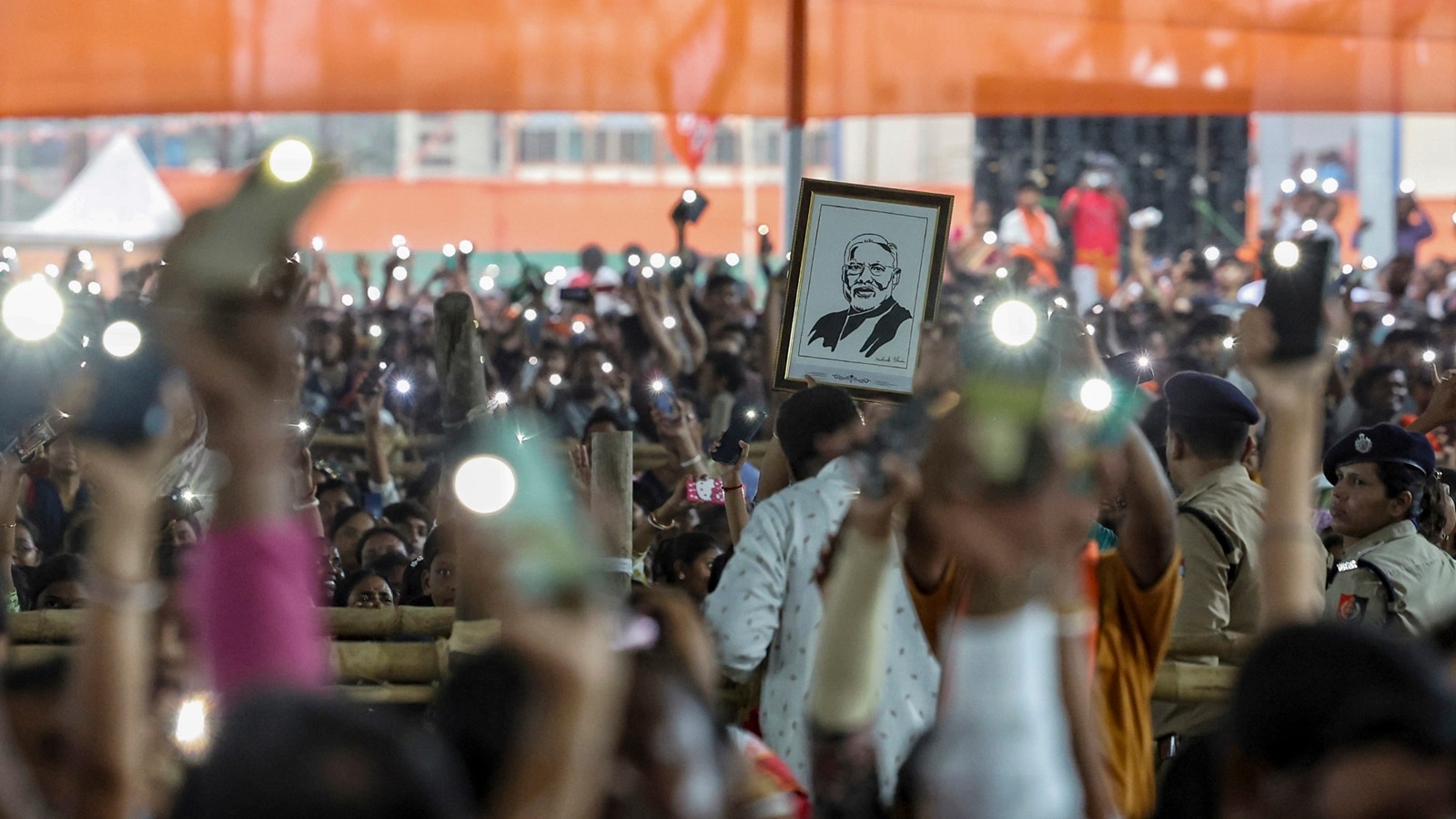
Modi's Women’s Convention in Varanasi
PM Modi's upcoming women’s convention in Varanasi aims to boost support ahead of West Bengal elections, highlighting women's empowerment initiatives.
India
CPI MP Accuses PM Modi of MCC Violations
CPI MP P Sandosh Kumar alleges PM Modi violated MCC during Tamil Nadu visit, raising serious election integrity issues ahead of 2026 Assembly elections.
Global Politics
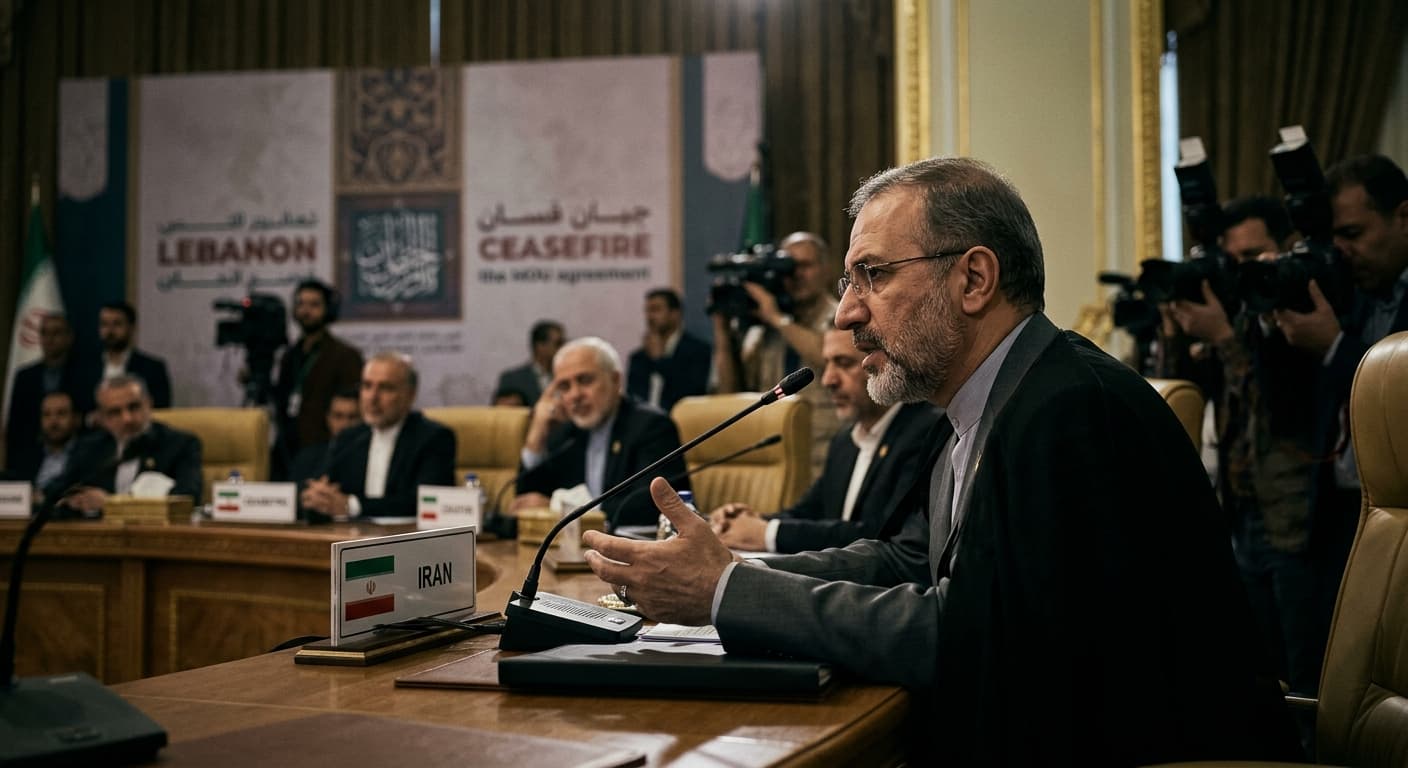
Iran Demands US Enforce Ceasefire
Iran insists the US must enforce a ceasefire in Lebanon to uphold the MoU.
India
India Takes Vice-Presidency at FATF
India's Vivek Aggarwal becomes FATF vice president, paving the way for future leadership.