Modi's Tamil Nadu Roadshow
BJP intensifies efforts in Tamil Nadu ahead of 2026 elections
Model Diplomat3 min readTamil Nadu
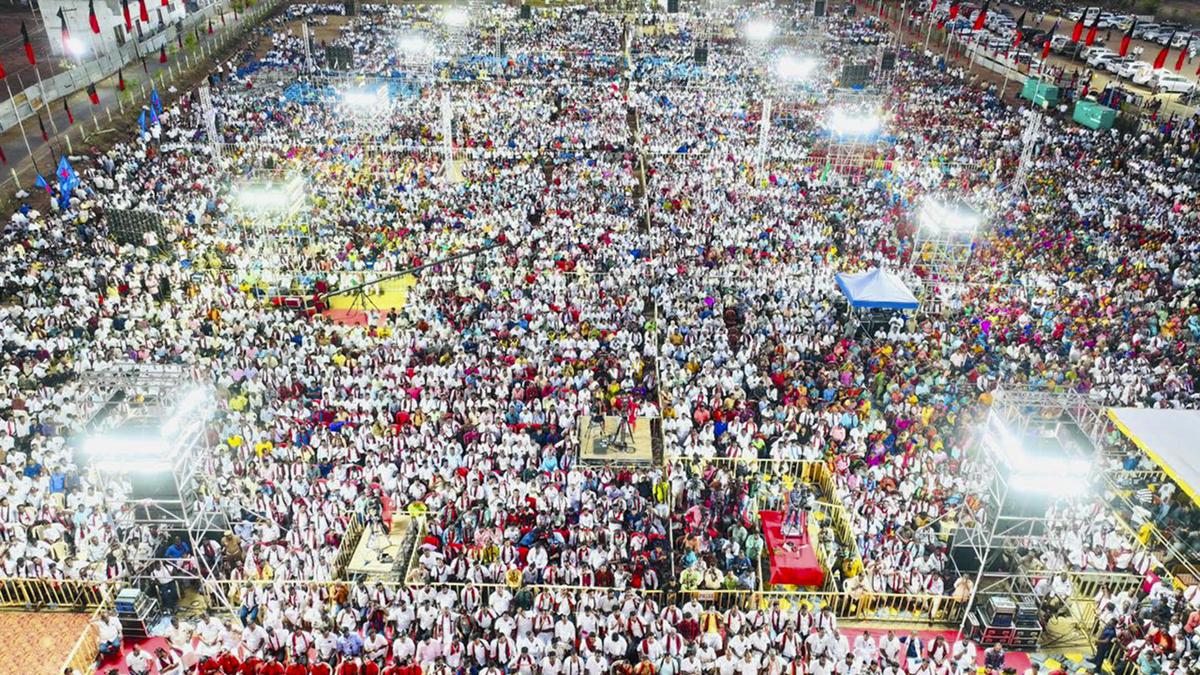
Modi’s Tamil Nadu Roadshow Escalates BJP-DMK Rivalry Ahead of 2026 Polls
BJP’s strategy in Tamil Nadu unfolds as DMK warns PM Modi against “playing with fire” while Assembly elections heat up.
Prime Minister Narendra Modi is launching a high-profile roadshow in Tamil Nadu amid the crucial 2026 Assembly elections, marking an intensified push by the Bharatiya Janata Party (BJP) to make inroads in a traditionally Dravidian-dominated state. This move comes as DMK president and Tamil Nadu Chief Minister M.K. Stalin accuses the BJP of using the AIADMK as a “mask” to covertly expand its presence in the state—a strategy he sharply warns Modi not to “play with fire” with.
Why Tamil Nadu—and Why Now?
Tamil Nadu’s politics has long revolved around Dravidian parties—primarily DMK and AIADMK—since the 1960s, with limited space for national parties like BJP, which has struggled despite its dominance elsewhere in India. But BJP’s recent alliance with AIADMK and tactical deployment of AIADMK leaders as a “mask” reflects a strategic pivot. By piggybacking on AIADMK’s established regional network, BJP aims to bypass the barriers imposed by Tamil identity politics and linguistic pride, expanding its footprint without directly confronting entrenched rivals.
This is critical for BJP as it seeks broader geographic diversity ahead of national polls. Tamil Nadu’s 234 seats make it a non-trivial battleground, especially if the BJP can fracture traditional vote bases or sway smaller coalition partners. For Modi personally, the roadshow signals a national leader invested in regional ground games, a status shift from BJP’s historical reliance on northern and central India.
The DMK’s Counterplay and Political Risks
M.K. Stalin’s public naming of this BJP strategy exposes the high-stakes political war unfolding. Calling out the BJP’s “mask” tactic isn’t just electoral rhetoric; it’s a move to delegitimize BJP’s alliance structures and warn voters against hidden political agendas. “Playing with fire” suggests Stalin fears unintended consequences—BJP’s rise could disrupt existing power balances or even inflame Tamil sentiments against perceived external political interference.
Historically, Tamil Nadu voters have been sensitive to perceived “outsider” domination or cultural dilution, which BJP has struggled to overcome. Stalin’s framing taps into this sentiment and tries to rally a defensive identity-based countercoalition. How this plays out could either reinforce DMK’s dominance or splinter the opposition vote if AIADMK and BJP’s alliance proves electorally viable.
What to Watch Next
- Voter Response: Will Modi’s presence and BJP’s AIADMK-aligned strategy sway Tamil voters accustomed to Dravidian leadership? Tamil Nadu’s election day, set for April 2026, will be a clear test.
- West Bengal Parallel: Similar tensions ripple in neighboring West Bengal’s Assembly elections (polling April 23 & 29), where BJP challenges the ruling Trinamool Congress with assertive campaigning, suggesting a pattern of BJP exploiting regional fractures using alliances and roadshows.
- Coalition Dynamics: Watch for how AIADMK manages its dual role as BJP’s “mask” and a distinct regional party. Internal contradictions here could destabilize opposition unity or create openings for the DMK.
BJP’s Tamil Nadu gambit illustrates a larger national trend: Modi and his party pushing aggressively into regional strongholds by layering alliances and optics, leveraging India’s fractured party system. But as Stalin’s warning signals, such strategies can ignite local backlash, making these elections a bellwether for how BJP balances national ambition with regional realities across India.
For deeper India political insights, see our India political profile and broader
Global Politics coverage.
Discover more

India
Berhampur Flips to BJP as Odisha's Swing Deep
The BJP's win in Berhampur marks a major shift in Odisha's political landscape, deepening the state's swing toward the party at the expense of regional rivals.
India
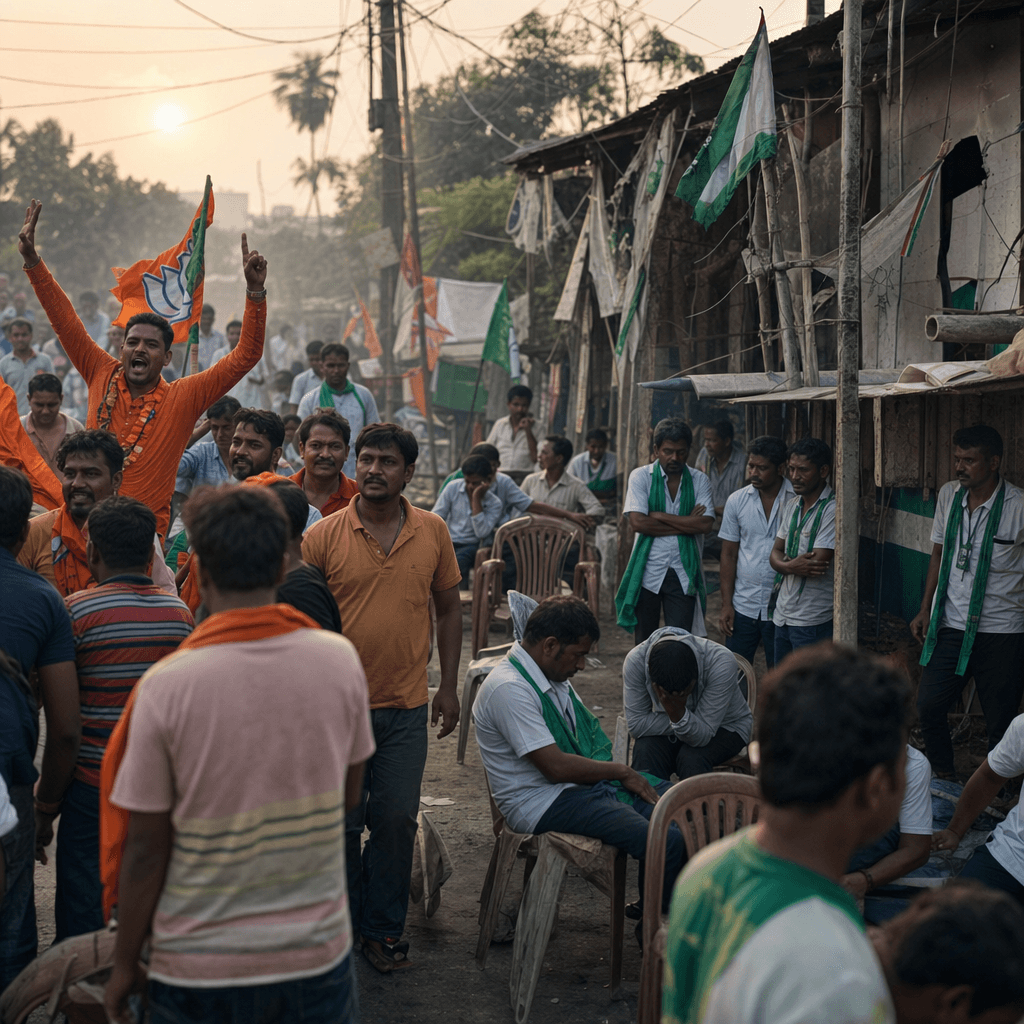
BJP's Falta Win Signals TMC's Decline
The BJP's win in Falta exposes the TMC's fraying local machinery and leadership cracks in West Bengal, signaling deeper trouble for Abhishek Banerjee's party.
India
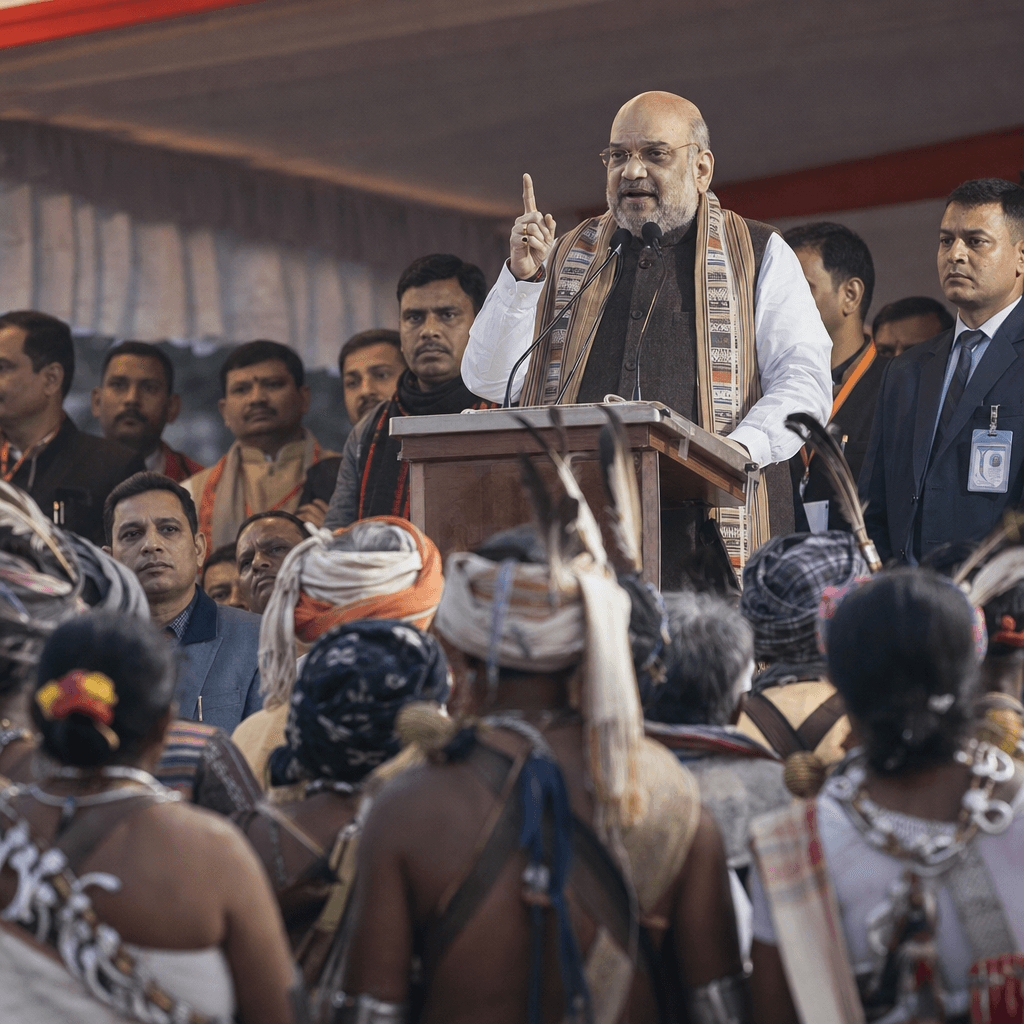
Amit Shah’s UCC Promise and Tribal Votes
Amit Shah's Uniform Civil Code promise aims to win tribal votes while advancing the BJP's broader agenda, exposing the tensions inside its identity politics.
India
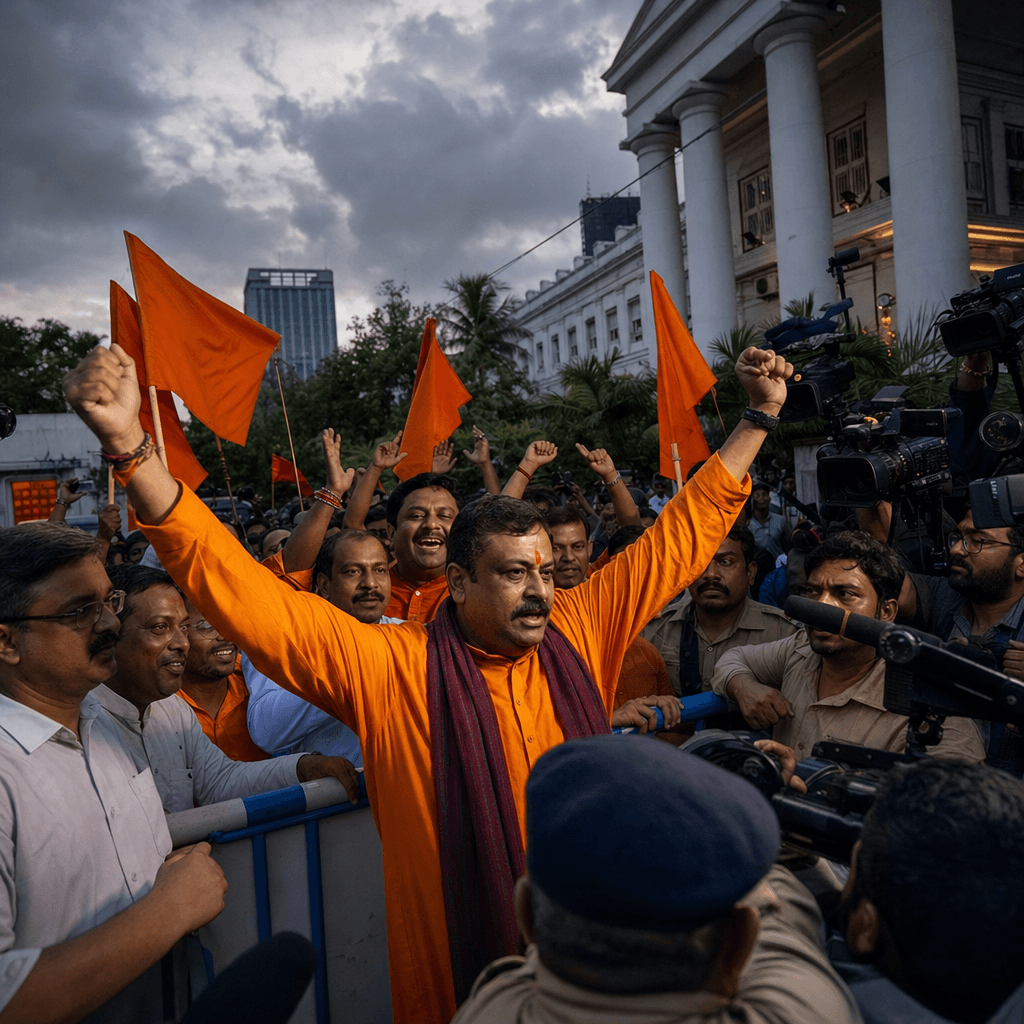
BJP’s West Bengal Sweep Forces Rethink
The BJP's sweeping victory in West Bengal reshapes Indian politics, forcing a battered Opposition to rethink strategy as the party extends its dominance.