Modi's Sikkim Visit
Exploring the significance of Modi's visit amid China relations.
Model Diplomat3 min readAsia
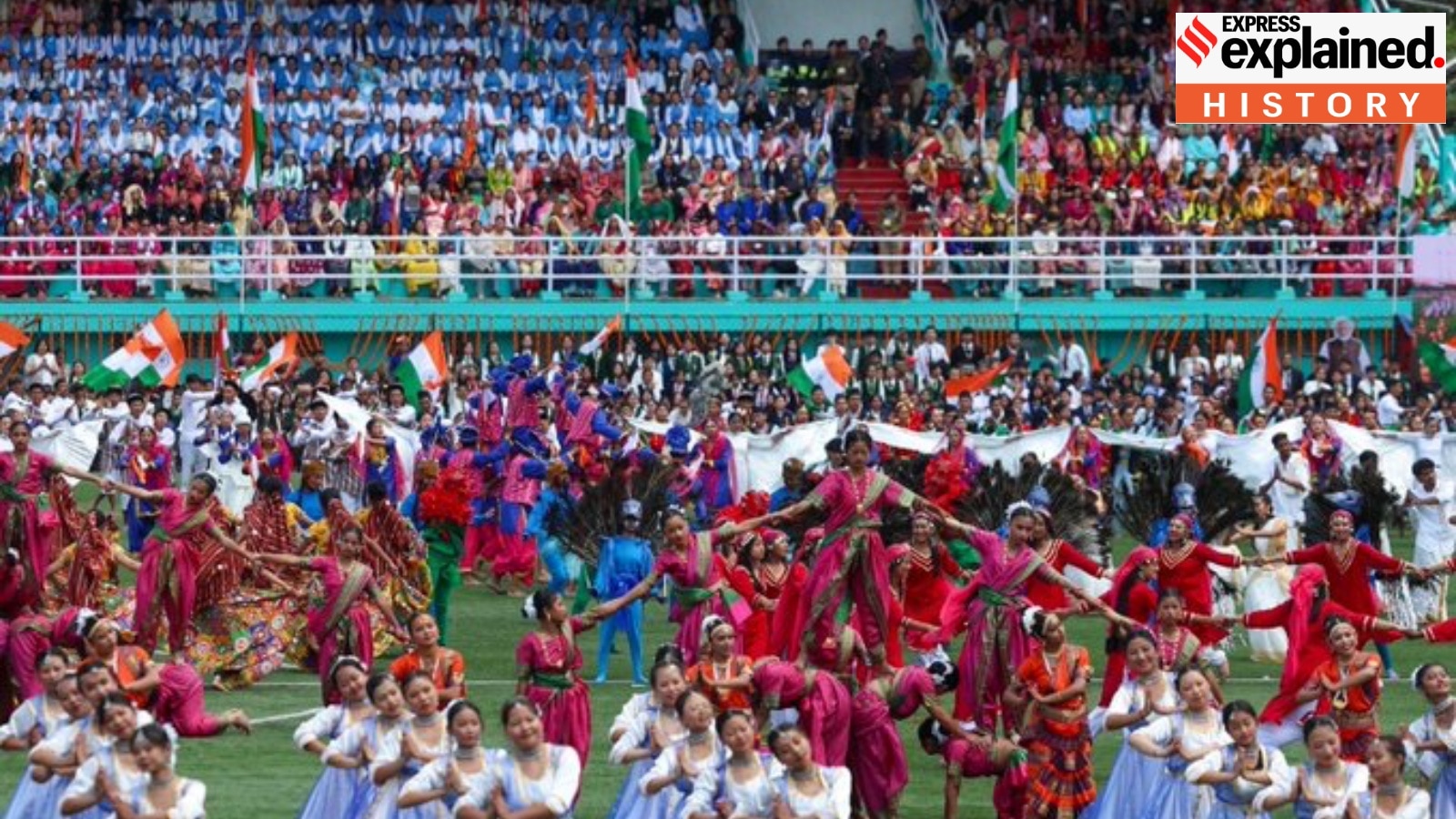
The search results confirm this story appears to stem from the Indian Express explainer — most likely published around the actual 50th anniversary of Sikkim's integration (May 16, 1975 → May 16, 2025), and the seed article is from 2025. I have solid material from research to write a strong contextual analysis. Let me compile it now.
Modi's Sikkim Visit: A 50-Year Milestone With a China Subtext
India's commemoration of Sikkim's 1975 absorption is as much about Beijing's unfinished recognition as it is about domestic symbolism.
PM Narendra Modi's visit to Gangtok to mark the 50th anniversary of Sikkim's integration into India is a deliberately high-profile signal — directed as much at Beijing as at Indian domestic audiences. Sikkim formally became India's 22nd state on May 16, 1975, following a controversial referendum that deposed the Chogyal (hereditary ruler) Palden Thondup Namgyal. China refused to recognize the merger for nearly three decades, finally acknowledging Indian sovereignty over Sikkim only in 2003 — and then only implicitly, through a revised map, not a formal declaration.
That latent ambiguity has never fully closed.
The Leverage Beijing Still Holds
China's 2003 "recognition" came as part of a broader effort to secure Indian acknowledgment of Tibet as Chinese territory — a transactional concession, not a principled settlement. Beijing has periodically reverted to questioning Sikkim's status when bilateral tensions spike, most notably during the 73-day Doklam standoff of 2017, fought at the precise tri-junction where India, China, and Bhutan meet — Sikkim's northwestern corner. New Delhi views any ambiguity over Sikkim as a direct pressure lever on the broader Himalayan frontier.
India's response has been to militarize the symbolic. The Bharat Rannbhoomi Darshan initiative, which recently opened former India-China conflict sites at Cho-La and Dok-La to tourists, is one instrument. Modi's anniversary visit is another — projecting irreversibility onto a boundary that China has historically treated as negotiable. According to The Hindu, these battlefield tourism sites near Nathu-La are explicitly framed as reminders of armed forces' valor — domestic messaging with an unmistakable external audience.
Who Benefits, Who Watches
Modi's BJP extracts straightforward electoral and nationalist dividends: a dramatic backdrop, a unified-India narrative, and a rebuttal to any opposition framing of border weakness. The Indian Army's Eastern Command, which has expanded infrastructure in northern Sikkim under the Vibrant Village Programme, gains political cover for continued forward-deployment spending.
Beijing watches carefully. India's Chief of Defence Staff Gen. Anil Chauhan has publicly emphasized that Himalayan frontiers are of "growing strategic importance," with active infrastructure development underway — a posture The Hindu frames as a direct lesson drawn from the failure of the Panchsheel era's optimism. A high-visibility Modi visit to Gangtok reinforces that India will not allow anniversary ambiguity to accumulate.
Sikkim's Lepcha and Bhutia communities — who historically had mixed views on the 1975 merger — remain the quiet variable. The referendum was conducted under conditions critics called coercive; India has never had to relitigate that history because China dropped its formal objection. The anniversary amplifies the settled-question narrative domestically while those undercurrents persist locally.
What to Watch Next
The more consequential near-term marker is the India-China border talks framework, which has been slowly rebuilding since the 2020 Galwan clash and the partial disengagement agreements of late 2024. If Modi's Sikkim visit prompts even a low-level Chinese Foreign Ministry statement questioning the anniversary's framing, it signals Beijing is prepared to reopen the pressure valve. Silence, conversely, would confirm that the 2003 understanding holds — at least for now.
Watch the Line of Actual Control patrol-point reports in North Sikkim's Doka La sector through June. That's where the next move, if any, will show up first. For broader context on India's strategic posture along its northern frontier, the Sikkim anniversary is a data point in a much longer pattern.
Discover more
India
Modi's Women’s Convention in Varanasi
Modi's Varanasi rally frames women's reservation as a national mission, targeting the 2027 Uttar Pradesh elections with a strategic narrative.

India
India-South Korea $50B Trade Expansion Plan
India and South Korea target $50 billion in bilateral trade by 2030, focusing on industrial cooperation and strategic alignment amid US pressures.

Conflict & Security
Drone Warfare Killing Aid Workers at Unprec
Over 1,000 humanitarian workers killed in three years as cheap armed drones collapse legal protections. Gaza, Sudan, Ukraine, and DRC see deliberate targeting of aid convoys and hospitals with zero prosecutions.

Global
World Normalises Taliban as Afghan Women Eras
UN data shows Afghan women erased from public life as Russia recognises the Taliban, EU hosts officials in Brussels, and ICC warrants for gender persecution go unenforced.