Modi's May Diplomacy
India's proactive diplomacy aims to secure energy and trade routes.
Model Diplomat3 min readAsia

Modi's May Blitz Aims to Buy India Strategic Margin
New Delhi is using May diplomacy to hedge energy risk, expand Global South ties and keep room to maneuver across Europe, BRICS and the Gulf.
India is using diplomatic volume as leverage. Prime Minister Narendra Modi and External Affairs Minister S. Jaishankar have opened a crowded May outreach after a conference of Indian envoys pushed a more proactive campaign to shape India’s global image; Jaishankar has already begun a nine-day Caribbean tour covering Jamaica, Suriname and Trinidad and Tobago, while Modi and his ministers are lining up engagements across Europe, BRICS, Africa and the Indian Ocean.[PM Modi, External Affairs Minister on major diplomatic outreach in May]
This is not ceremonial overreach. It is strategic insulation. New Delhi is trying to widen its options at the same moment its external vulnerabilities have grown — above all on energy, trade routes and coalition politics. That matters for anyone tracking India and the wider
international order.
Why India is moving now
The immediate pressure point is West Asia. India imported about 91% of its crude needs in February 2026, and West Asia’s share of those imports had risen to more than 54%, a historic high just before the Iran war escalated.[Crucial dependence: West Asia’s share in Indian oil imports rose to 54% just before the Iran war] In parallel, Jaishankar’s April outreach to the UAE, as well as calls with Qatar and the UAE on keeping energy flows open through the Strait of Hormuz, showed that India’s diplomacy is now directly tied to supply security.[
Jaishankar to visit UAE as India steps up energy diplomacy in the Gulf] [
West Asia crisis: Jaishankar speaks to Qatari PM, UAE Foreign Minister]
That is why Modi’s planned May 15–20 trip to the Netherlands, Sweden, Norway and Italy is centered on energy security, trade disruption and critical technologies rather than symbolism.[PM set to embark on 4-nation Europe trip next month; energy security in focus]
Who gains from this push
The clearest beneficiaries are India’s energy planners, refiners and exporters. More diplomatic lanes mean more room to reroute supply, calm markets and protect trade if Gulf instability worsens. African and Caribbean partners also gain: India is offering more face time, development signaling and institutional attention. The planned fourth India-Africa Forum Summit later this month — the first such summit since 2015 — is set to focus on development initiatives, capacity-building, education, diplomatic expansion and defence cooperation.[Development initiatives, capacity building will be in focus at fourth India-Africa Forum Summit]
The losers are actors hoping India will narrow its alignments. This calendar runs through BRICS, Europe, the Gulf and CARICOM at once. Even after a logjam at a BRICS envoys’ meeting, Jaishankar moved to stabilize the track with a call to Iranian Foreign Minister Seyed Abbas Araghchi ahead of the BRICS ministerial in Delhi.[Days after logjam in BRICS envoys meeting, Jaishankar speaks with Araghchi]
What to watch next
Three tests matter. First, whether Modi’s Europe trip delivers concrete outcomes on energy resilience and critical technology.[PM set to embark on 4-nation Europe trip next month; energy security in focus] Second, whether the BRICS ministerial in Delhi produces coordination despite recent friction.[
Days after logjam in BRICS envoys meeting, Jaishankar speaks with Araghchi] Third, whether the India-Africa Forum Summit revives a summit process dormant for a decade.[
Development initiatives, capacity building will be in focus at fourth India-Africa Forum Summit] If those three move, India will have turned a busy month into real strategic margin.
Discover more

India
India-South Korea $50B Trade Expansion Plan
India and South Korea target $50 billion in bilateral trade by 2030, focusing on industrial cooperation and strategic alignment amid US pressures.
India
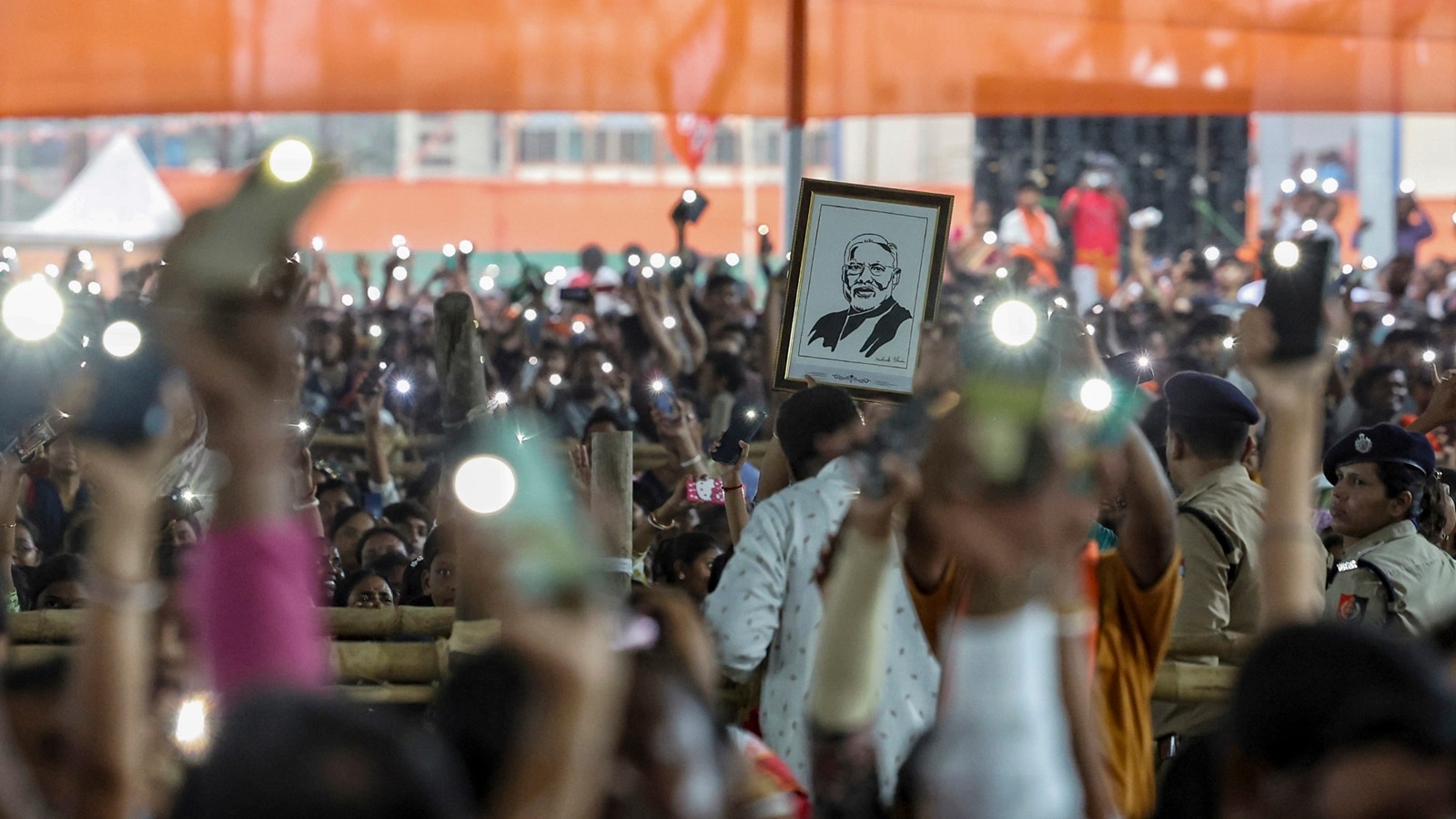
Modi's Women’s Convention in Varanasi
Modi's Varanasi rally frames women's reservation as a national mission, targeting the 2027 Uttar Pradesh elections with a strategic narrative.

International Relations
Pakistan's Key Role in US-Israel-Iran Meddle
Pakistan is seeking to mediate the US-Israel-Iran conflict, balancing high-stakes diplomacy against severe economic pressures and steep regional challenges.
Conflict & Security
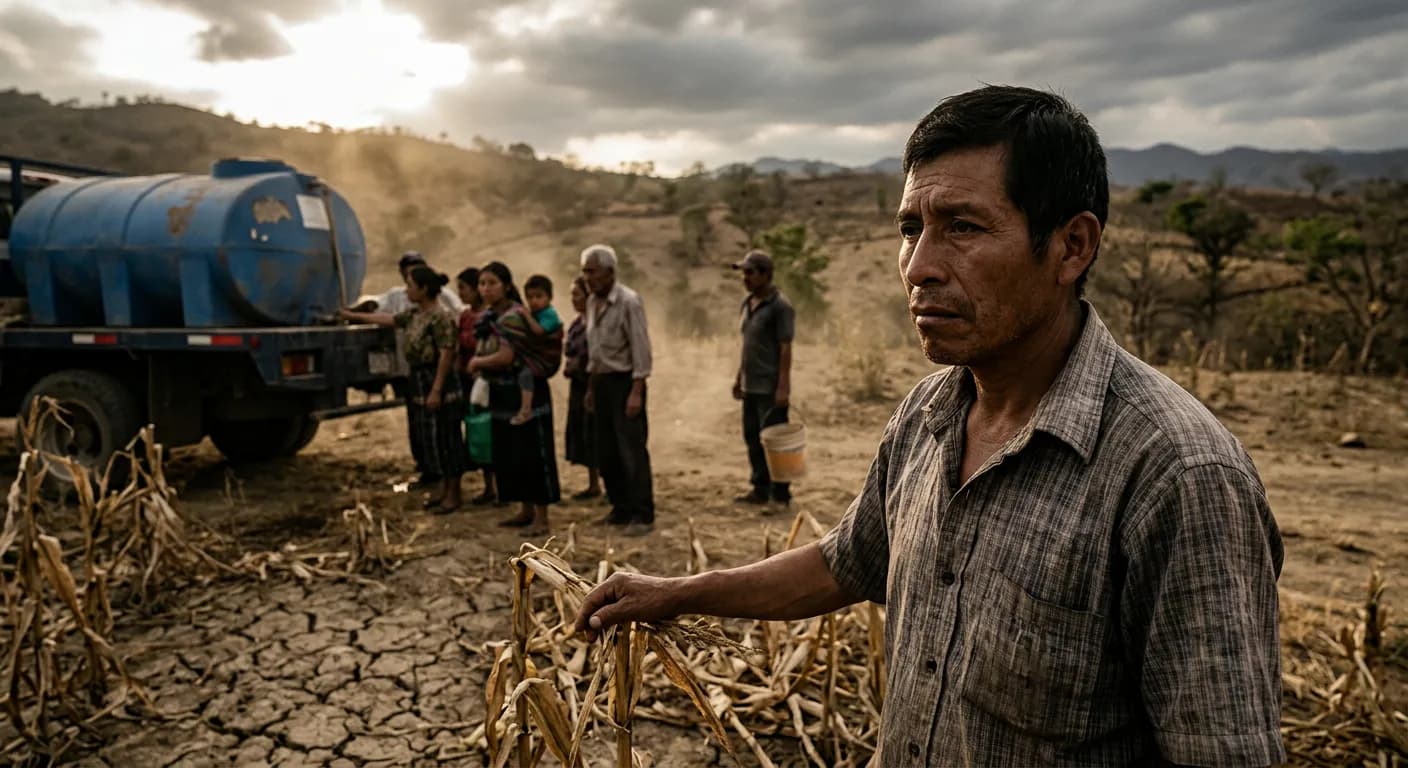
Guatemala: El Niño 2026–27 becomes regional security test
UNICEF: 25.8M children face El Niño risks in Latin America; Guatemala maps 188 municipalities for drought and food insecurity amid regional security test.