Modi’s Fuel Appeal Signals India’s Crude Shock
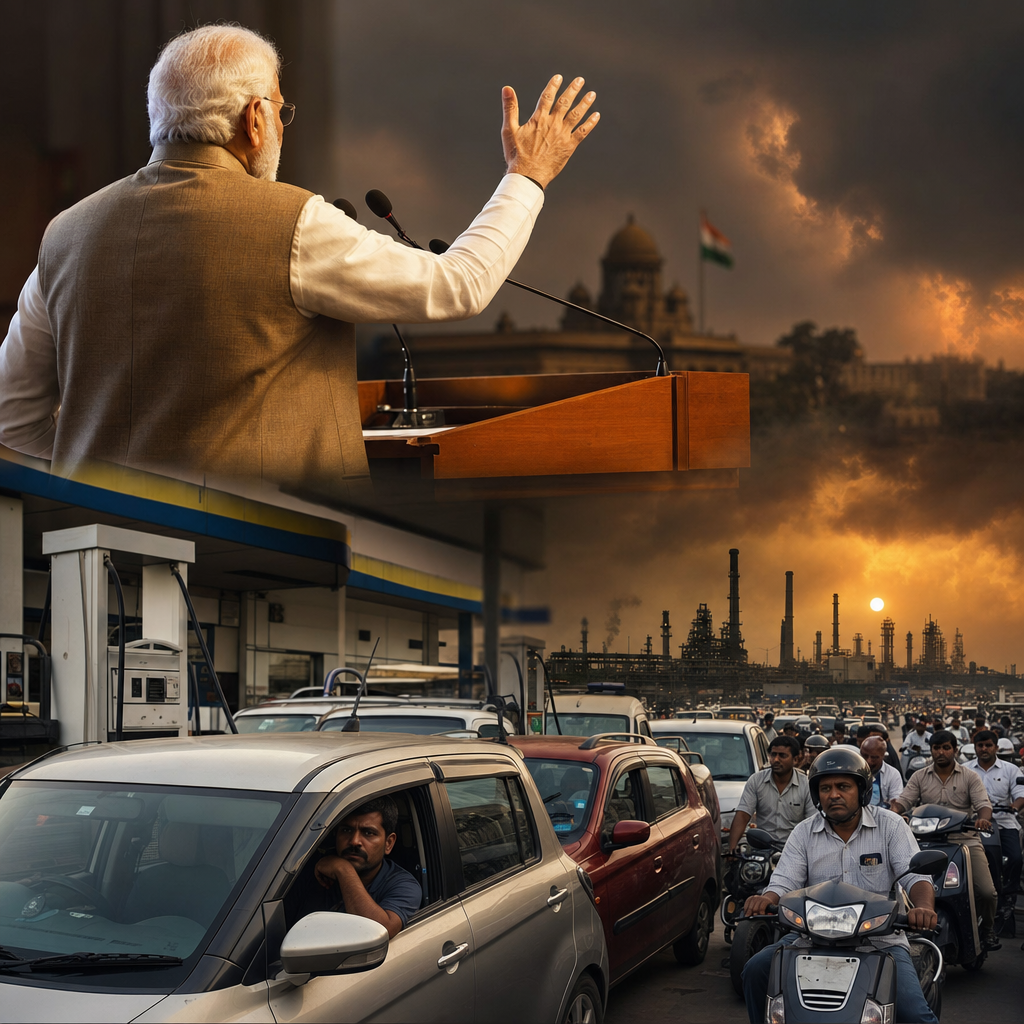
PM Modi’s call to cut fuel use and delay gold buys is a warning shot: India is trying to conserve dollars as oil, the rupee and equities all come under pressure.
Indian markets took the message as a macro signal, not a consumer campaign. On Monday, the Sensex fell 1,312.91 points and the Nifty dropped 360.30 points as oil prices jumped and investors worried about the knock-on hit to imports, inflation and the rupee, according to  The Hindu and
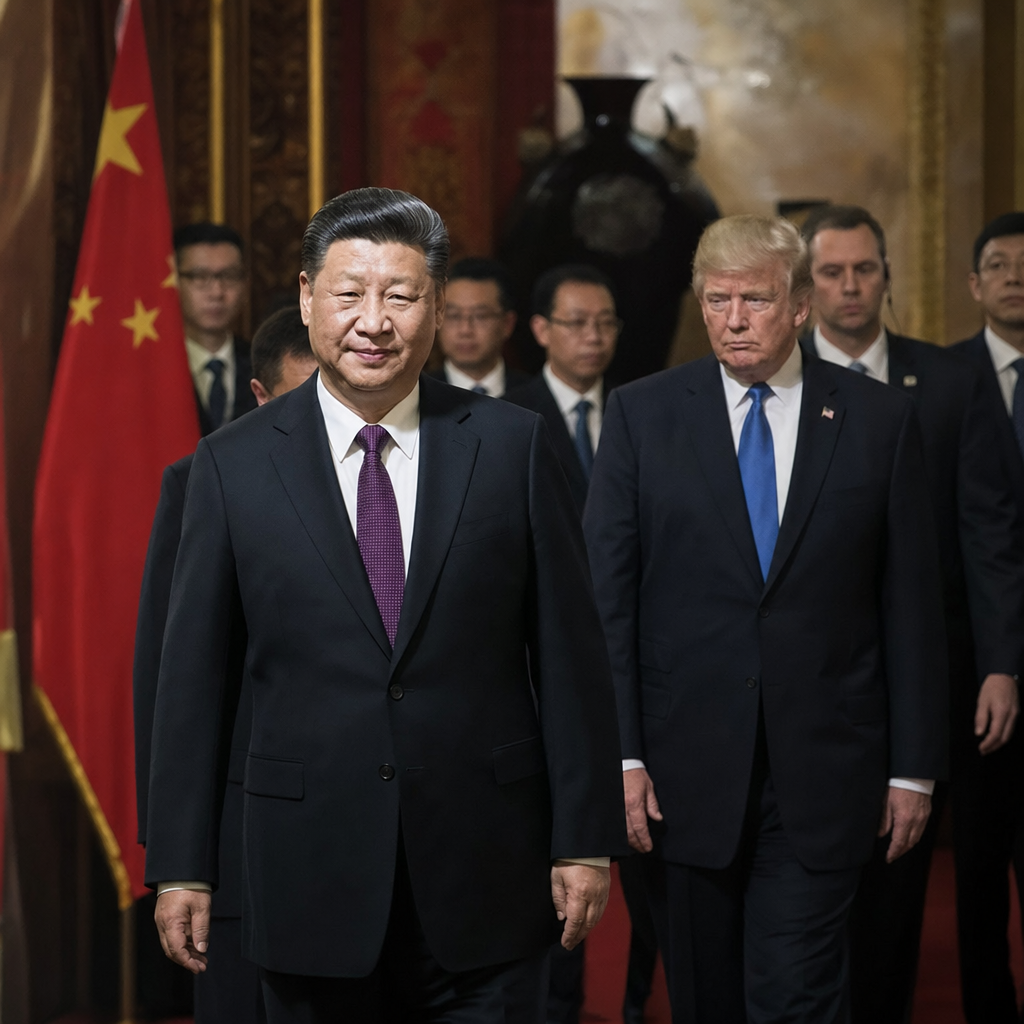
  NDTV. The immediate trigger was the U.S.-Iran escalation: President Donald Trump rejected Iran’s response to a peace proposal as “totally unacceptable,” pushing Brent crude above $103 a barrel, The Hindu reported.
Why the market read this as leverage, not advice
Modi is trying to get ahead of a balance-of-payments shock. His appeal to save fuel, use public transport, avoid non-essential foreign travel and even skip gold purchases for a year was framed as patriotic restraint, but the market heard something sharper: New Delhi wants households and firms to help preserve foreign exchange while the oil bill rises,  The Straits Times reported via Reuters. That matters because India is the world’s third-largest oil importer and the second-largest gold consumer, so even a modest shift in behaviour can affect demand for imported dollars, NDTV noted.
The equity selloff shows where the pressure lands first. Oil marketing companies, airlines, jewellery retailers and other consumption-linked names are the most exposed to a crude spike and a softer rupee; NDTV highlighted weaker sentiment across those buckets, while The Hindu said the rupee also slipped sharply as oil rose. In other words, the government’s message is not just about conserving energy. It is about protecting the external account before import costs and inflation feed back into growth.
Who gains, who loses
Exporters and defensive sectors benefit most from this tape. If crude stays elevated and the rupee remains under pressure, IT and pharma firms with foreign earnings usually get a relative tailwind, while airlines, paints, autos and consumer discretionary names absorb the cost shock. That is why this is a stock-selection market, not a broad beta market: the same oil spike that hurts domestic demand can help companies with dollar revenues.
Politically, the gain is different. Modi gets to signal that his government is responding early, before the crisis shows up in petrol stations or inflation data. That buys time. It also shifts part of the burden onto households, which is exactly what a government does when it thinks the external shock is real and persistent.
What to watch next
Watch three numbers this week: Brent crude, the rupee, and foreign fund flows. If oil stays above $100 and the currency keeps weakening, markets will keep pricing in heavier inflation and slower domestic demand. The next decision point is whether the government escalates from appeals to harder measures on imports, pricing or subsidies; for investors, that is the real signal to watch on  India.