Modi’s energy warning is a supply-chain signal
PM Modi is telling ministers to widen India’s fuel options as West Asia turmoil bites; the real goal is to buy time, limit price shock, and reduce exposure to Hormuz.
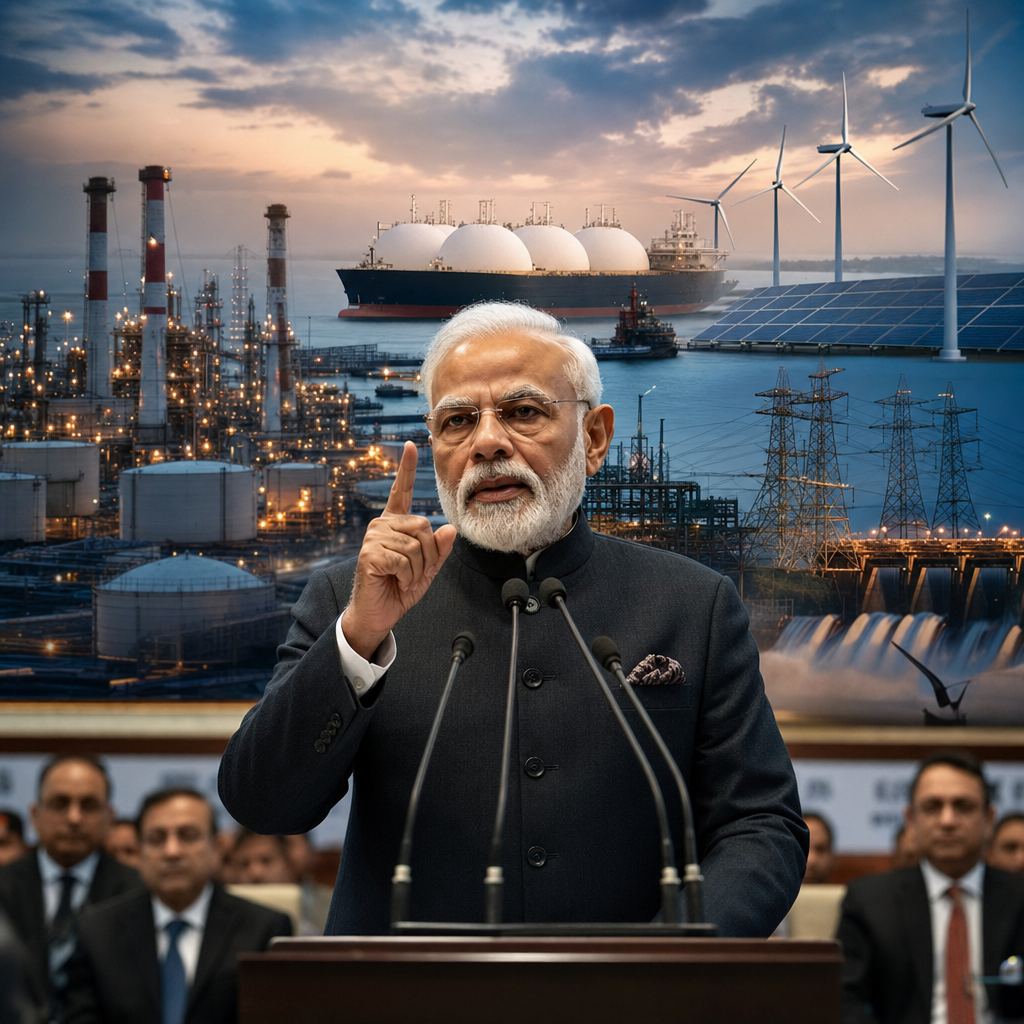
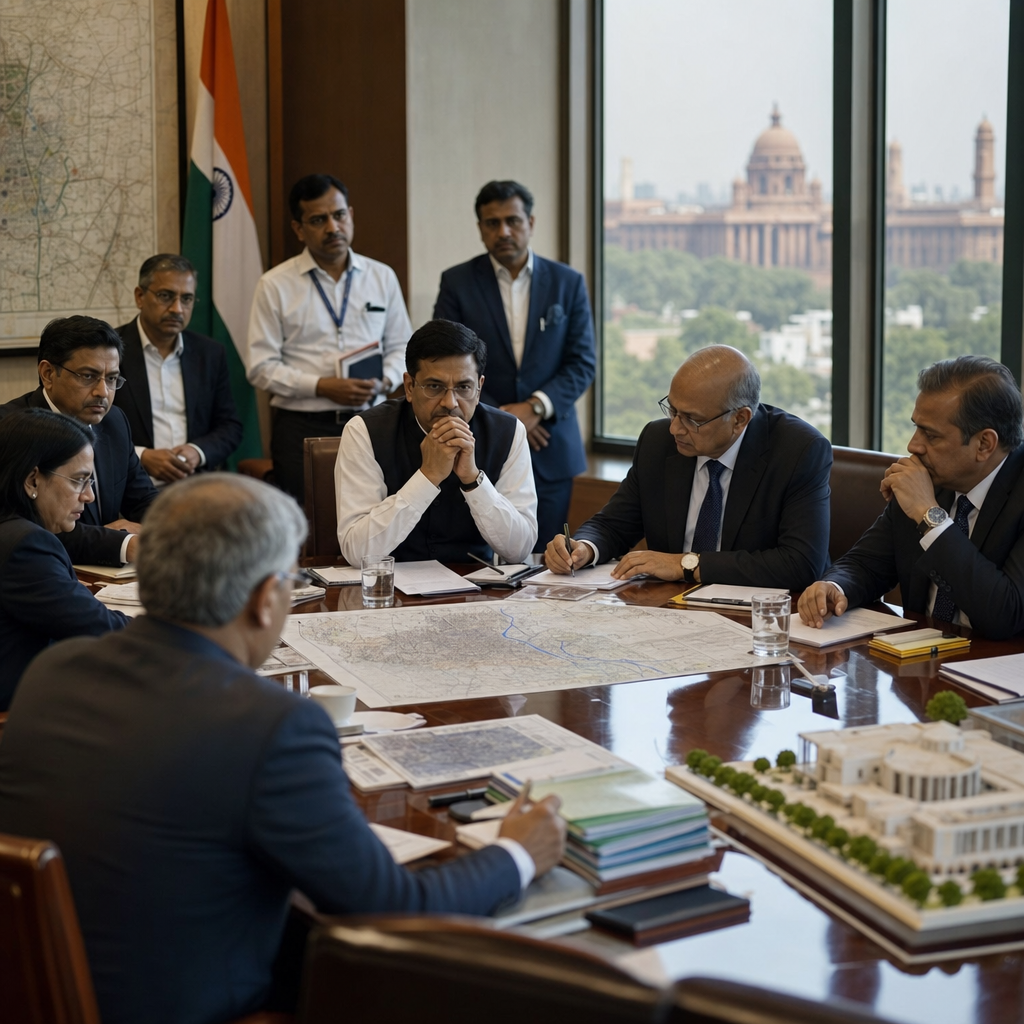
Prime Minister Narendra Modi has told his ministers to explore alternative energy sources as the Middle East war threatens India’s fuel security, NDTV reported after a four-hour Council of Ministers meeting on Thursday. According to the report, he also pushed biogas as a substitute for LPG and urged a broader reform push, casting energy resilience as part of the government’s “Viksit Bharat 2047” agenda.  NDTV
NDTV
Energy security, not ideology, is driving the move
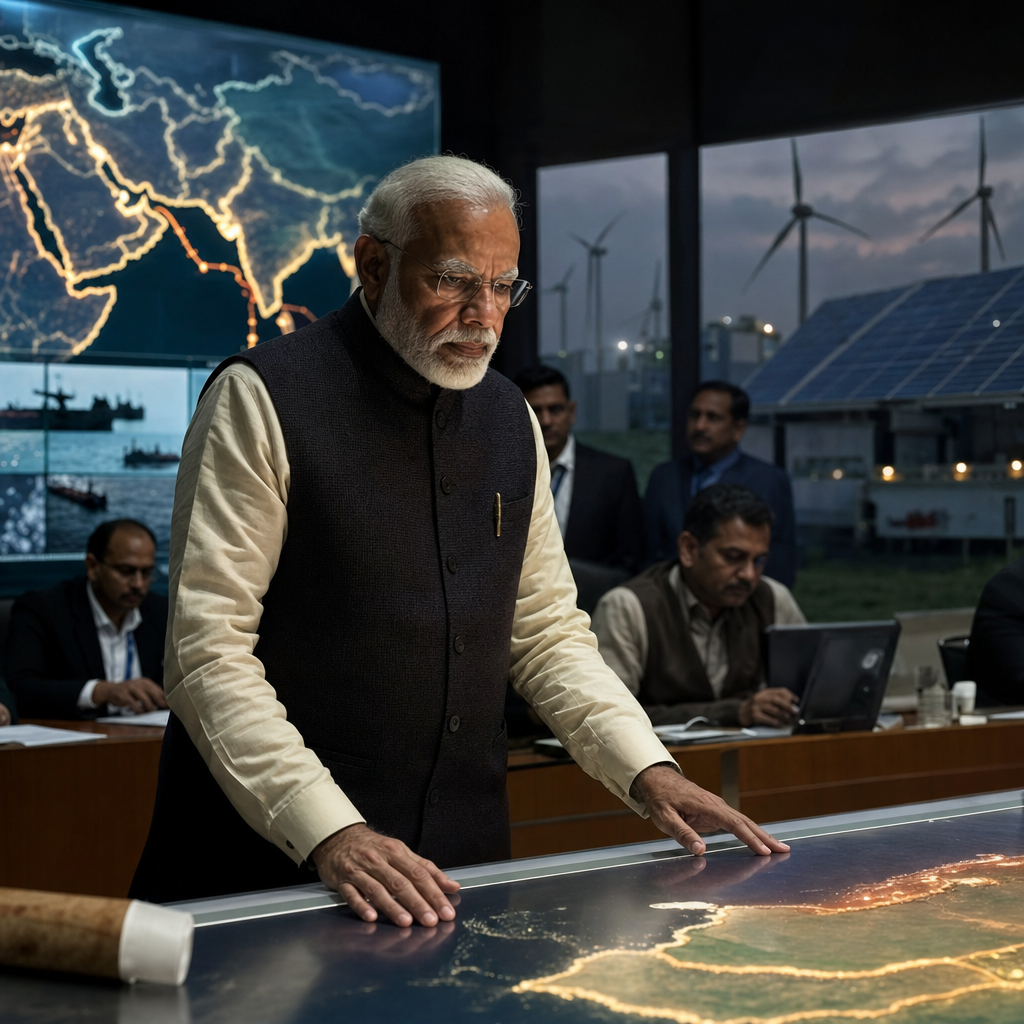
This is not a green-transition speech. It is crisis management. India still imports most of its crude and a large share of its gas, so any sustained disruption around the Strait of Hormuz goes straight into freight costs, refinery margins and inflation. That is why Modi’s instruction matters: he is telling the bureaucracy to look beyond the normal Gulf supply basket before the shock becomes a domestic political problem.  The Hindu
The government has already been operating on that logic. The Cabinet Committee on Security reviewed “immediate and long-term” counter-measures in March and directed a whole-of-government response, including diversification of imports and protection of consumer and industry interests, The Hindu reported. The same outlet said the committee discussed alternate sources for fertilisers, chemicals and petrochemicals, and adequate coal stocks for power plants. The Hindu
For  India, the key point is leverage: it does not control the chokepoints, so it is trying to diversify away from them.
The government has buffers, but they are political buffers
Officials have been trying to reassure the market that there is no immediate shortage. Defence Minister Rajnath Singh said India had 60 days of crude reserves, 60 days of natural gas and 45 days of LPG rolling stock, and that supply remained secure despite West Asia volatility. The Hindu
But the same reporting shows why Modi is pressing the issue now: the costs are already moving. Oil marketing companies are absorbing heavy under-recoveries, and fuel prices have been raised to cover losses. That means the government can cushion consumers for a while, but not indefinitely. When the shock lasts, someone pays — either the Treasury, the refiners, or households. The Hindu
The answer so far has been to widen the supply map. During Modi’s recent UAE visit, India and Abu Dhabi signed agreements on strategic petroleum reserves and LPG supply, with ADNOC also discussing expanded crude storage and trading opportunities, Reuters reported through the Straits Times. That is the real policy direction: lock in more optionality before markets tighten further.  The Straits Times
What to watch next
The next test is whether this becomes a procurement shift or stays a ministerial talking point. Watch for new crude, LPG or LNG contracts, any expansion of strategic reserves, and whether the government lets more of the cost pass through to consumers. The other date matters too: NDTV says the meeting came ahead of the June 9–10 political milestone around the Modi government’s anniversary, when a broader reshuffle or performance review could sharpen execution. If the cabinet wants to prove competence, energy security is where it will have to show it.