BJP Gains Rajya Sabha Majority After AAP Defections
Seven AAP MPs join BJP, reshaping India's legislative landscape.
Model Diplomat3 min readIndia

Modi's BJP Closes In on Rajya Sabha Majority as Seven AAP MPs Defect
Seven AAP Rajya Sabha MPs crossing to BJP on April 27 reshapes India's upper house arithmetic — and hands Modi a legislative tool he's spent a decade chasing.
Seven Aam Aadmi Party Rajya Sabha MPs defected to the BJP on April 27, delivering Narendra Modi's government a significant boost in the upper house where it has long struggled to push through legislation. The defections follow months of visible fractures inside AAP — including the ouster of senior leader Raghav Chadha as the party's Rajya Sabha deputy leader — and come just weeks after BJP-led NDA swept biennial elections that were already projected to add roughly 10 new NDA seats to the chamber.
The Arithmetic That Matters
The Rajya Sabha has long been Modi's legislative ceiling. The BJP-led NDA controls the Lok Sabha comfortably but has historically relied on issue-by-issue coalition building — or strategic delays — in the upper house. The March 2026 biennial elections, covering 37 seats across 10 states, were already forecast to lift NDA's Rajya Sabha tally by roughly 10 seats, per The Hindu's pre-election analysis. Adding seven AAP defectors on top of those gains pulls BJP materially closer to — and potentially over — the functional majority threshold needed to pass contested legislation without floor management.
The beneficiary is explicit: Prime Minister Modi and Home Minister Amit Shah, whose legislative agenda — including pending constitutional amendments and contentious federal legislation — has been periodically stalled by upper house arithmetic.
AAP's Collapse Is the Real Story
This is not simply BJP gaining strength; it is AAP structurally disintegrating. The defections follow a chain of visible implosions: Kejriwal's corruption conviction, the party's near-wipeout in the February 2026 Delhi assembly elections, and the internal war over Chadha — who was stripped of his deputy leader role and responded with barely veiled threats of "blowback," per The Hindu. AAP has now announced it will
petition Rajya Sabha Chairman Jagdeep Dhankhar to disqualify the seven MPs under the Tenth Schedule's anti-defection provisions. Senior leader Sanjay Singh argued even a two-thirds split does not legitimize the move — a claim that will now test India's anti-defection law in a high-profile setting.
The losers beyond AAP itself: the INDIA bloc opposition, which had been counting on AAP's upper house presence as part of a broader firewall. Seven fewer reliable opposition votes narrows the bloc's ability to delay or dilute BJP legislation on everything from judicial appointments to land acquisition.
What to Watch Next
The disqualification petition is the immediate pressure point. Rajya Sabha Chairman Dhankhar — a BJP-aligned figure — has discretion over how quickly to schedule a hearing. A slow walk buries the issue; a fast ruling sets precedent. Expect AAP to push this into the courts simultaneously.
Longer term, watch the monsoon session of Parliament, likely July–August 2026, as the first real test of whether BJP can now move stalled legislation it previously lacked the upper house votes to pass. If the NDA can hold its new numerical advantage together, Modi heads into the back half of his third term with more legislative room than at any prior point.
For broader context on Indian political realignment, see India and
International Affairs on Diplomat Briefing.
Discover more
India
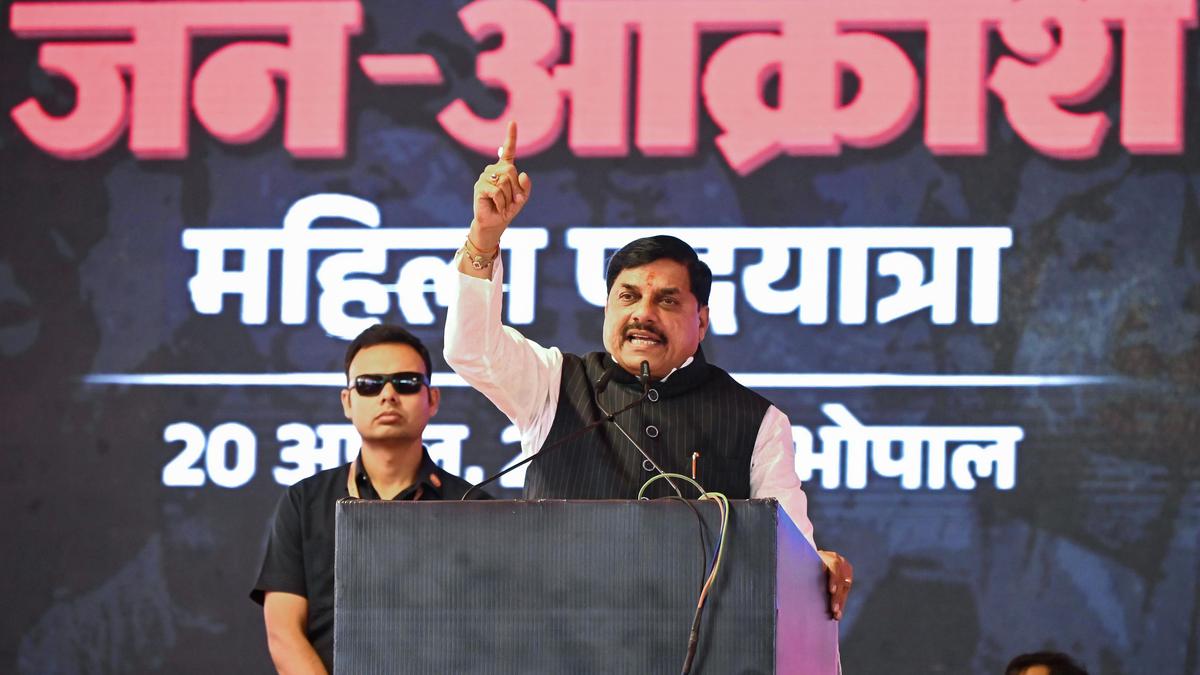
BJP Congress Clash Over MP Bill Defeat
The BJP's defeat of the women's quota amendment sparks a political narrative war with Congress, impacting future elections.

Conflict & Security
Drone Warfare Killing Aid Workers at Unprec
Over 1,000 humanitarian workers killed in three years as cheap armed drones collapse legal protections. Gaza, Sudan, Ukraine, and DRC see deliberate targeting of aid convoys and hospitals with zero prosecutions.

Global
World Normalises Taliban as Afghan Women Eras
UN data shows Afghan women erased from public life as Russia recognises the Taliban, EU hosts officials in Brussels, and ICC warrants for gender persecution go unenforced.
Conflict & Security
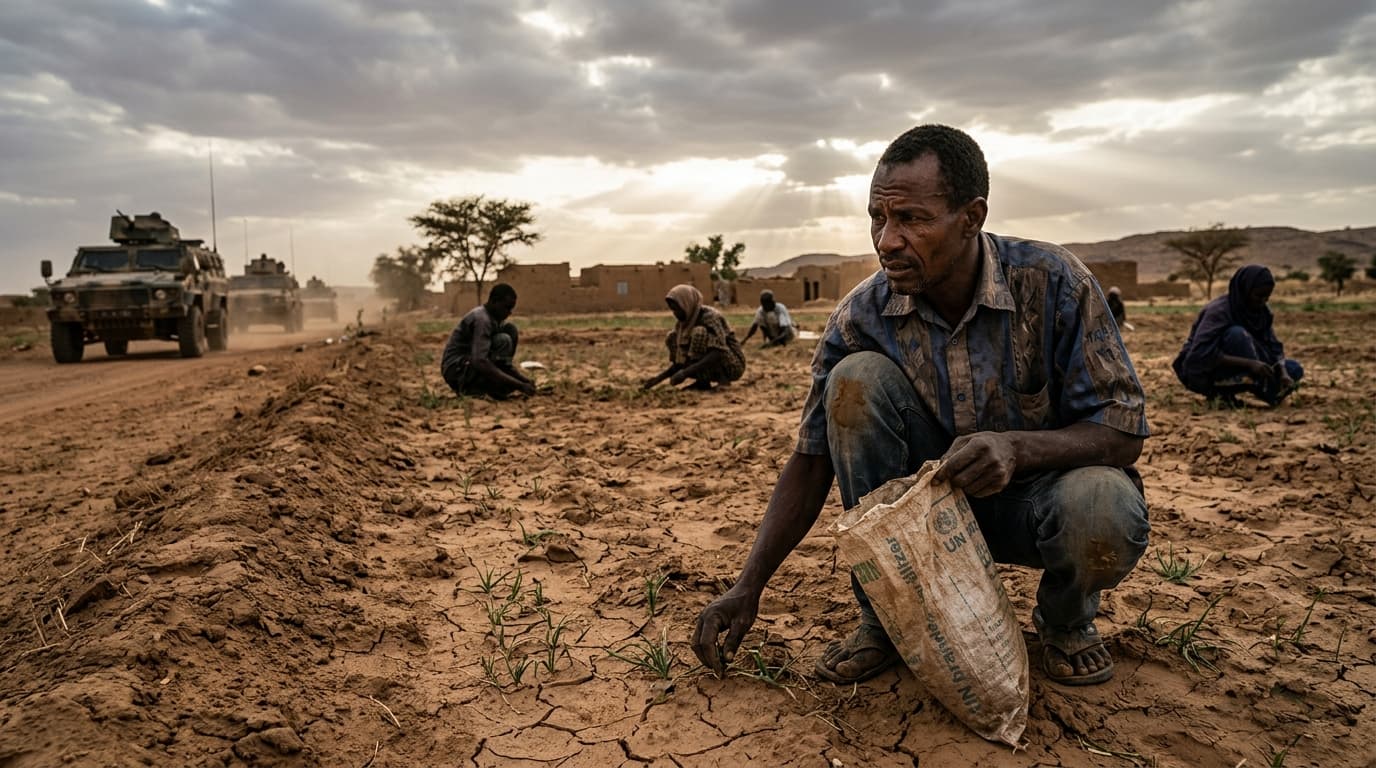
West Africa Food Crisis: Three Shocks in 2026
Conflict, climate extremes, and the Strait of Hormuz closure drive a severe food crisis in West and Central Africa, with fertilizer prices surging 80% and millions displaced.

