Modi’s Austerity Push Shows India’s Forex Squeeze
West Asia’s disruption is now a domestic discipline story: Modi wants households to conserve dollars before India’s import bill and reserves feel the full hit.
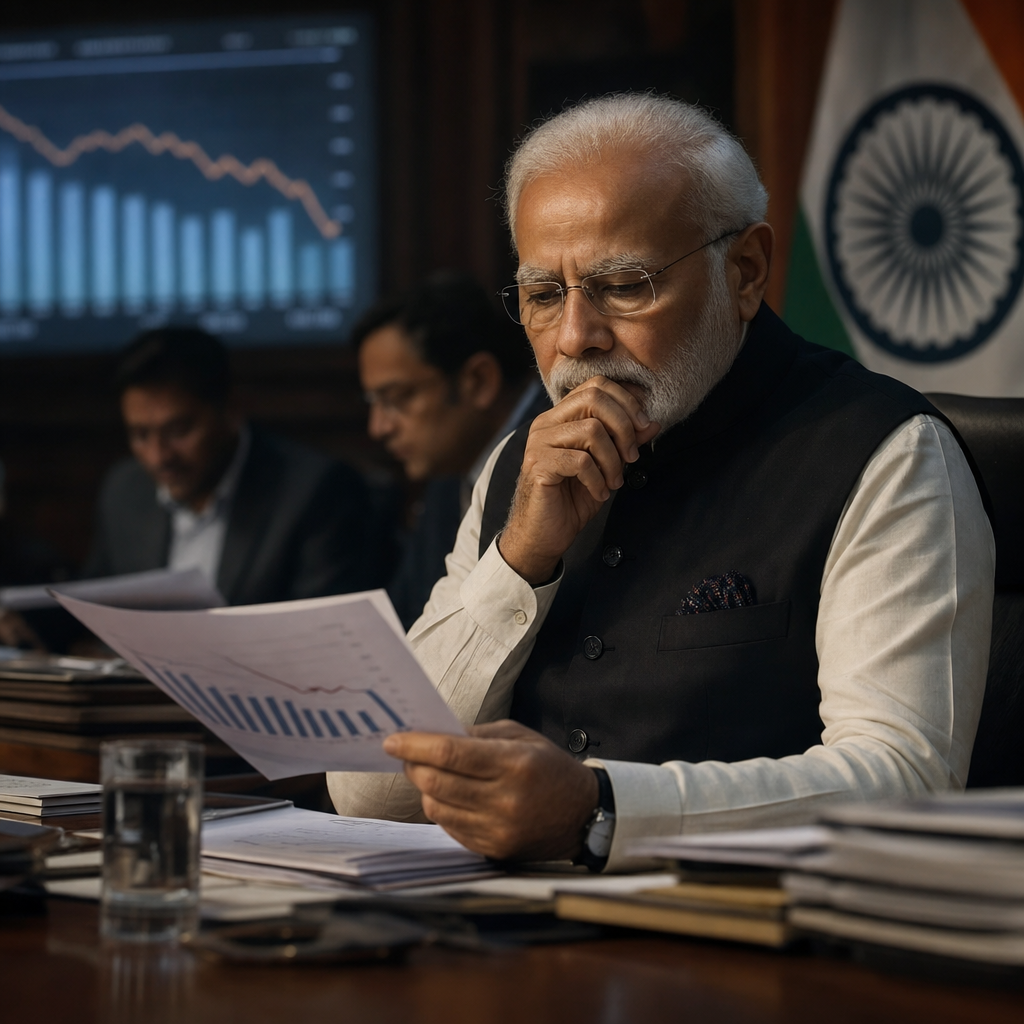
Prime Minister Narendra Modi on Monday repeated his call for Indians to revive Covid-era habits — work-from-home, virtual meetings, carpooling, lower fuel use and delayed gold purchases — warning that the West Asia conflict could become “among the biggest crises of this decade” and pressure India’s foreign exchange reserves ( The Indian Express). The message was blunt: conserve imported energy, cut discretionary foreign spending and absorb part of the shock through behavior rather than policy firefighting (The Indian Express).
The lever is public restraint
This is not just a plea for thrift. It is a signal that Delhi sees an external shock — higher crude, pricier gold, disrupted supply chains — as a macroeconomic problem that could worsen the current-account balance and strain the rupee ( The Economic Times). In that framing, the government’s leverage is political: ask households and firms to reduce demand now so the state does not have to choose immediately between a weaker currency, higher inflation or a visible price adjustment.
That is why the appeal was so specific. Modi did not just call for patriotism; he named the pressure points — petrol, diesel, gas, fertiliser, gold, overseas travel and food oil — that drain dollars out of India’s economy (The Economic Times). For a government that has spent years selling economic nationalism, this is an extension of the same playbook: turn a foreign shock into a collective consumption campaign. For broader context, see  India and Global Politics.
Who gains, who pays
The immediate winner is the government, which can frame restraint as civic duty and buy time before resorting to tougher measures. The losers are the sectors most exposed to discretionary foreign spending and imported inputs. Fortune India reported that aviation, travel and jewellery stocks came under pressure, and that the broader market lost about ₹6.52 lakh crore in market value on Monday after the renewed austerity push ( Fortune India).
That reaction matters. It shows investors understood the speech as more than rhetoric: if consumers defer gold, overseas travel and fuel-heavy mobility, the pain is not evenly distributed. Domestic brands, public transport and lower-import businesses benefit at the margin; airlines, jewellers and travel firms absorb the first hit. The political risk for Modi is smaller if this remains a short-lived wartime message. It grows if the crisis persists and households start treating the appeal as the opening of a longer squeeze on spending power.
What to watch next
The next test is whether this stays a persuasion campaign or turns into policy. Watch for any follow-on steps on fuel pricing, gold imports, foreign travel or fertiliser subsidies, and whether ministries or state-linked firms begin echoing the work-from-home message in formal guidance. If West Asia stays unstable and crude remains elevated, Modi’s appeal will look less like exhortation and more like an early warning that India is preparing for a prolonged external shock (The Indian Express; The Economic Times).