Modi's Ganga Expressway: BJP's Political Win
A strategic infrastructure project in Uttar Pradesh
Model Diplomat2 min readAsia
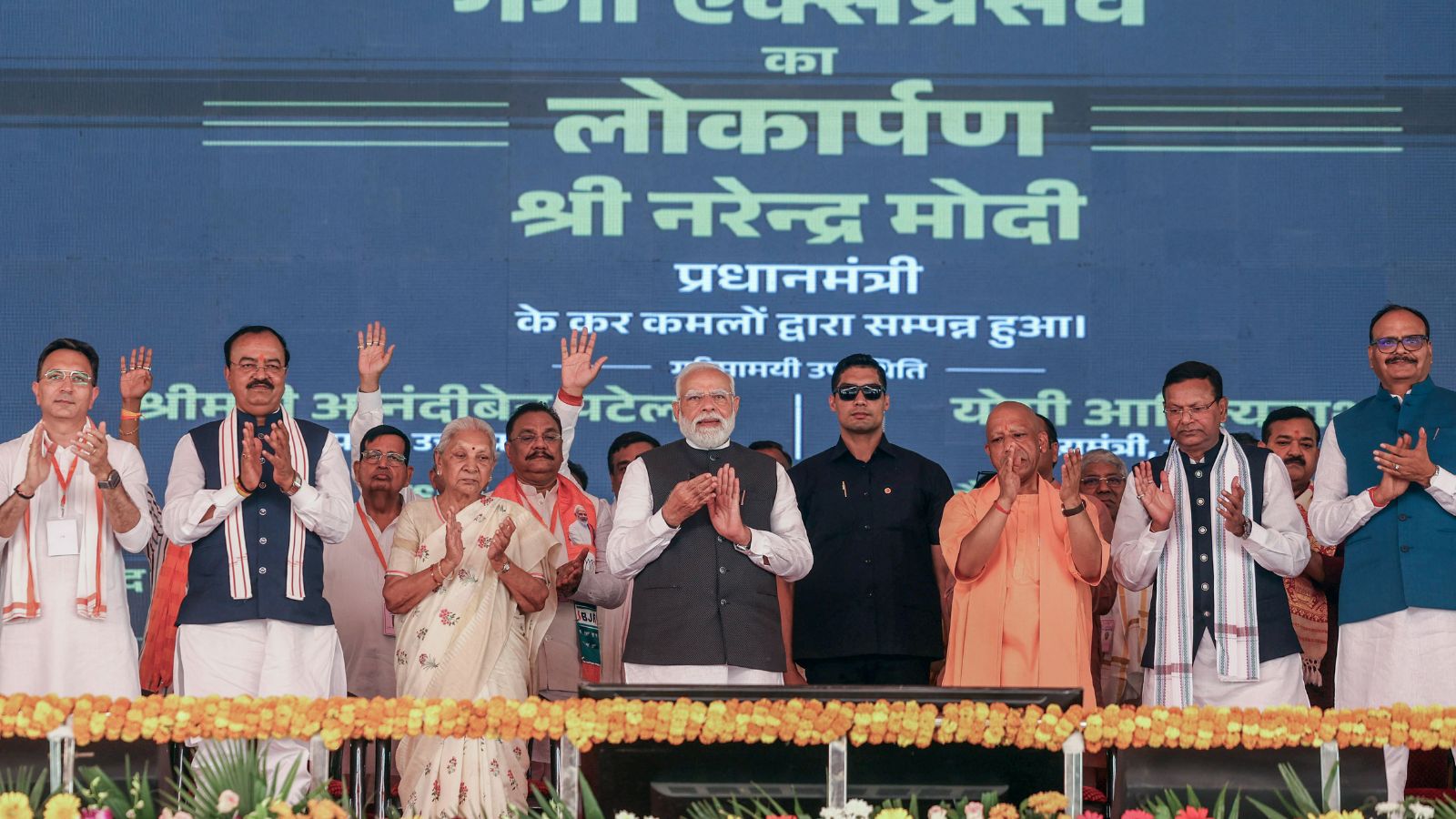
Modi turns the Ganga Expressway into a political asset
The 594-km corridor is more than road building: Modi is using it to sell the BJP’s governance model, tie growth to identity, and lock in Uttar Pradesh as a national showcase.
Prime Minister Narendra Modi inaugurated Uttar Pradesh’s 594-km Ganga Expressway in Hardoi, calling it the state’s “new lifeline” and a “blessing,” and framing the project as proof that the BJP can deliver big infrastructure on time (The Indian Express;
The Hindu). That is the real power move here: the expressway is not just a transport corridor, it is a political exhibit for the Modi-Yogi model in India’s most populous state.
A development project built for political messaging
The state says the six-lane, access-controlled greenfield corridor links 12 districts from Meerut to Prayagraj, was started after Modi laid the foundation stone in December 2021, and was completed in less than five years (The Hindu;
The Indian Express). Modi used that timeline to contrast the current government with earlier administrations, arguing that the BJP’s “double-engine” model can turn announcements into visible assets. That matters because infrastructure has become the party’s most reliable evidence of competence in Uttar Pradesh, especially where older politics revolved around identity and patronage rather than delivery.
The beneficiaries are clear. The BJP gets a state-wide showpiece. Chief Minister Yogi Adityanath gets another symbol of execution. Contractors, logistics firms, and industrial developers get a new corridor for land values and investment. The losers are the opposition parties, which now have to argue against a road that is physically there and politically popular.
Why this corridor matters beyond the ribbon-cutting
On paper, the expressway is about speed and market access. Modi said it would help farmers reach larger markets and support cold storage, logistics and industrial growth across western, central and eastern Uttar Pradesh (The Indian Express). The Hindu reported that the route also includes a 3.5-km emergency landing facility in Shahjahanpur, giving it a strategic dimension beyond commerce (
The Hindu). That combination—mobility, logistics, and security—explains why the project is being sold as national infrastructure, not just a state road.
The larger implication is that Uttar Pradesh is being stitched into a single economic and political grid. Modi linked the corridor to industrial corridors, defence manufacturing, mobile phone production and the state’s $1 trillion economy target (The Indian Express;
The Hindu). In other words, the expressway is meant to convert geography into political consent: faster roads, more factories, more jobs, and a stronger BJP narrative.
What to watch next
The next test is execution. Watch whether feeder links, industrial nodes and the promised extension toward Haridwar move from announcement to procurement and land acquisition. Also watch whether the state keeps the highway accessible and useful for ordinary users; the Uttar Pradesh government has already announced a 15-day toll-free window, a sign it wants immediate public goodwill around the launch (The Hindu). In
India, this is how infrastructure becomes politics: first the concrete, then the claim.
Discover more
India
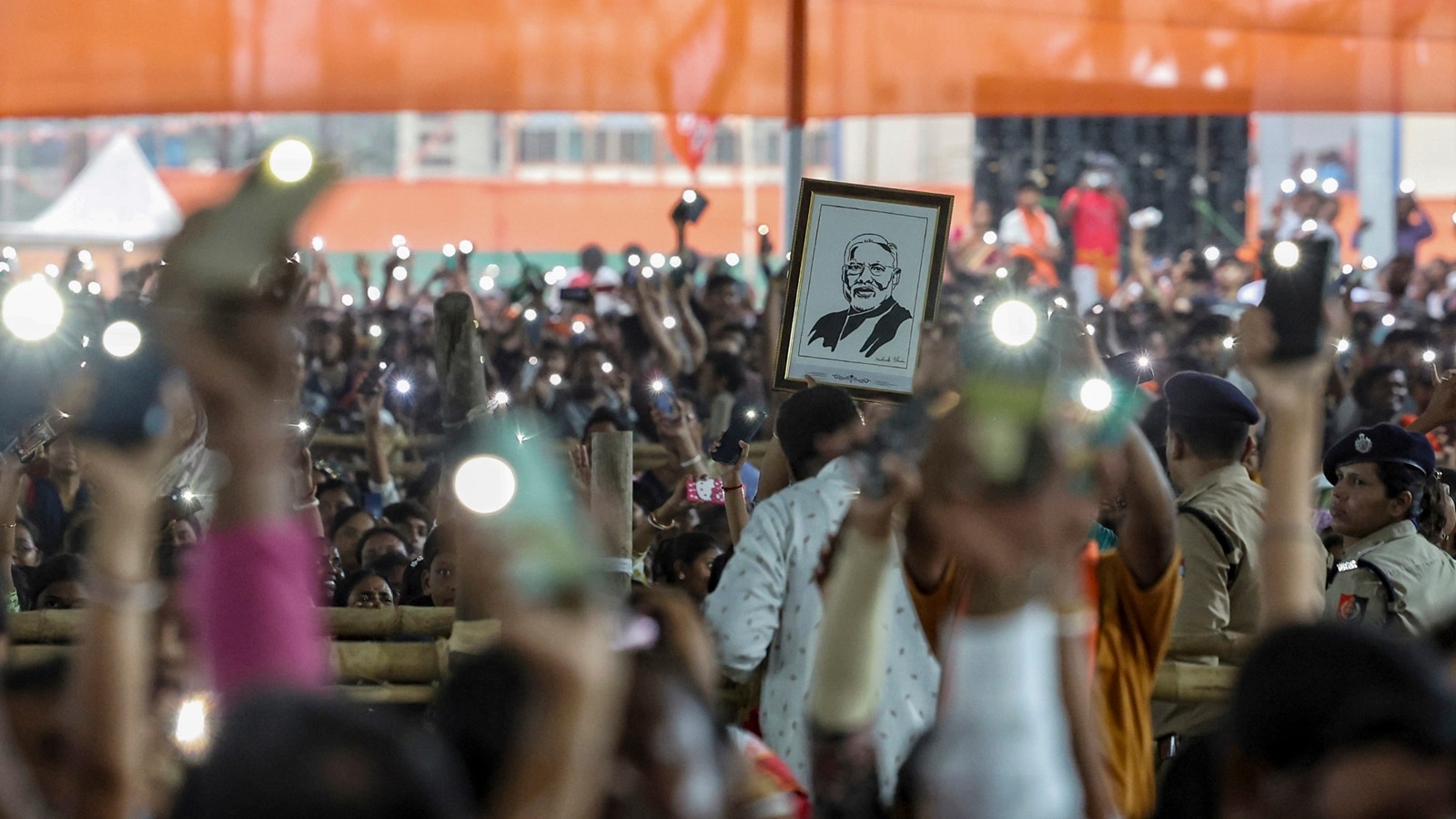
Modi's Women’s Convention in Varanasi
PM Modi's upcoming women’s convention in Varanasi aims to boost support ahead of West Bengal elections, highlighting women's empowerment initiatives.
India
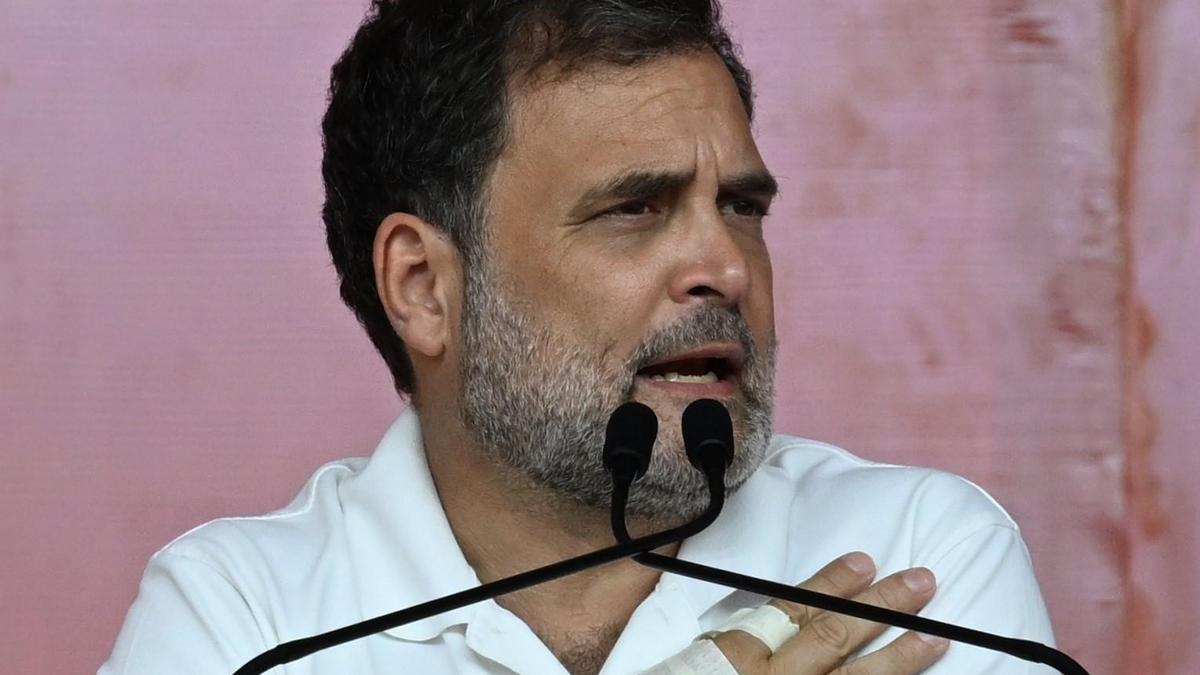
Rajnath Singh's Durga Squad for 2026 Polls
Rajnath Singh's 'Durga Squad' initiative targets women's safety ahead of Assembly Elections 2026, contrasting with Rahul Gandhi's southern campaign.
India
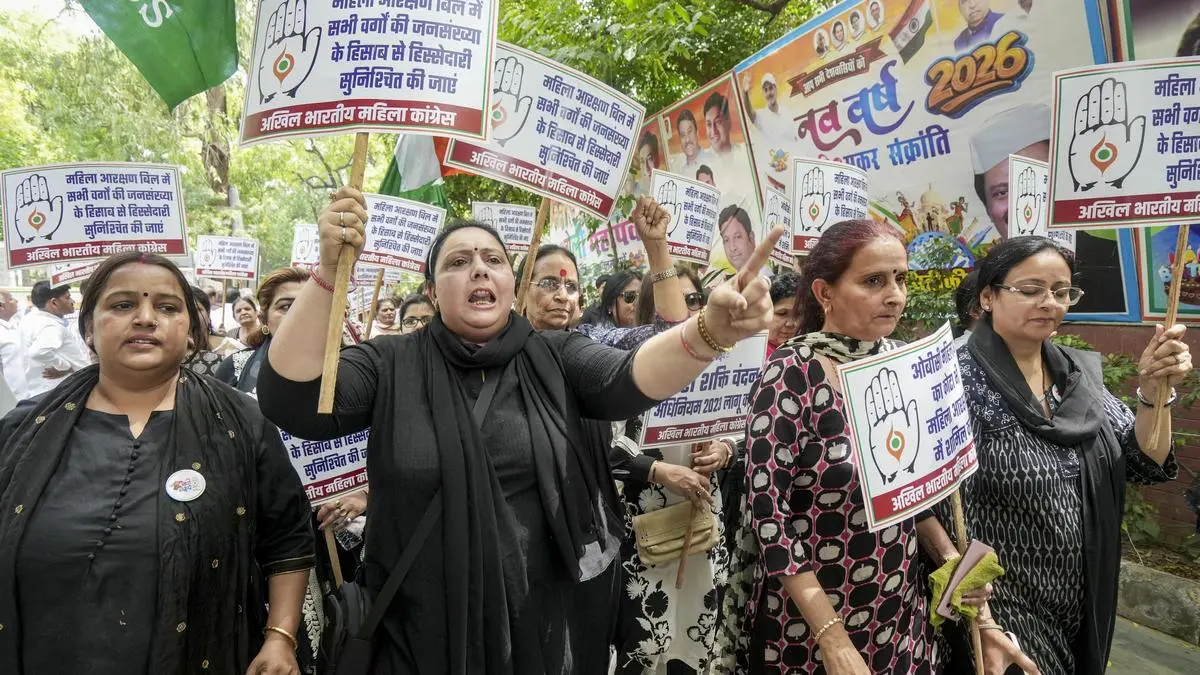
BJP's Misunderstanding of Women's Quota Needs
The BJP's linkage of the Women Reservation Bill to delimitation risks delaying women's empowerment in India, misreading their political needs.
India
India Rejects Zardari's Mosque Comments
India's MEA rebukes Zardari's mosque comments, citing Pakistan's human rights record.