Modi's Freight Strategy: Ports and Rail Upg
Delhi prioritizes freight throughput with new projects.
Model Diplomat2 min readAsia
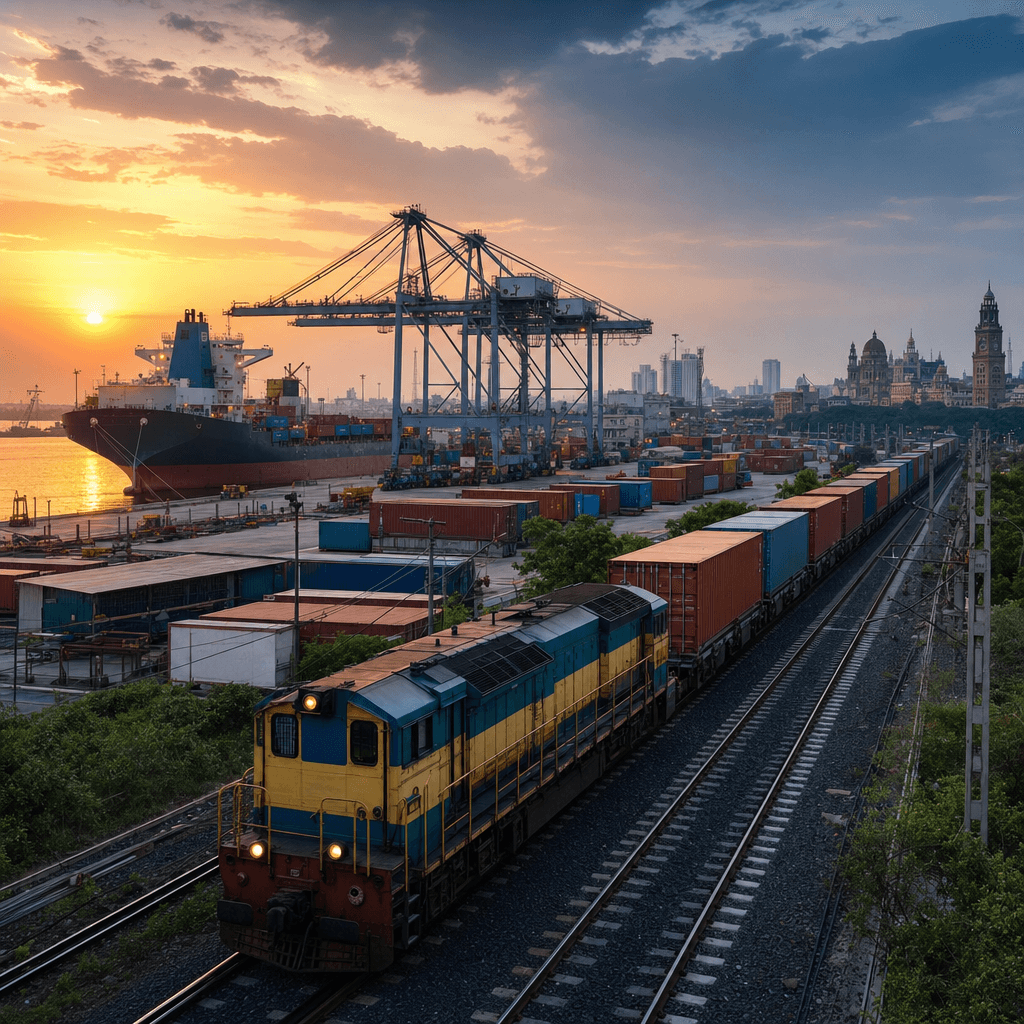
Modi Bets on Ports and Rail to Cut Freight Friction
Gujarat’s new ship-repair facility and three rail expansions show Delhi prioritising freight throughput, not just ribbon-cutting.
The Centre has paired a ₹1,570 crore ship-repair facility in Vadinar, Gujarat, with three railway multi-tracking projects worth ₹23,437 crore across six states. The logic is straightforward: remove the bottlenecks that slow cargo movement between ports, factories and inland markets, rather than wait for a single mega-infrastructure fix. The Indian Express
The Hindu
The Hindu
What Delhi is buying
The Gujarat piece is not just industrial symbolism. The Vadinar project is a brownfield ship-repair facility tied to Deendayal Port Authority and Cochin Shipyard Limited, which means the Centre is trying to build domestic maintenance capacity for large vessels rather than depend on foreign yards. That matters for turnaround time, foreign exchange outflow and port competitiveness on the western coast. The Hindu
The rail package is the bigger congestion-relief play. The three projects will add about 901 km to the network and are spread across Madhya Pradesh, Rajasthan, Uttar Pradesh, Karnataka, Andhra Pradesh and Telangana. The beneficiaries are freight-heavy corridors moving coal, cement, minerals and containers; the losers are the same corridors’ current users, who will still live with delays until the lines are actually built. The Hindu
Why it matters
This is the latest iteration of the government’s India logistics strategy: use public capital to clear chokepoints that raise logistics costs. The Ministry has already framed similar rail approvals as a response to “congestion” and “improve safety,” and earlier 2026 approvals showed why that language matters: one key corridor was operating at 108% utilisation, with train detention of 90-150 minutes.
The Hindu
That tells you where the political economy sits. Exporters, port operators, steel and cement producers, and industrial states gain from faster train paths and lower dwell time. The Centre also gains a cleaner narrative on jobs and logistics efficiency without committing to one politically fragile mega-project. Gujarat benefits on the maritime side now; on the rail side, it is not the main winner in this package, which shows the government is targeting national network pressure points rather than distributing projects evenly. The Indian Express
The Hindu
What to watch next
Watch the implementation calendar, not the announcements. The rail projects run to 2030-31, so the real test is land acquisition, tendering and whether the Railways can keep these corridors on schedule. On the maritime side, watch for the operating model at Vadinar: who supplies the technology, how fast the facility comes online, and whether it becomes a template for more port-linked industrial investment. The Hindu
Discover more

India
India-South Korea $50B Trade Expansion Plan
India and South Korea target $50 billion in trade, enhancing economic cooperation amid shifting global dynamics.
India
Modi's Women’s Convention in Varanasi
PM Modi's upcoming women’s convention in Varanasi aims to boost support ahead of West Bengal elections, highlighting women's empowerment initiatives.
Global Politics
Iran Demands US Enforce Ceasefire
Iran insists the US must enforce a ceasefire in Lebanon to uphold the MoU.
India
India Takes Vice-Presidency at FATF
India's Vivek Aggarwal becomes FATF vice president, paving the way for future leadership.