Maharashtra's Stricter Parole for Sex Offense
Fadnavis advocates for tougher parole laws in Maharashtra.
Model Diplomat2 min readAsia
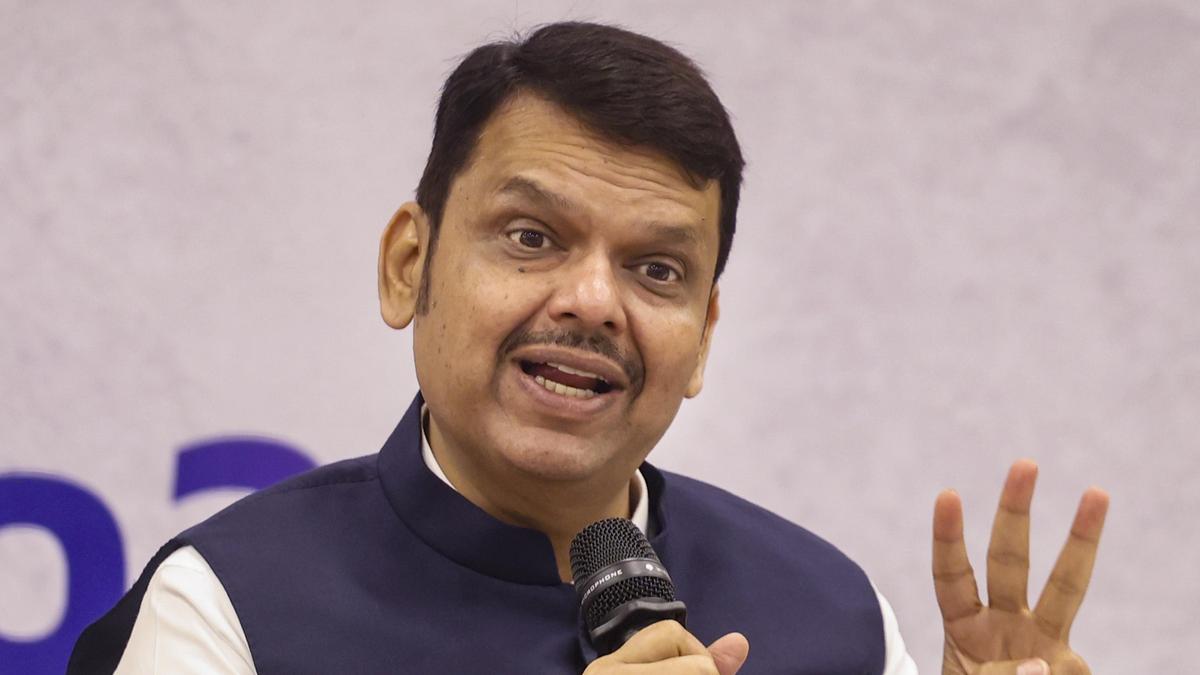
Maharashtra Tightens Grip on Sex Offender Parole
Fadnavis pushes for stricter parole laws for sex offenders, signaling a tough stance on public safety.
Maharashtra Deputy Chief Minister Devendra Fadnavis has directed the drafting of a new law to severely restrict parole for individuals convicted of sex offenses. This move signals a significant tightening of judicial and executive policy towards sexual offenders, aiming to address public safety concerns and potentially political pressure. The proposed legislation targets a core aspect of the criminal justice system’s rehabilitative and punitive balance, prioritizing public security over existing parole provisions for this specific category of convicts.
The decision comes at a time when public discourse in India often focuses on the efficacy of existing laws in preventing recidivism and ensuring victim safety in cases of sexual violence. Fadnavis, a former Chief Minister and a prominent figure within the BJP, wields considerable influence in the state’s administration. This initiative appears to leverage his political capital to enact a policy shift that resonates with a public demand for harsher measures against sex offenders. The power dynamic here clearly favors the state government in dictating legislative priorities, particularly when framed as a response to community safety needs.
This legislative push will likely benefit victims and their families through a perceived increase in offender accountability and a reduction in the risk of re-offending by individuals on parole. Conversely, sex offenders will face considerably more stringent conditions, potentially leading to longer periods of incarceration or significantly curtailed freedoms upon release. Legal experts may also face challenges in reconciling these new restrictions with established human rights frameworks and judicial interpretations of rehabilitation and post-conviction rights.
The next critical phase will be the actual drafting of the law and its passage through the Maharashtra legislature. Key areas to watch include the specific criteria for parole denial, any exceptions that might be included, and the potential for legal challenges based on constitutional grounds. The parliamentary session dates and the specific provisions within the proposed bill will dictate the timeline and the ultimate impact of this policy shift.
Discover more
India
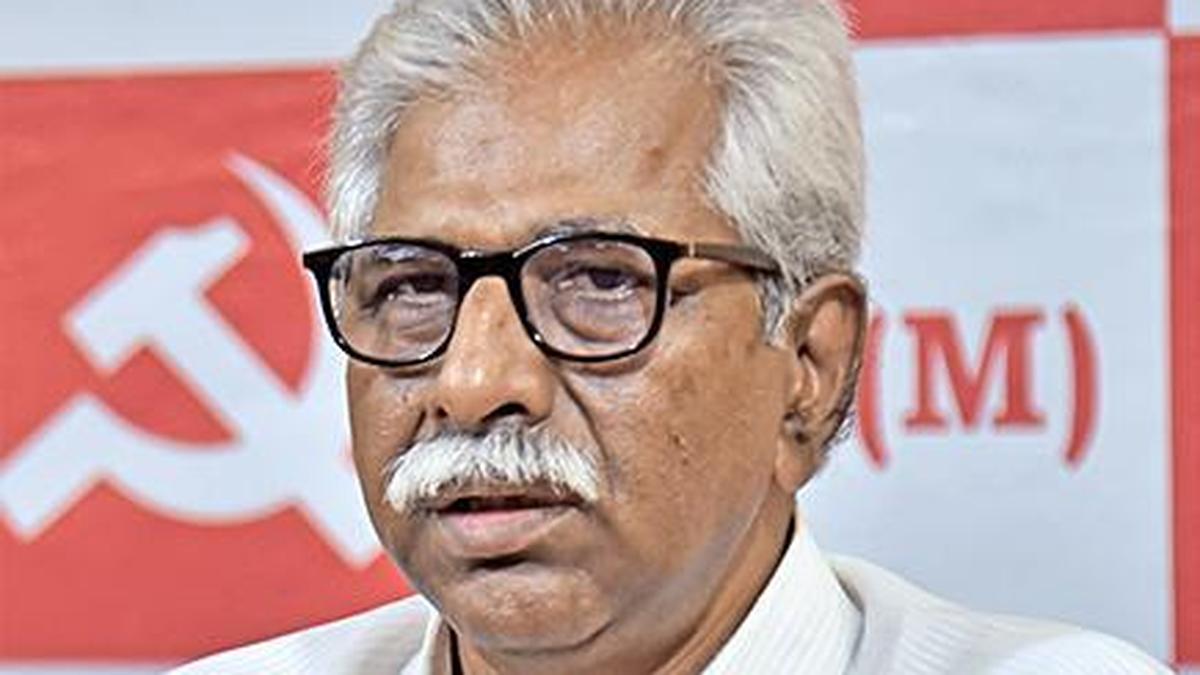
CPI(M) Calls to Decouple Quota from Delimita
CPI(M) advocates for a 33% women's quota in Lok Sabha by 2029, removing the need for delimitation and census linkage.
India
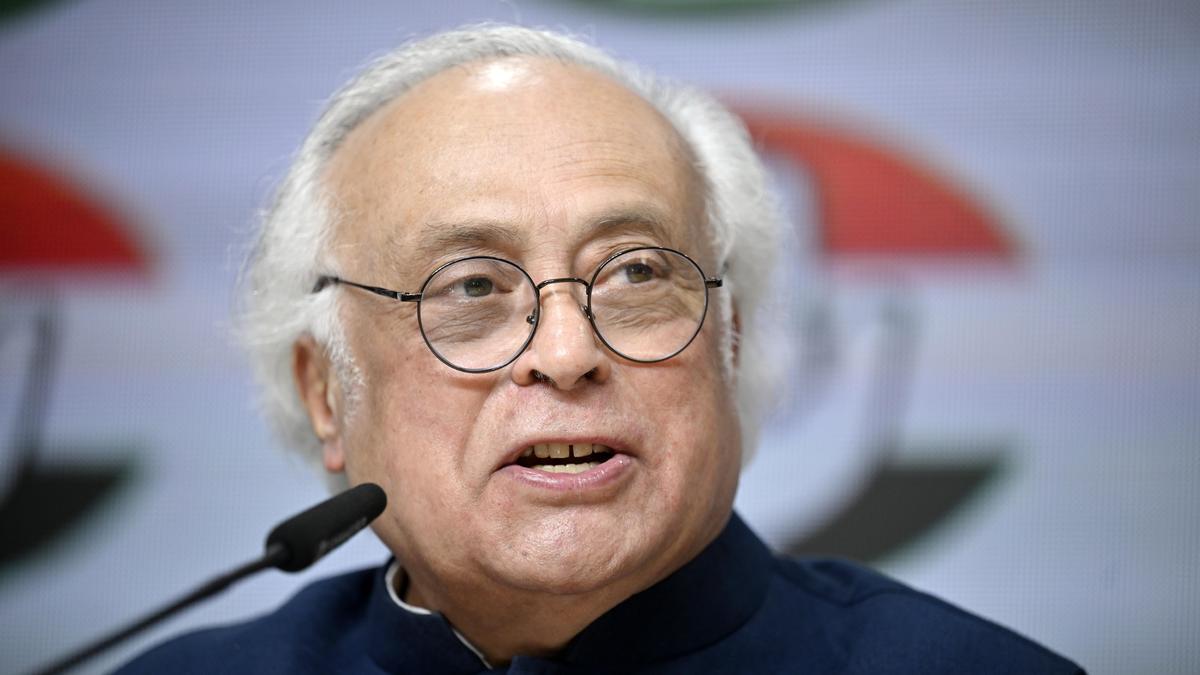
Congress Accuses Modi of Stalling Women's Law
Congress accuses Modi of stalling women's reservation law by linking it to delimitation, revealing a deeper electoral strategy.
India
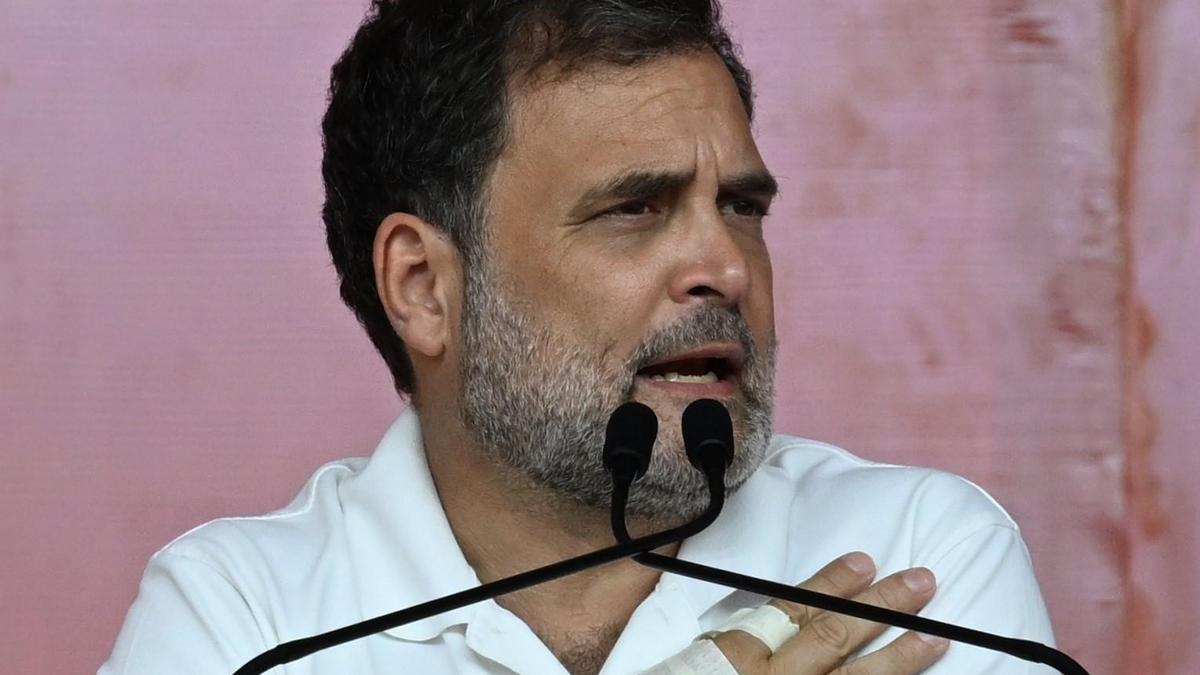
Rajnath Singh's Durga Squad for 2026 Polls
Rajnath Singh's Durga Squad promised women's safety in Bengal but has since disappeared from the agenda, revealing BJP's true priorities.

Conflict & Security
Drone Warfare Killing Aid Workers at Unprec
Over 1,000 humanitarian workers killed in three years as cheap armed drones collapse legal protections. Gaza, Sudan, Ukraine, and DRC see deliberate targeting of aid convoys and hospitals with zero prosecutions.