Maharashtra's New Parole Rules for Sex Offend
Stricter rules for parole following a high-profile crime
Model Diplomat2 min readAsia
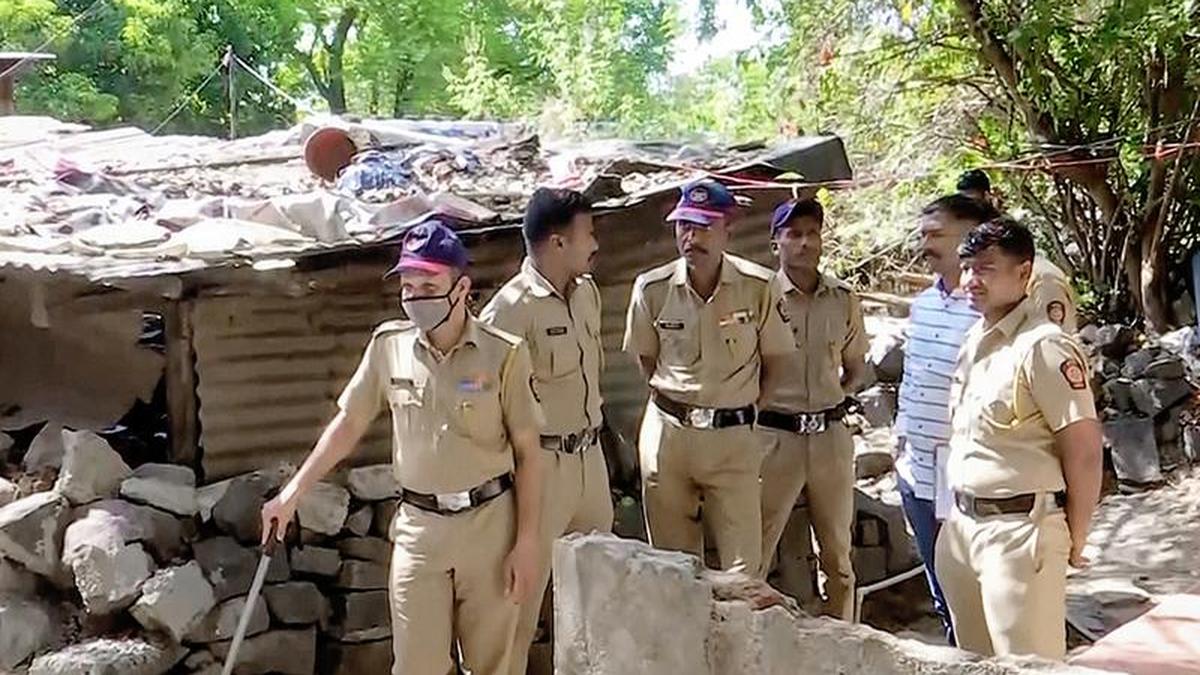
Maharashtra Targets Parole for Sex Offenders After Pune Case
Fadnavis is using a brutal case to tighten prison rules, trading correctional discretion for political control and public reassurance.
Maharashtra Chief Minister Devendra Fadnavis has ordered officials to draft stricter rules to deny parole to people convicted of sexual offences, after a 65-year-old man with prior sexual offence allegations was accused of raping and murdering a four-year-old girl in Pune district. The state is trying to close a gap in prison administration before it becomes a larger political liability. The Hindu
Power play: the state wants control, fast
The leverage sits with the Maharashtra government, which can rewrite prison and parole rules without waiting for Parliament. In practical terms, this is a move to make parole less discretionary for a category of prisoners that is politically toxic and easy to justify targeting. The immediate beneficiary is the state leadership: it can say it is acting on public outrage and protecting children, especially after a case that police say involved repeated prior allegations against the accused. The Hindu
This is also a signal to the prison bureaucracy. If parole decisions are seen as too permissive, the government is willing to harden the rules rather than defend individual case-by-case judgment. That matters because parole in India is not a constitutional right; it is an administrative release mechanism meant to balance rehabilitation, family needs and public safety. The Hindu
Why this matters beyond one case
Maharashtra already tightened parole rules in 2016, barring regular parole for convicts including rapists, murderers and those convicted of sexual offences against minors. Fadnavis’s latest move suggests that even that framework is now being judged insufficient in the political aftermath of a high-profile crime. The Hindu
The legal tension is obvious: correctional policy is supposed to consider rehabilitation and prison decongestion, and the Supreme Court has previously backed Maharashtra’s ability to classify prisoners for interim release during extraordinary circumstances like COVID-19. But the Court has also been pushing harder in sexual offence cases on victim safety and the risk of intimidation, which gives the state political cover even if a broader parole bar later invites legal challenge. The Hindu
The Hindu
For India watchers, the wider pattern is clear: states are increasingly using prison policy as a fast-response tool after sexual violence cases, even when the legal architecture already contains safeguards. That helps governments politically, but it also shifts the system away from individualized assessment and toward categorical exclusion.
What to watch next
The next decision point is whether Maharashtra issues a formal draft notification and how far it goes: a narrow bar on convicted sex offenders, or a broader restriction that also captures parole pending appeal and emergency release. If the rules are published, expect immediate scrutiny in the Bombay High Court over proportionality and overbreadth. The date that matters is the state’s next cabinet or gazette step — that is when rhetoric becomes enforceable policy.
Discover more
India
CPI(M) Calls to Decouple Quota from Delimita
CPI(M) demands the Indian government to separate quota policies from delimitation to enhance representation for marginalized communities.
India
Rajnath Singh's Durga Squad for 2026 Polls
Rajnath Singh's 'Durga Squad' initiative targets women's safety ahead of Assembly Elections 2026, contrasting with Rahul Gandhi's southern campaign.
India
BJP's Misunderstanding of Women's Quota Needs
The BJP's linkage of the Women Reservation Bill to delimitation risks delaying women's empowerment in India, misreading their political needs.
Global Politics
Iran Demands US Enforce Ceasefire
Iran insists the US must enforce a ceasefire in Lebanon to uphold the MoU.