Madyar's Drones Threaten Russia's Victory Day
Ukraine's drone commander reshapes Russia's Victory Day.
Model Diplomat3 min readEurope
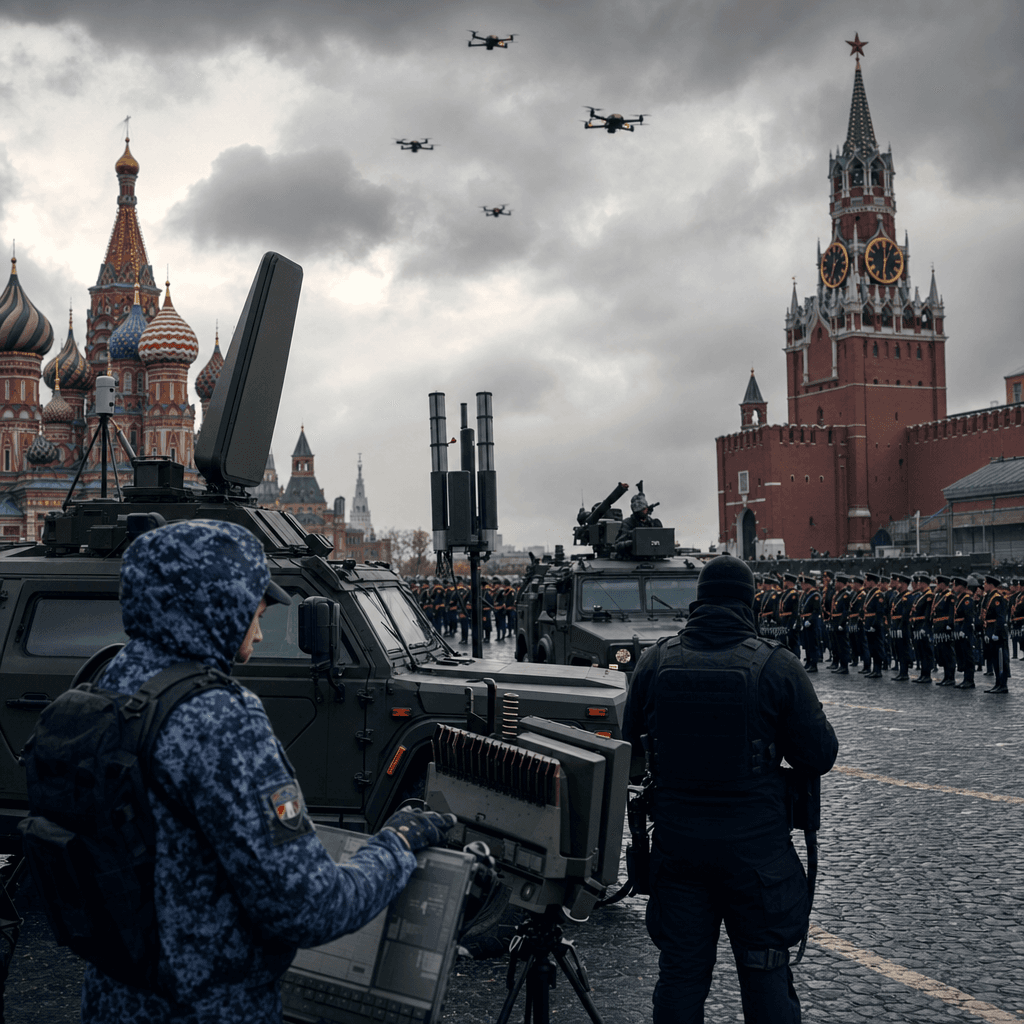
Madyar Turns Russia’s Parade Into a Security Problem
Ukraine’s drone commander is forcing Moscow to shrink Victory Day pageantry, showing how long-range strikes now shape the war’s political theater.
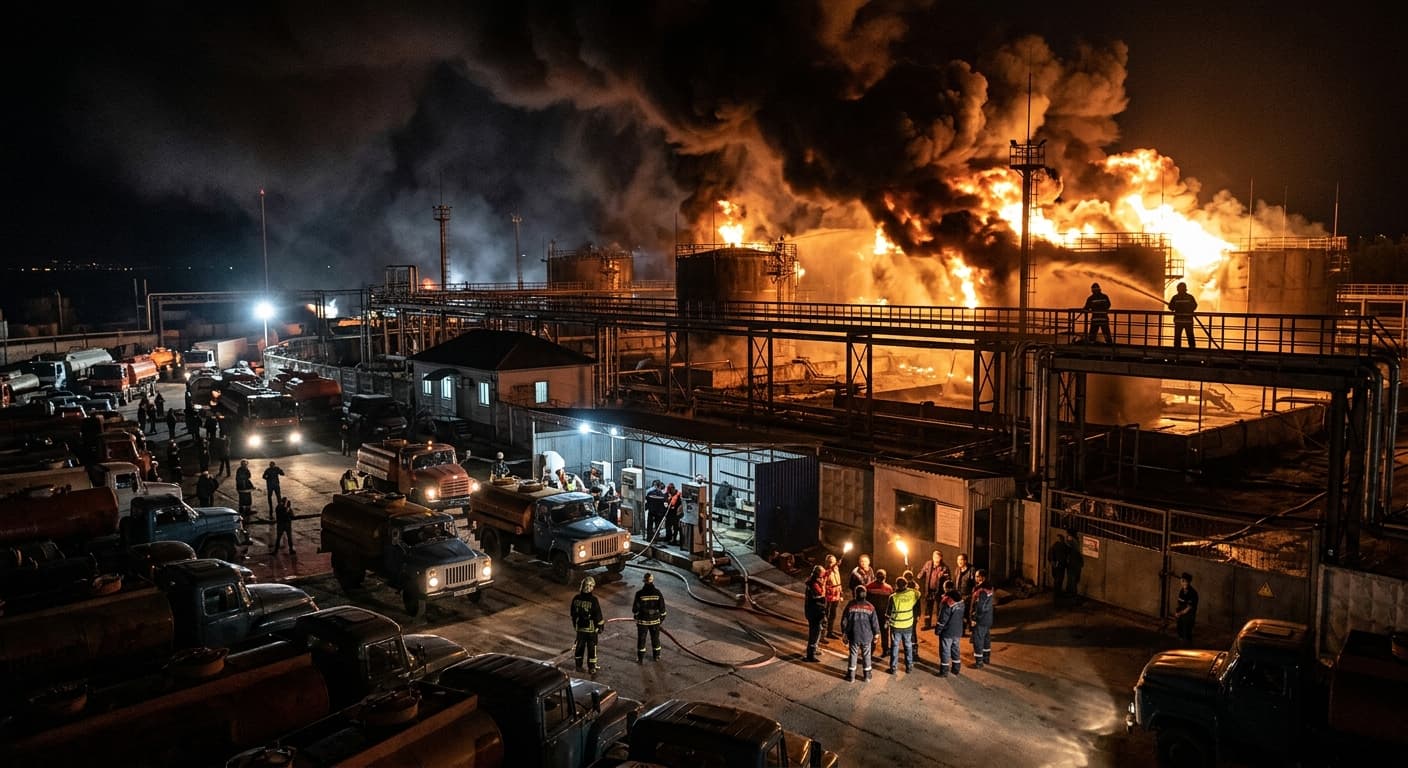
Ukraine has turned Russia’s Victory Day into a vulnerability test. In The Guardian, Robert Brovdi — better known as “Madyar” — is presented as the face of that shift: commander of Ukraine’s drone forces, publicly comfortable with deep strikes on Russian oil, ports and military infrastructure, and confident that even a limited hit would matter more than the size of the blast. The point is leverage, not spectacle. If Moscow feels compelled to scale back the parade, Kyiv already has a political effect.
Ukraine’s drones are now a pressure tool, not just a battlefield tool
Brovdi’s value to Ukraine is that he converts cheap systems into strategic pain. BBC News says his forces are hitting targets as far as 1,500-2,000 km inside Russia, and that he argues the aim is to deny Vladimir Putin “headline victories” while forcing Russian commanders to defend the rear as well as the front. In the same interview, Brovdi says Ukraine is trying to kill more soldiers each month than Russia can recruit, a blunt measure of the war’s new arithmetic. That is the real story behind the parade scare: drones are no longer a niche weapon, but a way to tax Russian logistics, morale and air defenses at scale. Russia is being forced to spend costly resources to protect symbols as well as bases.
This is why the symbolism of Red Square matters so much. NPR’s Associated Press dispatch says the Kremlin’s Victory Day parade has been pared back for security reasons, with Moscow warning of Ukrainian disruption and threatening retaliation if Kyiv interferes. The same report notes that the parade will go ahead without tanks and other military hardware for the first time in nearly two decades. That is a reputational loss for Putin, who has used Victory Day as proof that the state can still command order, force and continuity. When that display shrinks, so does the message. On
Conflict, this is the pattern to watch: the weaker side often wins by making the stronger side’s rituals look brittle.
Who benefits, and who pays
Ukraine benefits in three ways. First, its drone campaign forces Russia to defend a far wider rear area. Second, it creates a propaganda inversion: Moscow spends Victory Day explaining threats rather than projecting confidence. Third, it strengthens Brovdi’s own model of war, which prizes attrition of infrastructure and manpower over territorial spectacle. Russia loses on the same three fronts: it has to protect energy assets, absorb disruption to transport and communications, and explain to its own public why the capital needs extraordinary precautions just to hold a parade.
The effect is bigger than one holiday. The Guardian describes Brovdi arguing that Ukraine can hurt Russia by “crashing its economy” through repeated strikes on the systems that fund the war. That is the strategic bet: if drones can keep oil, refineries and military plants under pressure, Moscow’s war machine becomes more expensive to run and harder to celebrate. This is a war over throughput, not just trenches.
What to watch next
The next decision point is May 9: whether Ukraine tries to visibly disrupt Victory Day, whether Russia tightens internet restrictions and air defenses further, and whether the Kremlin keeps lowering the profile of its own military pageantry. If the parade passes quietly but shabbily, that still counts as a Ukrainian win. If there is a drone incident, Moscow will answer with claims of escalation and probably another round of internal security measures. Either way, Brovdi’s message has already landed: the rear is no longer safe.
Discover more
Global
Kyiv's Empty Quiver: Ankara Summit on NATO
As Russia strikes Kyiv, NATO's Ankara summit must address Ukraine's urgent air defense needs amid dwindling interceptor supplies.
International Relations
Ukraine Drone Strikes Crimea Power Grid
Ukrainian drone strikes targeting Crimea's power grid signal a strategic shift, aiming to disrupt Russian logistics by hitting critical energy infrastructure.
Conflict & Security
Russia Encircles Konstantinovka—Key to Donbas
Russia's encirclement of Konstantinovka could unlock the wider Donbas for further advances, marking a pivotal moment in its grinding eastern offensive.
Conflict & Security
Ukraine's Energy Offensive Hits Crimea
Ukraine's drone campaign is disrupting Russian fuel supplies and forcing rationing in Crimea, turning energy infrastructure into a key front of the war.