King Charles III's U.S. Visit Amid Trump Turm
A royal visit coincides with critical U.S. political deadlines.
Model Diplomat3 min readNorth America

Charles Addresses Congress as Trump Wrestles Two Fights at Home
King Charles III's first U.S. state visit since 2007 lands as Republicans face a hard deadline on FISA and DHS funding — testing Trump's domestic leverage.
King Charles III and Queen Camilla touched down in Washington on April 27, beginning a four-day state visit framed around the 250th anniversary of the Declaration of Independence. The symbolism is deliberate: Charles is scheduled to deliver only the second address to a joint session of Congress ever made by a British monarch, with aides signalling he will speak of "reconciliation and renewal" and acknowledge points of difference with the current U.S. administration. The backdrop — an Oval Office meeting with Trump, a White House state dinner, and stops in New York at the 9/11 Memorial — is as choreographed as it is consequential.
The Diplomatic Math
The visit is a net win for both sides, but the gains are asymmetric. London needs it more. U.S.-U.K. relations have been strained by disagreements over Iran policy, NATO burden-sharing, and tariffs imposed under Trump's second-term trade agenda. A state dinner and a Congressional address buy Prime Minister Keir Starmer goodwill in Washington at a moment when a bilateral trade deal remains unsigned. For Trump, hosting a reigning monarch with global media attention is political spectacle that costs nothing domestically — and a rare moment of conventional foreign-policy optics in an otherwise disruptive second term.
Charles's framing — acknowledging "differences" before stressing shared values — is a careful needle-thread. The King cannot openly criticize U.S. policy, but the constitutional monarchy's diplomatic currency is precisely its ability to project continuity across administrations. His appearance before Congress sends a signal to European allies watching the transatlantic relationship for cracks.
The Domestic Pressure Cooker
While the cameras track the royals, Republicans on Capitol Hill face a harder deadline. The Senate passed a short-term FISA reauthorization only until April 30 after chaotic House votes nearly let the surveillance authority lapse entirely, according to the Washington Post. That two-day window now intersects with unresolved DHS funding — a collision that exposes the persistent fault line between the House Freedom Caucus (which wants surveillance reforms and spending cuts) and Senate Republicans who prioritize clean reauthorizations to protect intelligence operations.
Trump holds leverage over both fights, but spending political capital on a state visit while Congress teeters creates a coordination risk. The US Politics dynamic here is straightforward: leadership needs a win on FISA before the clock runs out or the intelligence community faces a genuine operational gap.
What to Watch
- April 30: FISA authority expires. A second lapse in days would be a significant embarrassment for Republican leadership and a vulnerability Trump's critics will exploit.
- Charles's Congressional address (April 28, 3:00 pm ET): The specific language around trade and NATO will be parsed by European capitals looking for signals on whether London has secured any quiet commitments.
- April 29, New York: Charles and Camilla at the 9/11 Memorial with first responders — the visit's most emotionally resonant moment, and the one most likely to drive the lasting image of the trip.
The royal visit is the headline; the FISA clock is the story.
Discover more

International Relations
Pakistan's Key Role in US-Israel-Iran Meddle
Pakistan is seeking to mediate the US-Israel-Iran conflict, balancing high-stakes diplomacy against severe economic pressures and steep regional challenges.

Conflict & Security
Drone Warfare Killing Aid Workers at Unprec
Over 1,000 humanitarian workers killed in three years as cheap armed drones collapse legal protections. Gaza, Sudan, Ukraine, and DRC see deliberate targeting of aid convoys and hospitals with zero prosecutions.
Global
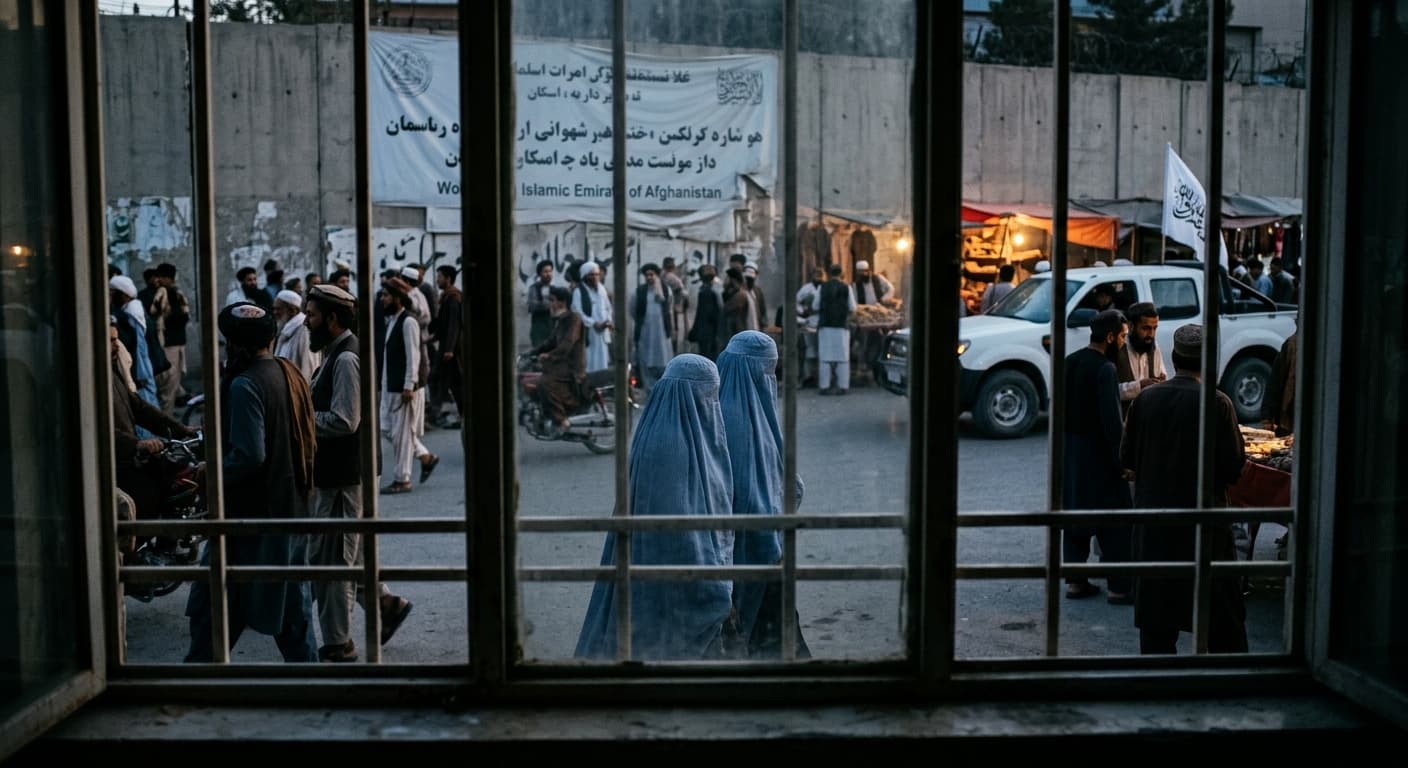
World Normalises Taliban as Afghan Women Eras
UN data shows Afghan women erased from public life as Russia recognises the Taliban, EU hosts officials in Brussels, and ICC warrants for gender persecution go unenforced.
Conflict & Security
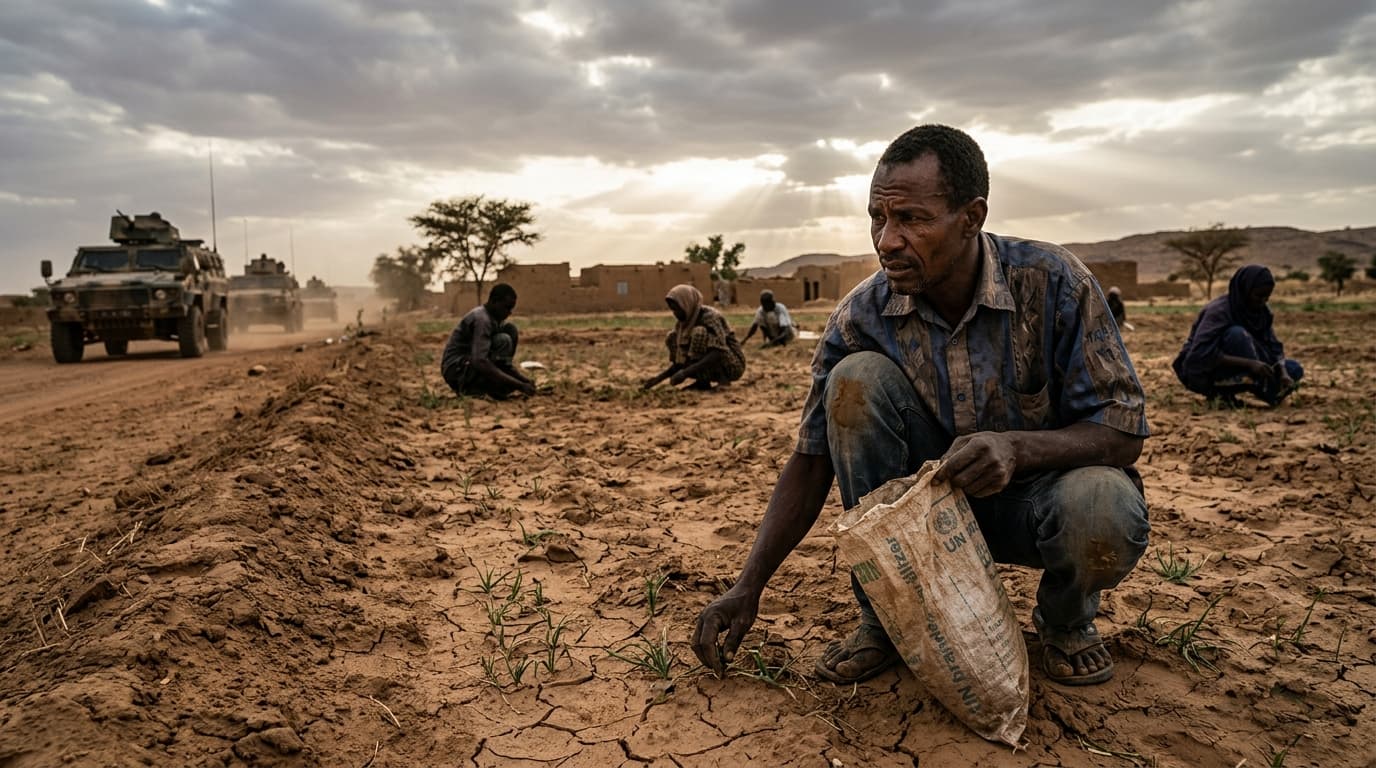
West Africa Food Crisis: Three Shocks in 2026
Conflict, climate extremes, and the Strait of Hormuz closure drive a severe food crisis in West and Central Africa, with fertilizer prices surging 80% and millions displaced.