Kevin Warsh's Fed Nomination
Warsh faces Senate hurdles amid Fed's internal divisions.
Model Diplomat3 min readNorth America
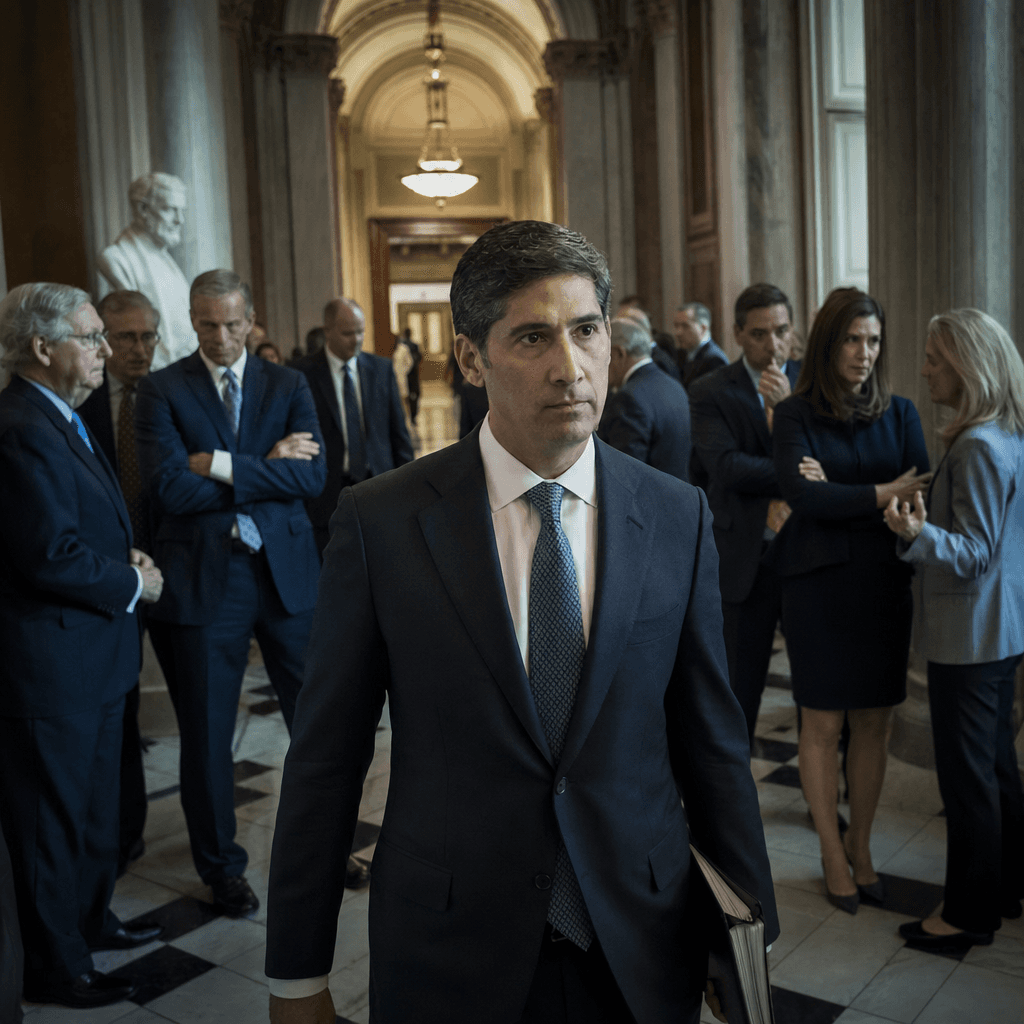
Kevin Warsh's Fed Fight: Trump's Deregulation Bid Runs Into a House Divided
Trump's pick for Fed chair faces a fractured central bank, a skeptical Senate, and a deregulation mandate that may be harder to execute than anyone in the White House admits.
Kevin Warsh — Trump's nominee to succeed Jerome Powell as Fed chair — walked into his Senate Banking Committee hearing last week pledging independence from the White House even as Trump publicly renewed demands for immediate rate cuts. That contradiction isn't incidental. It defines exactly the trap Warsh would inherit if confirmed.
The deeper problem, per reporting from the Washington Post, isn't the confirmation math — it's what Warsh would find on the other side of it. Internal divisions at the Fed over Trump's deregulatory agenda mean the institution he'd be inheriting is already fracturing along ideological lines, well before a new chair arrives to push it further.
The Deregulation Mandate — and Its Limits
Trump's Wall Street agenda centers on rolling back post-2008 capital requirements — specifically the Basel III "endgame" rules that the Biden-era Fed had already softened under industry pressure. Large banks, led by JPMorgan's Jamie Dimon, have lobbied aggressively against GSIB capital surcharges and broader leverage constraints. Warsh's philosophy — a leaner Fed, reduced balance-sheet interventionism — broadly aligns with that agenda.
But the Fed's board structure creates a structural ceiling. Governors serve 14-year terms, and not every current member is a Trump appointee. Warsh would need to build consensus on the Federal Open Market Committee and the Board of Governors for any significant regulatory rewrite. Per CNN's confirmation preview, Warsh himself signaled a more disciplined, restrained institution — one that may actually resist the White House's rate-cut pressure even while loosening capital rules. That's a difficult two-track posture to sustain politically.
The Senate Obstacle
Warsh's confirmation path is not clean. Sen. Thom Tillis — a Republican — has withheld support, linking his vote to an unresolved DOJ investigation into Powell's congressional testimony and the Fed's building renovation controversy, per The Globe and Mail. Democrats are unified in opposition, probing Warsh's past rate positions and his roughly $100 million asset portfolio, portions of which remain undisclosed — a conflict-of-interest exposure for a regulator overseeing the institutions he may have invested in.
The margin is thin. One Republican defection could stall the nomination entirely, handing Powell — whose term as chair runs to May 2026 — an unexpected extension of influence over the regulatory agenda Trump wants dismantled.
Who Benefits, Who Loses
Winners if Warsh is confirmed and deregulation advances: major U.S. banks (JPMorgan, Goldman, BofA) facing lighter capital burdens; private credit markets seeking reduced oversight; Trump's donor base on Wall Street.
Losers: smaller regional banks and credit unions that can't absorb the competitive asymmetry a loosened big-bank regime creates; international regulators watching U.S. divergence from Basel III undermine global standard-setting.
What to Watch Next
Powell's term as Fed chair expires in May 2026. If Warsh isn't confirmed by then, the Senate impasse hands the White House a political crisis — and may force Trump to either recess-appoint Warsh (legally contested) or accept a caretaker arrangement. Watch Tillis's vote as the decisive signal. On deregulation specifically, the first indicator of real momentum will be whether the Fed's vice chair for supervision — a separate confirmable position — moves to formally reopen Basel III capital rule proceedings before Warsh even takes the chair's seat. That's the bureaucratic play that actually matters for US Politics in the months ahead.
Discover more
Global Politics
Trump's Conflicting Messages on Iran War
Trump's mixed messages on Iran reflect a strategy of audience management, benefiting Tehran amid a complex geopolitical landscape.

Conflict & Security
Drone Warfare Killing Aid Workers at Unprec
Over 1,000 humanitarian workers killed in three years as cheap armed drones collapse legal protections. Gaza, Sudan, Ukraine, and DRC see deliberate targeting of aid convoys and hospitals with zero prosecutions.

Global
World Normalises Taliban as Afghan Women Eras
UN data shows Afghan women erased from public life as Russia recognises the Taliban, EU hosts officials in Brussels, and ICC warrants for gender persecution go unenforced.
Conflict & Security
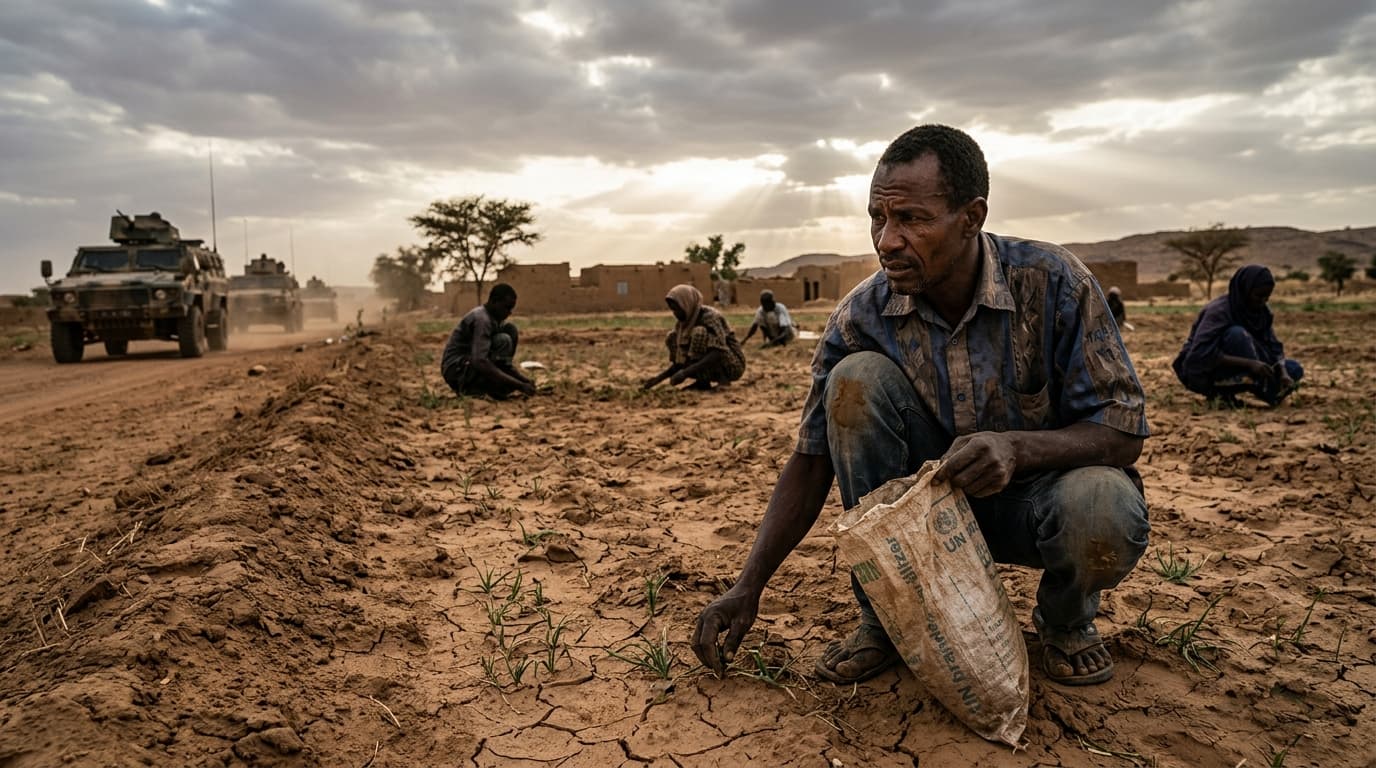
West Africa Food Crisis: Three Shocks in 2026
Conflict, climate extremes, and the Strait of Hormuz closure drive a severe food crisis in West and Central Africa, with fertilizer prices surging 80% and millions displaced.