Kerala's 2026 Heatwave
Exploring Kerala's severe heat and water emergency in 2026
Model Diplomat3 min readKerala
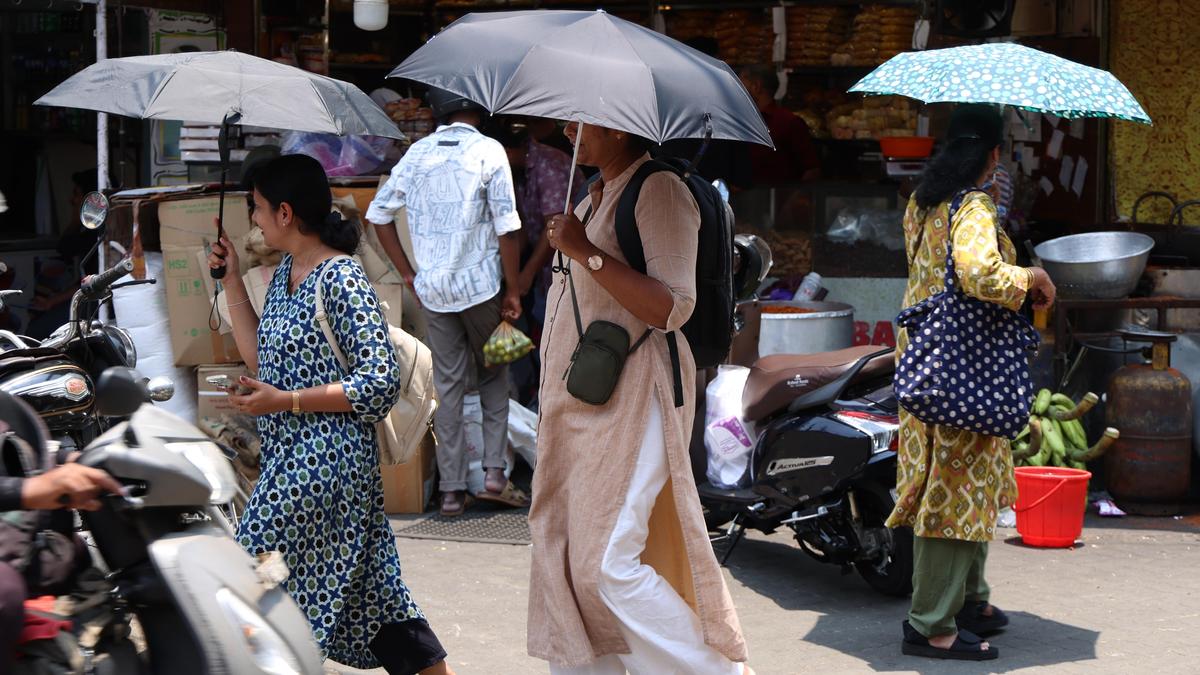
Kerala's Hidden Climate Crisis: Heat, Humidity, and Dry Rivers
Kerala's 2026 heatwave is more than a weather event — it's exposing the state's fragile water infrastructure and a widening public health gap.
Kerala is burning — and unusually, that's not a metaphor. On April 10, 2026, Palakkad recorded 40.1°C, the first time the state crossed the 40°C threshold in the current heatwave. More alarming than the headline figure is what humidity does to it: Punalur's "feels like" temperature hit 60°C at 78% humidity. That's not dry northern Indian heat — it's a physiological wall that the human body cannot safely endure outdoors.
A Crisis Stacked on a Crisis
The heat is compounding an already severe water emergency. The Pampa, Manimala, and Achankovil rivers — the lifeline of Central Travancore and Pathanamthitta — have run dry or been reduced to shallow, stagnant pools as of late April. Wells are receding across three districts. Riverside residents are digging into rocky crevices for water.
This is not just bad luck. Summer rainfall is running 38% below the long-term average — 61.1 mm received against an expected 98.7 mm — according to The Hindu's meteorological reporting. Last year saw a significant rainfall surplus; this year's swing in the opposite direction has left the state with no buffer.
The public health dimension is acute. Health Minister Veena George has opened heatstroke clinics and issued advisories against outdoor exposure between 11 AM and 3 PM. But medical experts warn the most vulnerable — the elderly, those with chronic kidney disease, patients on multiple medications — face disproportionate risk because high-humidity heat impairs thermoregulation far more aggressively than dry heat. Kerala's heat stress risk profile is structurally different from the rest of India, and the response frameworks haven't fully caught up.
Why This Is a Governance Problem, Not Just a Weather Problem
Kerala has long traded on its human development credentials — high literacy, strong public health infrastructure, relatively low poverty. The current crisis tests whether those institutions can handle climate stress at scale. The evidence so far is mixed. Heatstroke clinics are a reactive measure; what's absent is any visible state-level heat action plan equivalent to what Ahmedabad or Odisha built after their respective mass-casualty events.
The water scarcity angle cuts deeper into India's broader climate adaptation deficit. Kerala's rivers are rain-fed and short — they have almost no storage capacity relative to demand. A summer rainfall deficit of 38% is therefore not a marginal inconvenience; it directly translates into a drinking water emergency within weeks. The state's dependence on the monsoon, expected to arrive in early June, means relief is still five to six weeks away.
Who loses most: Daily-wage outdoor workers, smallholder farmers in the high ranges, and elderly residents in low-income households without air conditioning — none of whom feature prominently in the policy conversation.
Who holds the leverage: The India Meteorological Department's pre-monsoon forecasts and the Central Water Commission's reservoir management decisions will determine how badly this deteriorates before June.
What to Watch
The critical date is the IMD's updated Southwest Monsoon onset forecast, due in early May. A delayed onset — even by two weeks — would push the water crisis into acute territory across multiple districts. Watch also for whether the Kerala government requests central disaster relief funds under the State Disaster Response Fund, which would signal the crisis has moved beyond routine heat management into declared emergency territory.
Discover more
India
Women’s Reservation Bill 2026
The Constitution (131st Amendment) Bill, 2026 was defeated in Lok Sabha, revealing deeper political conflicts over women's reservation and delimitation.
India
Rajnath Singh's Durga Squad for 2026 Polls
Rajnath Singh's Durga Squad promised women's safety in Bengal but has since disappeared from the agenda, revealing BJP's true priorities.

Conflict & Security
Drone Warfare Killing Aid Workers at Unprec
Over 1,000 humanitarian workers killed in three years as cheap armed drones collapse legal protections. Gaza, Sudan, Ukraine, and DRC see deliberate targeting of aid convoys and hospitals with zero prosecutions.

Global
World Normalises Taliban as Afghan Women Eras
UN data shows Afghan women erased from public life as Russia recognises the Taliban, EU hosts officials in Brussels, and ICC warrants for gender persecution go unenforced.