Israeli Forces Shield West Bank Settlers
UN report reveals complicity in settler violence
Model Diplomat3 min readMiddle East
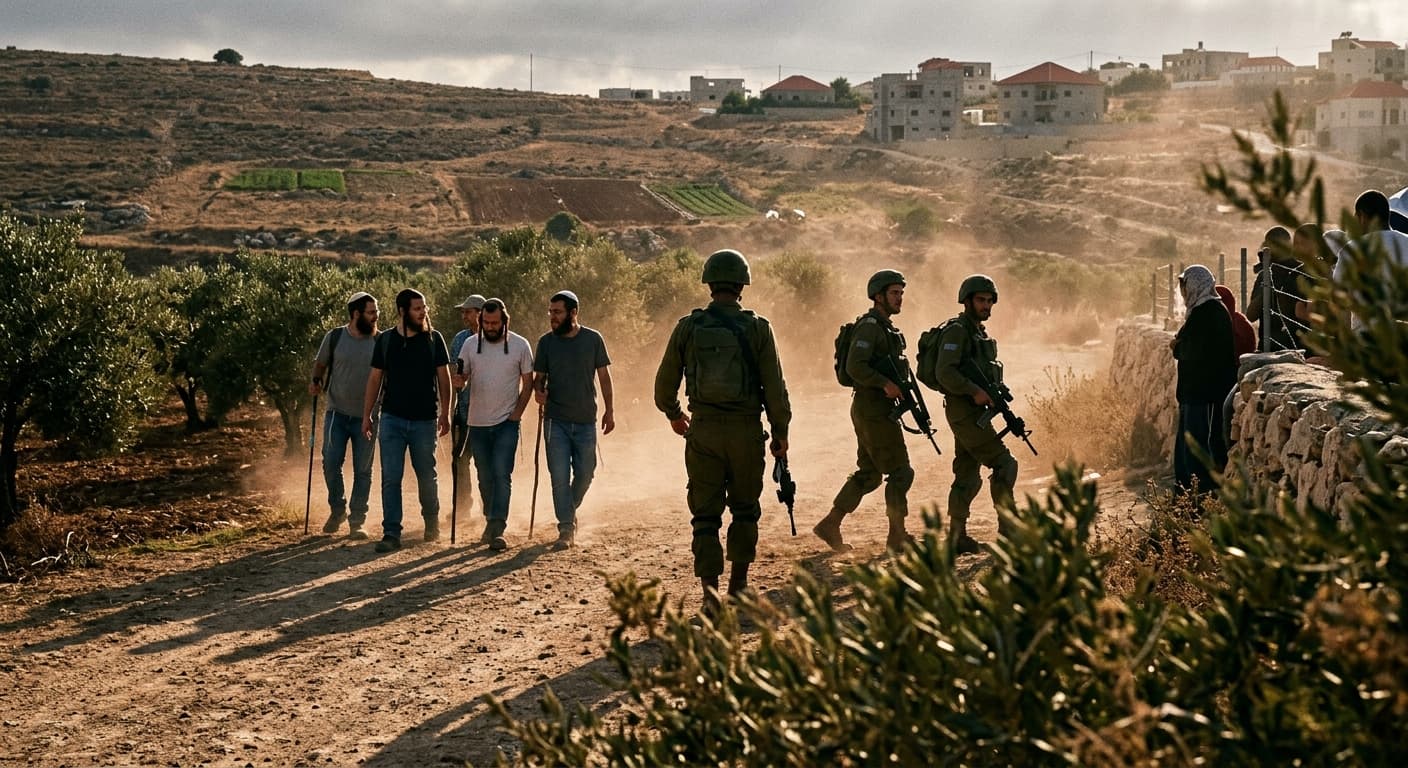
Israeli Forces Shield West Bank Settlers, UN Inquiry Claims
A new UN report details deep-state complicity in settler violence, while Israel’s cabinet legalizes dozens of outposts in the occupied West Bank.
A U.N. Commission of Inquiry has formally accused Israeli security forces of actively participating in and shielding settler violence against Palestinians in the occupied West Bank, according to Al Jazeera. Released on June 9, 2026, the report concludes that the military and state apparatus have abandoned their peacekeeping duties, effectively eliminating the boundary between state forces and vigilante actors to accelerate land seizures. While Israeli officials dismissed these findings as "unsubstantiated," the documentation presents a systematic pattern of military-backed coercion that alters the demographic reality on the ground in the ongoing
conflict. The inquiry highlights that the increasing participation of security forces has led to a de facto collapse of the distinction between settlers and soldiers.
State-Backed Annexation and Impunity
Amnesty International has corroborated these findings, reporting that the displacement of Palestinians is a deliberate, state-led strategy of ethnic cleansing rather than the actions of rogue individuals, according to 234Radio. According to the UN, settler attacks have surged by 130% since 2023, resulting in at least seven deaths and 832 injuries over the past year alone, as reported by Swiss outlet
Blue News. Far-right cabinet ministers have distributed military-grade equipment to settlers, while courts and military commanders routinely ignore judicial protection orders for Palestinian villages. This state-sponsored impunity allows settlers to target farming communities, establishing illegal outposts that are subsequently retroactively legalized by the Israeli cabinet. The Netanyahu administration holds the primary leverage here, utilizing localized violence as a low-cost tool to expand Area C settlements without deploying official military annexation decrees that would trigger sharper international condemnation.
Symmetrical Abuses and West Bank Expansion
In an effort to maintain diplomatic balance, the UN commission also reported on serious abuses within the Gaza Strip, determining that Hamas-affiliated forces committed war crimes, including executions and severe physical violence against civilians, during 2024 and 2025, according to The Straits Times. However, the immediate geopolitical impact of the report centers on the West Bank, where settlement coordination is reaching unprecedented levels. Land-grabbing tactics are generating record displacement, with more than 2,200 Palestinians forced from their homes this year due to settler violence and state-imposed access restrictions, as reported by
Free Malaysia Today. This systematic pressure is successfully pushing Bedouin herders and rural farmers out of strategic Area C territory, suggesting that systematic land-clearing is permanently altering the demographic balance.
What to Watch Next
The key decision point to watch is whether Western allies will expand their sanctions regimes beyond individual extremist settlers to target state institutions. While the European Union and the United States have previously sanctioned individual settlers, they have avoided penalizing the state bodies and security personnel identified in the report. The next major test will be at the U.N. Security Council, which faces mounting pressure to act on the commission’s recommendations, though any binding resolution is highly likely to encounter a United States veto.
Discover more
India
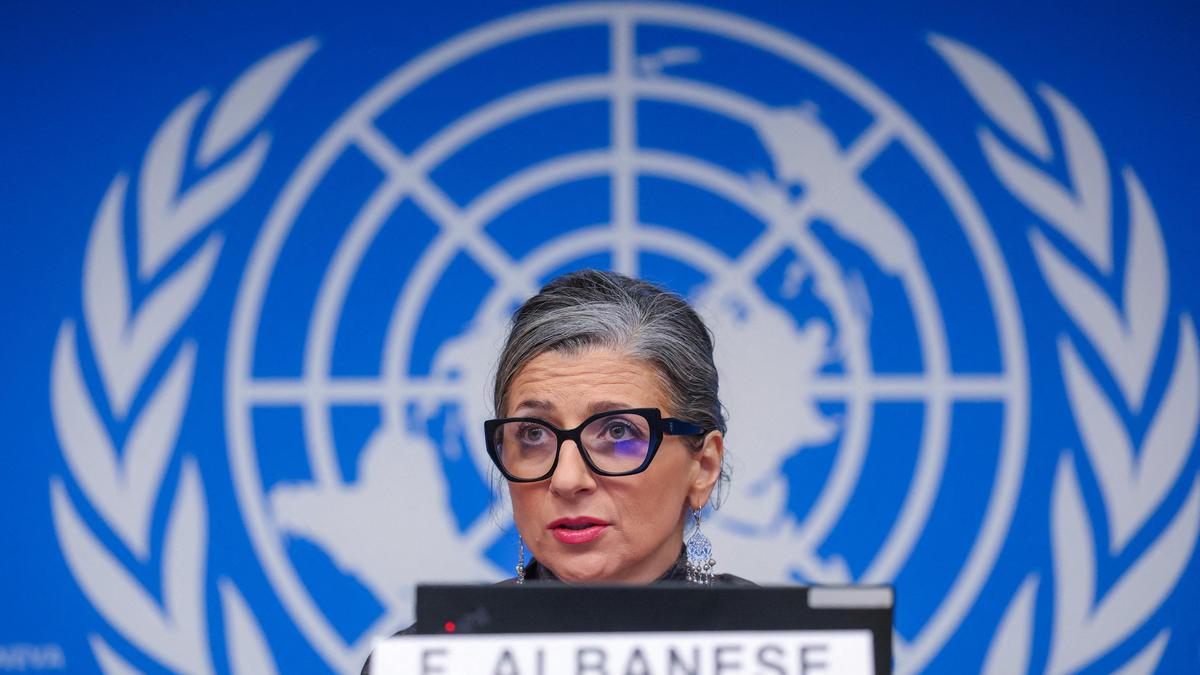
UN Expert Albanese: India Violates Law
UN Rapporteur Francesca Albanese accuses India of breaching international law, spotlighting human rights concerns in Kashmir and prompting diplomatic pushback.

Conflict & Security
Drone Warfare Killing Aid Workers at Unprec
Over 1,000 humanitarian workers killed in three years as cheap armed drones collapse legal protections. Gaza, Sudan, Ukraine, and DRC see deliberate targeting of aid convoys and hospitals with zero prosecutions.
Global
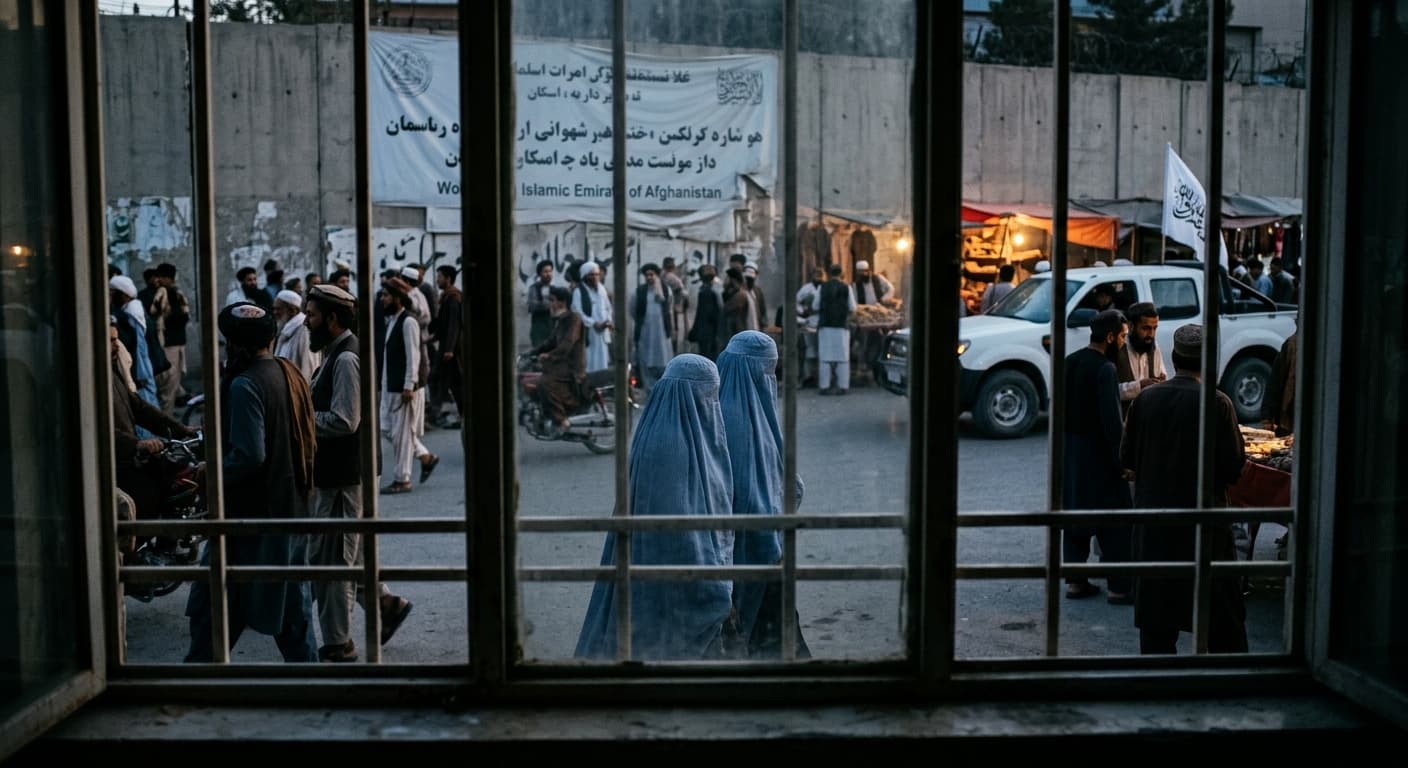
World Normalises Taliban as Afghan Women Eras
UN data shows Afghan women erased from public life as Russia recognises the Taliban, EU hosts officials in Brussels, and ICC warrants for gender persecution go unenforced.
Conflict & Security
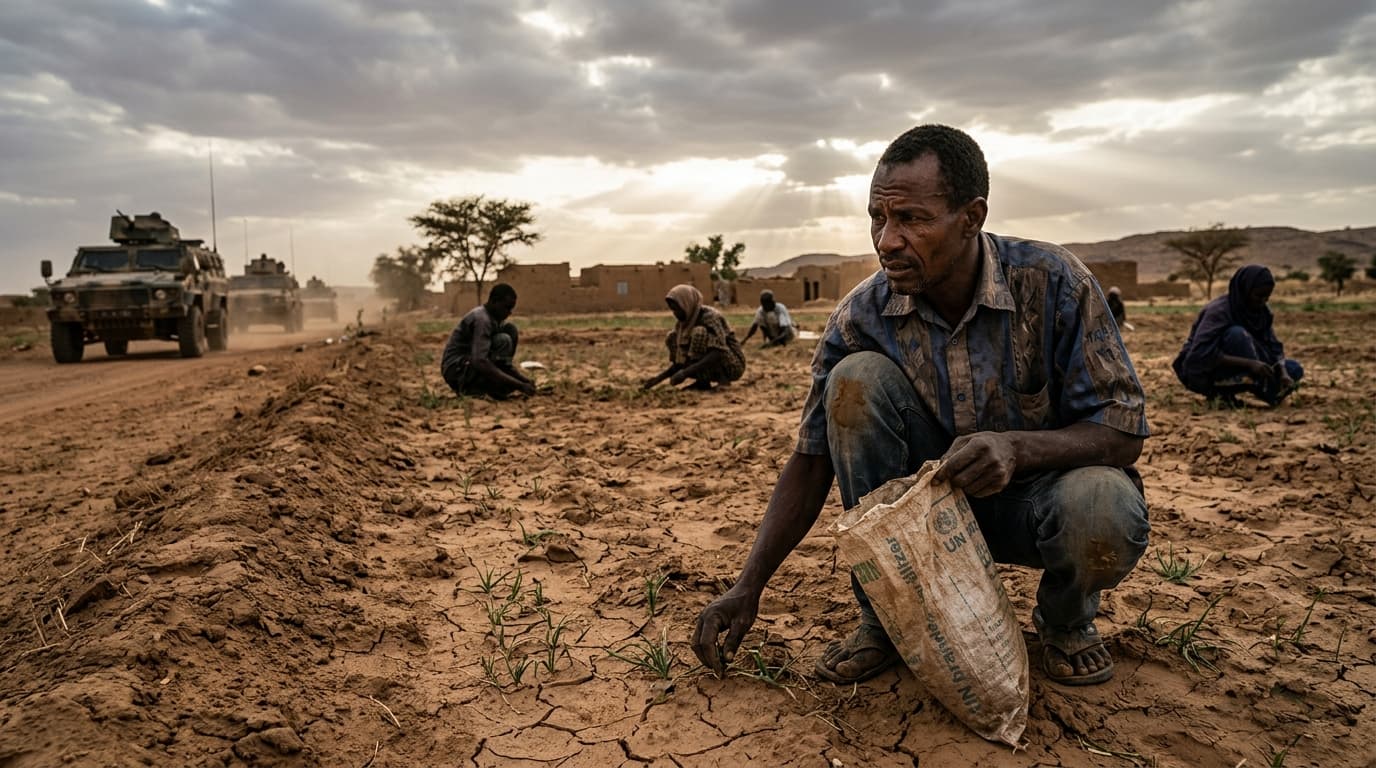
West Africa Food Crisis: Three Shocks in 2026
Conflict, climate extremes, and the Strait of Hormuz closure drive a severe food crisis in West and Central Africa, with fertilizer prices surging 80% and millions displaced.