Israel Expands Buffer Zone Ahead of Talks
Israel's military actions reshape Lebanon's negotiation landscape.
Model Diplomat3 min readMiddle East
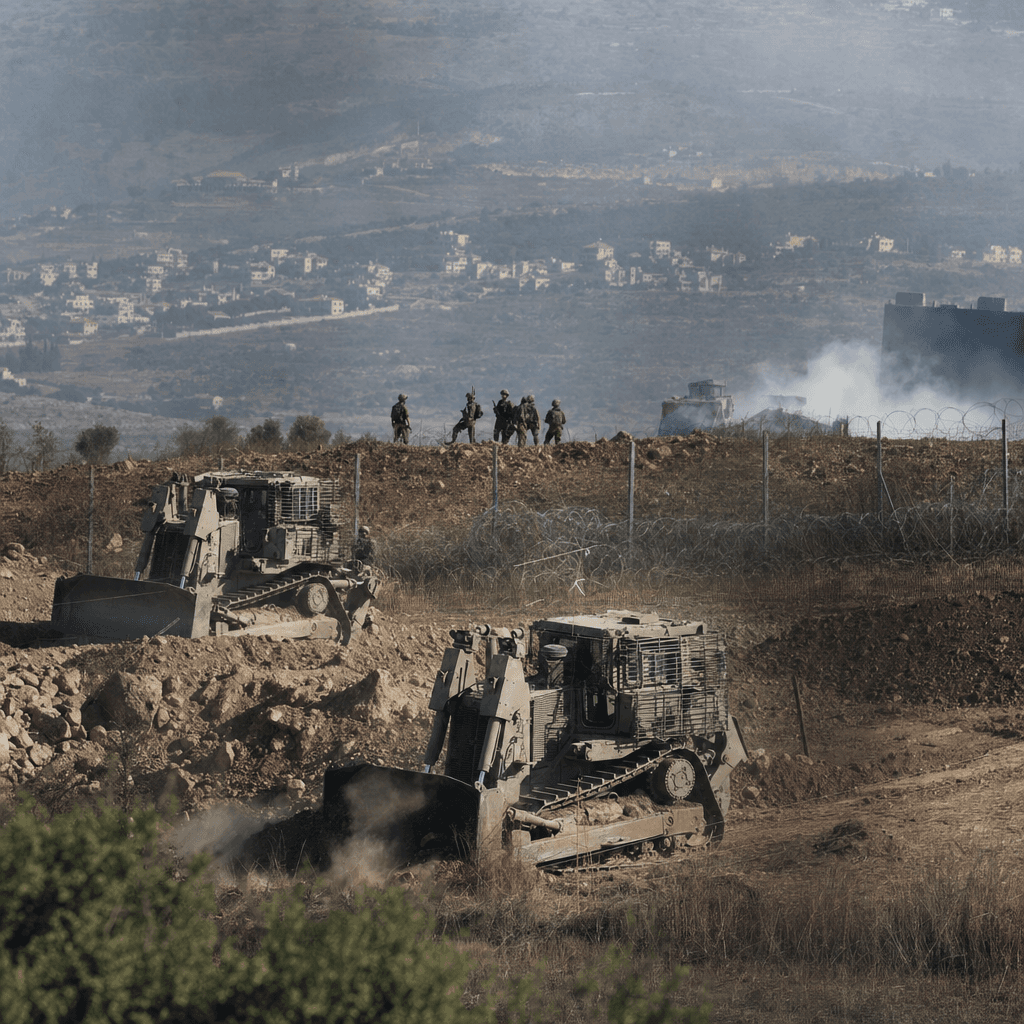
Israel Pushes Beyond Lebanon’s ‘Yellow Line’ as Talks Loom
Deadly strikes, new evacuation orders and ground movement beyond the “yellow line” show Israel trying to harden a buffer zone before US-brokered Lebanon talks resume.
Israel is using force to change the bargaining map in southern Lebanon. New video from Maarakeh shows widespread destruction after deadly strikes, and the Israeli military on Tuesday issued forced displacement orders for more than a dozen towns and villages while expanding its ground operation beyond its new, self-declared “yellow line,” according to Al Jazeera. That is not just battlefield pressure; it is an attempt to redraw the perimeter before diplomacy catches up.
Israel is making geography the weapon
The leverage sits with Israel’s military, not because it has solved the Hezbollah problem, but because it can impose immediate costs on civilians and force movement on the ground. Al Jazeera says the strikes left visible destruction in Maarakeh and came alongside evacuation orders that widened the operational footprint. In practice, that creates a moving exclusion zone: residents leave, Hezbollah loses cover, and Israel gains a deeper stand-off area without needing a formal agreement.
That fits the pattern reported by Asharq Al-Awsat, which quoted Prime Minister Benjamin Netanyahu saying on Monday that Israel would intensify strikes against Hezbollah. The same report said the Israeli military was hitting Hezbollah infrastructure in the Bekaa Valley and other areas, while a separate
Asharq Al-Awsat piece said an Israeli strike in Mashghara killed 12 people and that Israel had called up more troops.
That matters because the current campaign is no longer limited to reactive cross-border fire. Israel is trying to manufacture a new baseline: more depth, more displacement, more pressure, then negotiate from that position.
Beirut is being squeezed between sovereignty and Hezbollah
Lebanon’s civilian state loses whichever way this goes. If it pushes back too hard, it risks a rupture with Hezbollah; if it waits, Israel keeps moving. President Joseph Aoun has already framed Israeli withdrawal from the south as a “non-negotiable” demand, while also insisting that negotiations are “neither a concession nor a surrender,” according to Asharq Al-Awsat. Hezbollah chief Naim Qassem, meanwhile, has rejected direct talks with Israel and refused to disarm, keeping the armed group on a collision course with the Lebanese state’s diplomatic track.
This is why the war in the south now matters well beyond the front line: it is forcing Lebanon’s leadership to negotiate under fire, with Hezbollah still able to spoil the process and Israel still able to escalate it. The result is a weaker state, not a cleaner settlement. For a broader read on how this conflict is reshaping regional power balances, see Conflict and
Global Politics.
What to watch next
The next hinge point is the diplomacy calendar. Asharq Al-Awsat reported that Lebanese and Israeli military delegations are due to meet in Washington on May 29, with a fourth round of talks expected in early June. If Israel keeps expanding its operating zone before then, it will be signaling that negotiations are meant to ratify new military realities, not reverse them. The question for policymakers is simple: does Washington tolerate that sequencing, or force the next round of talks to start from the old line rather than the one Israel is now drawing on the ground?
Discover more

Tech Policy
Iran's Cavern Manticore Targets Israel's IT
Cavern Manticore, an Iran-linked hacking group, targets Israeli IT vendors, prompting a shift in Israel's cybersecurity policy and legislative efforts.

Tech Policy
Iran's Cavern Manticore Cyber Threat
Iran's Cavern Manticore cyber group exploits Israeli IT networks, leading to new cybersecurity regulations in Israel.
Conflict & Security
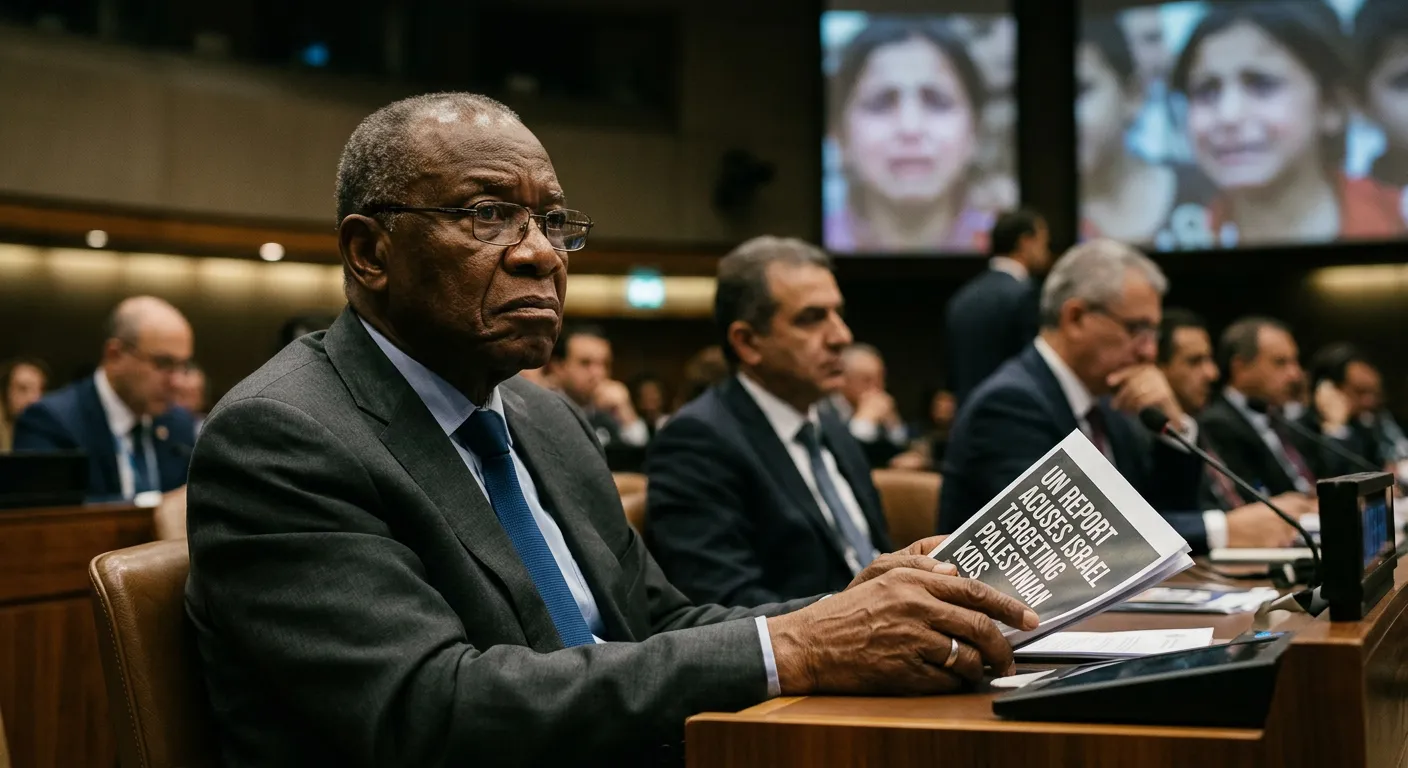
UN Report: Israel Targets Palestinian Kids
A UN report accuses Israel of genocide against Palestinian children in Gaza, citing grave human-rights violations and intensifying scrutiny of the war's toll.
Conflict & Security
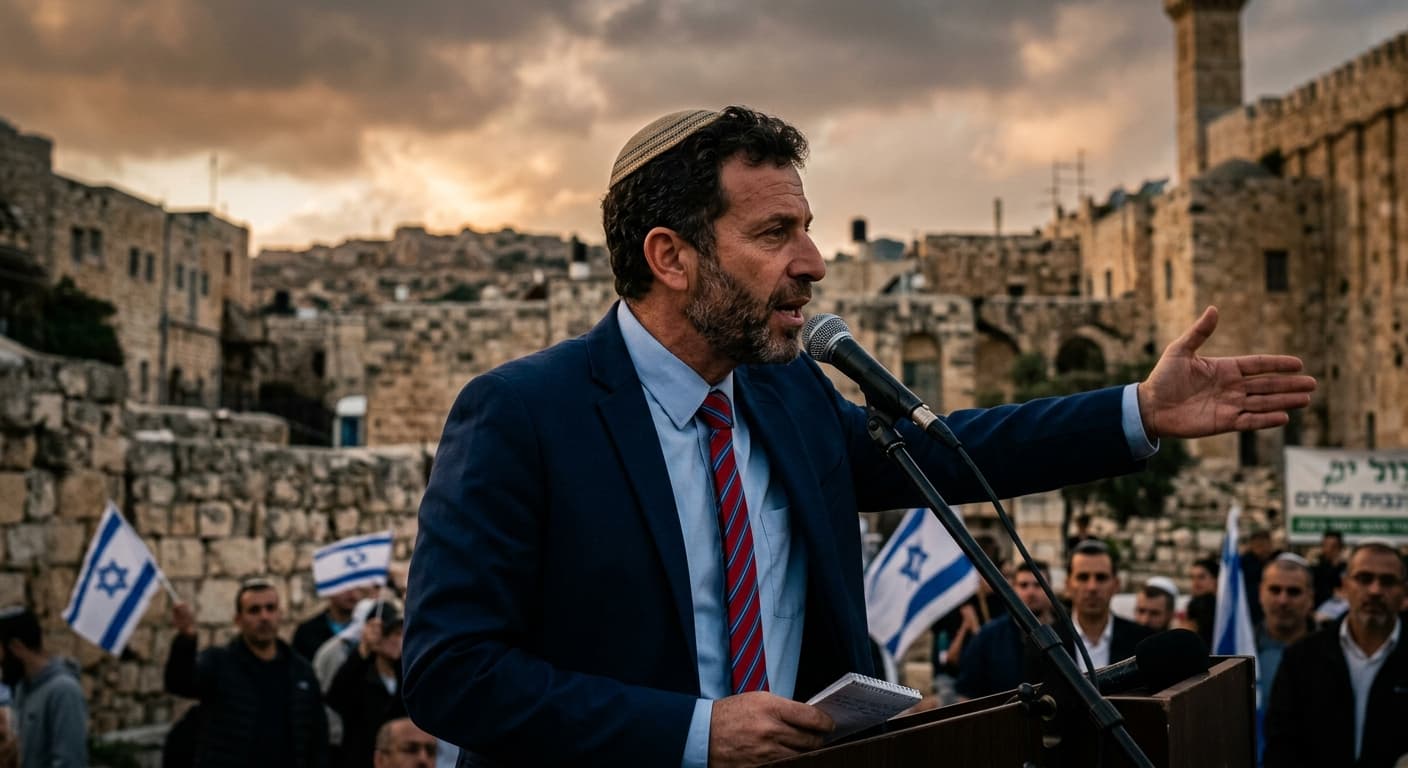
Israel's Annexation Strategy Escalates
Israel's annexation push goes public as minister Smotrich declares intent in Hebron, signaling an open strategy to entrench West Bank settlements and control.