Iran War Reshapes Energy Markets, U.S. Gains
The conflict is driving a shift in global energy dynamics.
Model Diplomat3 min readMiddle East

Iran’s War Is Forcing an Energy Reset — and the U.S. Gains First
The near-term damage is brutal, but the longer-run effect is structural: buyers are paying to escape Hormuz risk, which boosts U.S. exporters and weakens OPEC.
The biggest power shift in the Iran war is not on the battlefield. It is in the energy market, where the fight over the Strait of Hormuz is pushing governments and companies to pay for redundancy, stockpiles and non-Gulf supply. CNN Business argues that the longer the disruption lasts, the more the global economy is forced toward a less fragile energy system — a costly adjustment, but one that is likely to outlast the war itself (CNN Business). Reuters has added a sharper political edge: the UAE’s exit from OPEC has further weakened the cartel’s ability to discipline supply just as the wider market remains constrained by the conflict (
Reuters).
Energy security is now the premium product
The market is no longer optimizing for the cheapest barrel. It is optimizing for the barrel that can still move when a chokepoint closes. CNBC reported that oil executives now expect governments to prioritize energy security, rebuild inventories above historical norms and diversify away from Hormuz, while still investing in low-carbon options such as nuclear, geothermal and grid modernization because they are harder to disrupt (CNBC). That is the real silver lining CNN Business is pointing to: not cheaper energy today, but a global system that is less exposed to a single maritime bottleneck (
CNN Business).
This is why the likely policy response is boring but consequential: more pipelines through Saudi Arabia and the UAE, more strategic reserves, more contracts with non-Middle East suppliers, and more investment in solar, batteries and electrification. Al Jazeera reported that OPEC+ has already responded with only a symbolic June output increase while the Strait remains effectively closed, a sign that the cartel is losing its ability to stabilize the market in real time (Al Jazeera). That is a leverage problem for producers and a protection problem for importers.
Who wins — and who pays
The immediate winners are the suppliers outside the chokepoint. CNN Business says U.S. natural gas and crude exporters are well positioned if the world keeps diversifying, and CNBC noted that U.S. crude exports have already hit record highs during the war (CNN Business,
CNBC). That gives Washington a commercial and geopolitical opening: more demand for U.S. molecules, more leverage with allies, and more influence over the next phase of the energy transition.
The losers are more immediate and more numerous. Gulf exporters lose volume and pricing power. Asian importers absorb higher shipping and insurance costs. And, as CNN Business notes, a longer-term shift away from oil could eventually hit higher-cost producers such as Texas’s Permian Basin if demand softens and prices settle lower than before the war (CNN Business). For
Global Politics and
United States watchers, the key point is simple: this war is redistributing bargaining power inside the energy system, not just destroying infrastructure.
What to watch next
The next decision point is the June OPEC+ production move and any sign that Hormuz shipping starts normalizing. If the strait stays constrained, the market will keep paying a war premium and the shift toward redundancy will accelerate (Al Jazeera,
Reuters). If traffic resumes, the deeper question becomes whether governments keep spending to avoid being trapped again — because that is where the “silver lining” becomes permanent.
Discover more

Global Politics
US Seizes Iranian Ship, Tensions Surge
The US seizure of the Iranian ship Touska highlights a shift in control over the Strait of Hormuz, favoring Iran's strategic position.

Conflict & Security
Drone Warfare Killing Aid Workers at Unprec
Over 1,000 humanitarian workers killed in three years as cheap armed drones collapse legal protections. Gaza, Sudan, Ukraine, and DRC see deliberate targeting of aid convoys and hospitals with zero prosecutions.
Global
World Normalises Taliban as Afghan Women Eras
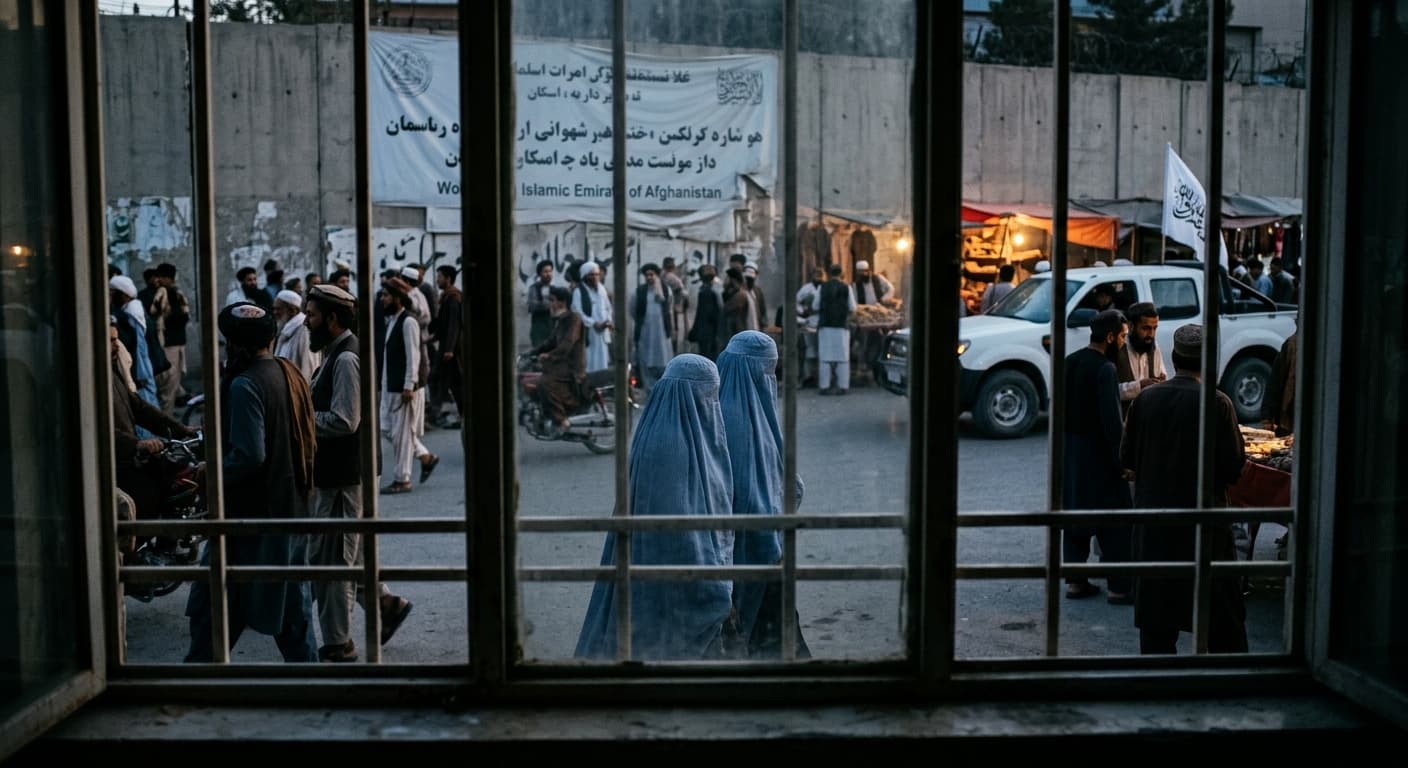
UN data shows Afghan women erased from public life as Russia recognises the Taliban, EU hosts officials in Brussels, and ICC warrants for gender persecution go unenforced.
Conflict & Security
West Africa Food Crisis: Three Shocks in 2026
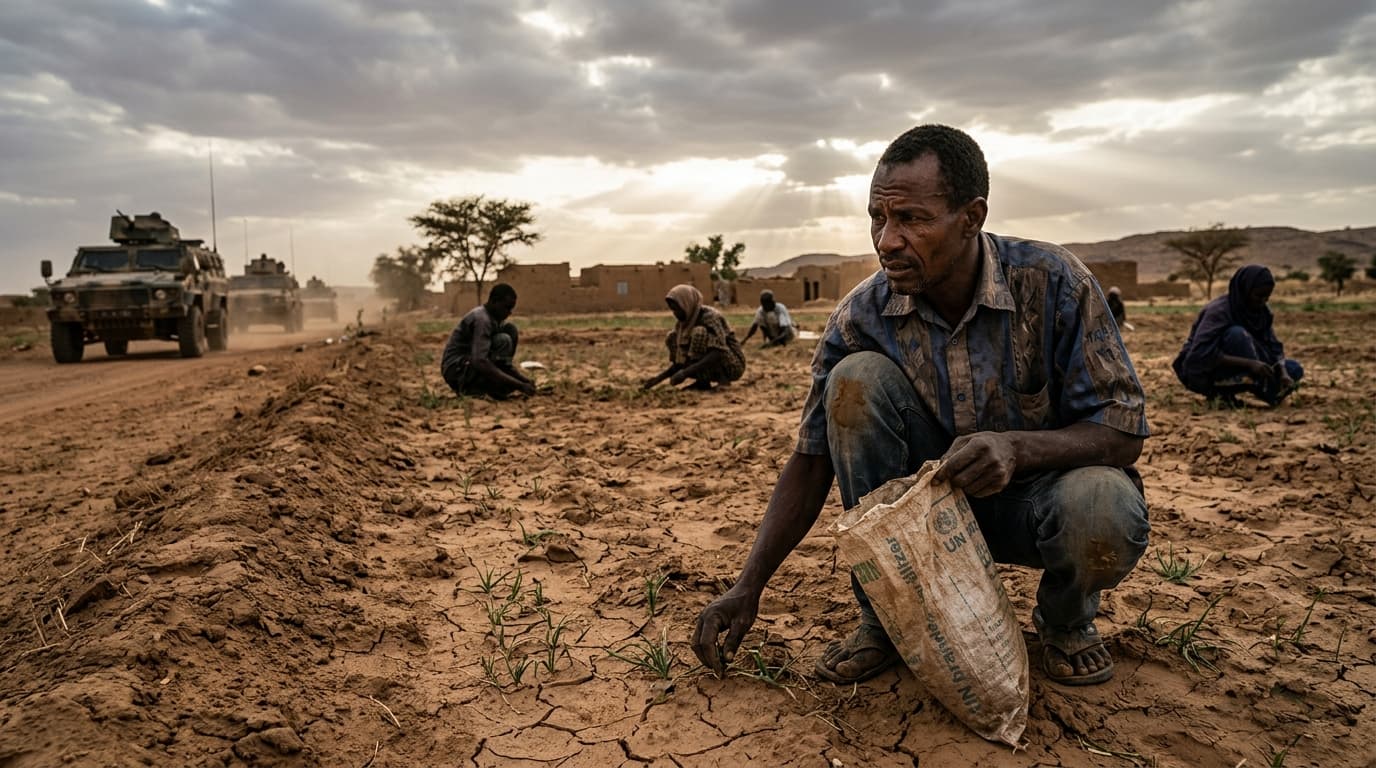
Conflict, climate extremes, and the Strait of Hormuz closure drive a severe food crisis in West and Central Africa, with fertilizer prices surging 80% and millions displaced.