Iran's Stalemate
US-Iran tensions deepen as talks collapse and conflict persists.
Model Diplomat3 min readMiddle East

Iran's Frozen War: Why the Stalemate Is Now Structural
US-Iran talks have collapsed, a naval blockade is active, and both sides are digging in — the conflict has entered a Cold War logic that suits Tehran.
The framing from Axios's Marc Caputo and Barak Ravid lands precisely. After 21 hours of US-Iran negotiations in Islamabad collapsed in mid-April — the first high-level direct talks in over a decade — Washington imposed a maritime blockade on Iranian ports, Iran toggled the Strait of Hormuz open and shut as a pressure valve, and both sides publicly declared the other's demands unreasonable. What began as a hot war has calcified into something colder, and more durable.
How the Stalemate Was Built
The Islamabad breakdown exposed the structural gap: Washington demands a verifiable commitment from Tehran to abandon nuclear weapons development; Iran insists this is maximalist, and frames the US as shifting goalposts mid-negotiation. Vice President JD Vance has stressed that Iran must give an "affirmative commitment" before any relief; Trump simultaneously threatened to destroy Iranian infrastructure — power plants, bridges — if no deal is reached before the ceasefire expires. That combination of coercion and conditionality gives Tehran little incentive to move first.
Iran's leverage is not military parity — it's geography and time. The Revolutionary Guards have already demonstrated they can disrupt Hormuz transit, forcing Washington into a blockade posture that CENTCOM must now sustain indefinitely. Iran executed two alleged Mossad collaborators domestically, signaling internal hardening. Pakistan is trying to hold the mediation channel open, but Islamabad has no enforcement tools and limited sway over either side's core red lines.
Who Benefits from Permanent Limbo
Iran's hardliners benefit most from a protracted stalemate. A Cold War framework validates their narrative — that the Islamic Republic can survive maximum pressure — and removes the domestic urgency for a humiliating deal. Supreme Leader Khamenei never needed a resolution before his political calendar demands one.
Russia and China gain a permanently destabilised Gulf that keeps US assets tied down and energy markets volatile, without firing a shot. Gulf Arab states, particularly Saudi Arabia and the UAE, face the worst of it: elevated oil prices (~$95/bbl Brent) provide short-term revenue but rising regional insecurity complicates the investment climate both Riyadhs are staking their diversification visions on.
Israel holds a complicated position. Continued strikes on Lebanon and Iran-linked targets keep pressure on Tehran, but prolonged stalemate means no normalization windfall and an indefinitely militarized northern border.
What to Watch Next
Three near-term tripwires:
- Ceasefire expiry date. The two-week ceasefire brokered in early April has already been under strain; its next extension — or collapse — is the most immediate escalation signal. Trump's threats to bomb Iranian infrastructure become real options the moment the ceasefire lapses with no deal.
- Hormuz corridor conditions. Iran has reopened the strait but is directing transit routes and hinting at tolls. The moment a US-flagged or allied vessel is stopped, the blockade becomes an active naval confrontation.
- Pakistan's next diplomatic move. Foreign Minister Ishaq Dar is the only mediator with a line to both sides. If Islamabad formally suspends its facilitation role, the last diplomatic channel closes.
The Cold War analogy holds — but the original Cold War lasted 45 years. The question policymakers should be asking now is not how to end this conflict fast, but how to manage a theatre that may have no near-term exit.
Sources: Gulf News — Islamabad talks collapse ·
Reuters — US naval blockade ·
AP News — Hormuz reopened ·
Axios
Discover more
Global Politics
Trump's Conflicting Messages on Iran War
Trump's mixed messages on Iran reflect a strategy of audience management, benefiting Tehran amid a complex geopolitical landscape.
Conflict & Security
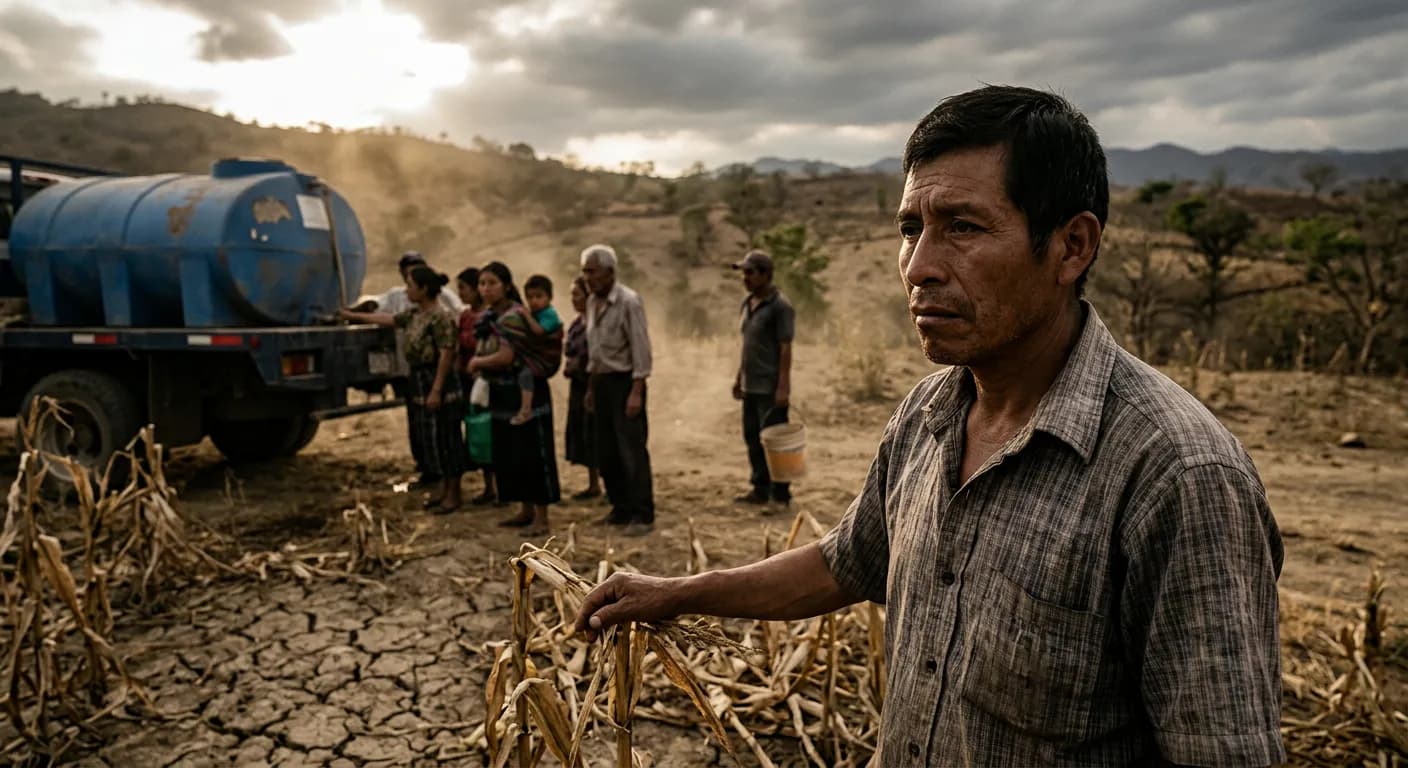
Guatemala: El Niño 2026–27 becomes regional security test
UNICEF: 25.8M children face El Niño risks in Latin America; Guatemala maps 188 municipalities for drought and food insecurity amid regional security test.

Economics
Fed's stress-test overhaul is a capital-smoothing exercise
Federal Reserve finalized stress-test overhaul: two-year averaging for bank capital buffers and public input, expected to halve volatility.

Conflict & Security
Drone Warfare Killing Aid Workers at Unprec
Over 1,000 humanitarian workers killed in three years as cheap armed drones collapse legal protections. Gaza, Sudan, Ukraine, and DRC see deliberate targeting of aid convoys and hospitals with zero prosecutions.