Iran's Missile Strikes Defy US Ceasefire
Iran attacks Gulf neighbors hours after US-Iran truce begins
Model Diplomat3 min readMiddle East
Iran Fires on Gulf States Mid-Ceasefire — and That's the Point
Hours after a US-Iran truce was declared, Tehran launched 17 missiles and 35 drones at Gulf neighbours. The ceasefire was never meant to cover them.
Within hours of the Iran–US two-week ceasefire taking effect on April 8, Iran launched waves of ballistic missiles and drones at five Gulf states simultaneously — the UAE, Kuwait, Bahrain, Qatar, and Saudi Arabia. The UAE's defence ministry counted 17 Iranian ballistic missiles and 35 drones intercepted since the truce began. Kuwait's air defences downed 28 drones that damaged Kuwait Petroleum Corporation facilities, power stations, and water desalination plants. Abu Dhabi's Habshan gas complex — a critical node in the UAE's gas export infrastructure — was temporarily shut after a debris fire. Three people were wounded in the UAE; two in Bahrain. Al Jazeera |
Al Arabiya
The Ceasefire Was Never a Gulf Shield
Iran's state media framed the strikes as retaliation for earlier attacks on Iranian oil facilities — a predictable escalation logic. But the timing is the message. Tehran is demonstrating, in real time, that a Washington-brokered truce does not constrain Iranian action against Gulf Arab states. The US-Iran ceasefire text — as Iran interprets it — covers direct US-Iran hostilities. The Gulf states are exposed precisely because they are not party to the deal.
This is leverage management. Iran is signalling to Riyadh, Abu Dhabi, and Doha that their security cannot be guaranteed by a Washington agreement that excludes them — and that any Gulf support for US or Israeli operations against Iran carries a direct cost. Iran's nuclear negotiating position, already hardened after Israeli strikes, gains coercive weight when Gulf energy infrastructure is demonstrably in range. Oil markets registered the pressure: Brent crude fell roughly 14% to ~$95/barrel amid conflicting supply signals, per Reuters.
Who Gains, Who Bleeds
Iran reclaims escalation dominance in the Gulf sub-theatre while formally observing the US truce — a precise use of ambiguity. The UAE and Kuwait absorb the highest immediate economic damage, given the infrastructure hits to energy and water systems. Qatar, which intercepted seven ballistic missiles, faces the sharpest strategic exposure: Doha hosts the largest US military base in the region, Al Udeid Air Base, making it a particularly symbolic target.
The Trump administration faces an immediate credibility test. A ceasefire that allows its Gulf partners to be struck simultaneously undermines Washington's claim to have achieved regional de-escalation. Conflict analysis from the past year consistently flagged this gap: bilateral US-Iran deals leave Gulf states as residual battlegrounds.
What to Watch Next
The two-week ceasefire clock expires around April 22. Before that date, three signals matter:
- Whether Washington explicitly extends ceasefire coverage to Gulf states — or acknowledges it does not apply.
- Iran's position at the reported Pakistan-hosted nuclear talks — Tehran has already called further negotiations "unreasonable" under current Israeli strike conditions.
- Gulf Council emergency sessions. If the UAE or Kuwait invoke collective GCC defence mechanisms formally, it reframes this from a bilateral Iran-US issue into a multilateral confrontation.
The Habshan shutdown is a warning shot, not a coincidence. Tehran is pricing the cost of Gulf alignment with Washington — and the invoice is now public.
Discover more
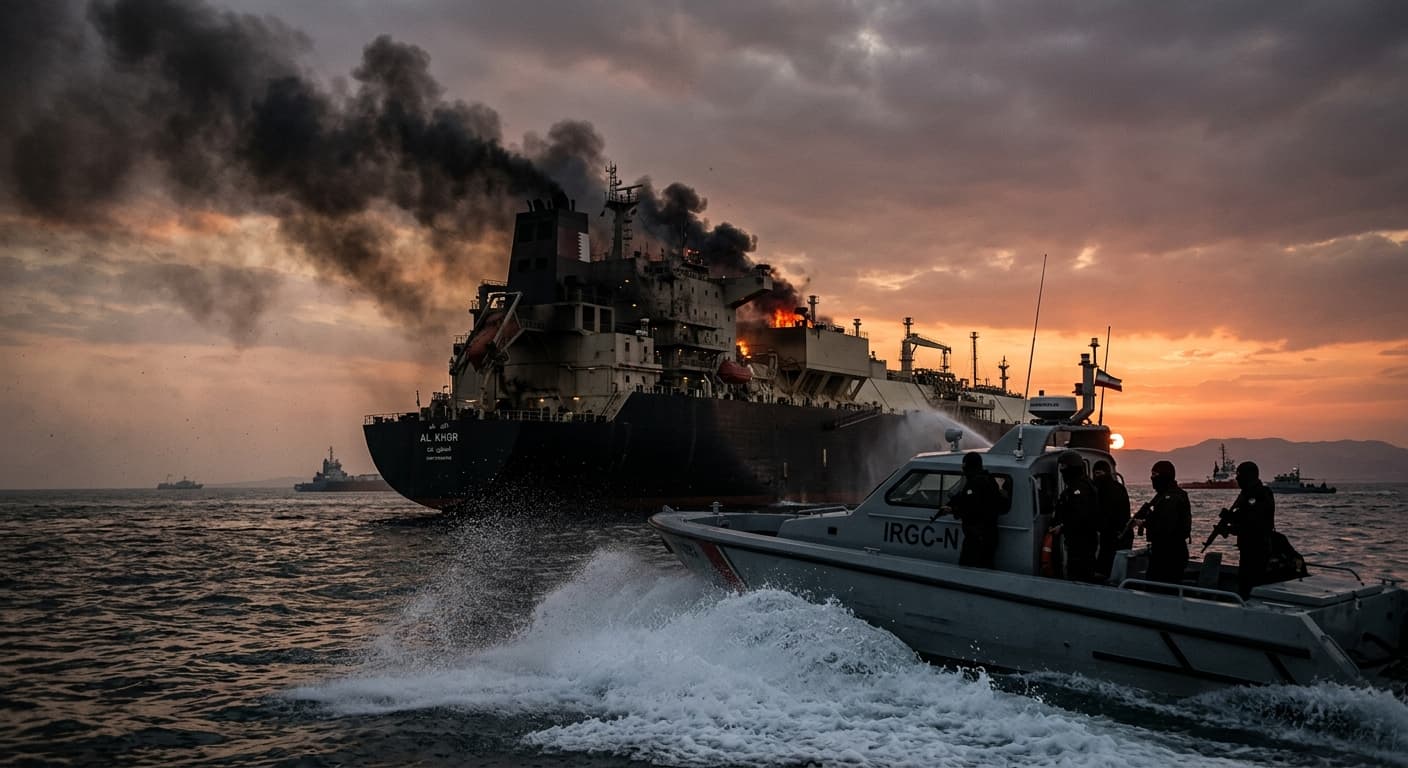
Global
Qatari Tanker Strike Exposes Hormuz Tensions
A Qatari tanker was struck off Oman, revealing the fragility of the Hormuz ceasefire and Iran's influence over maritime security.
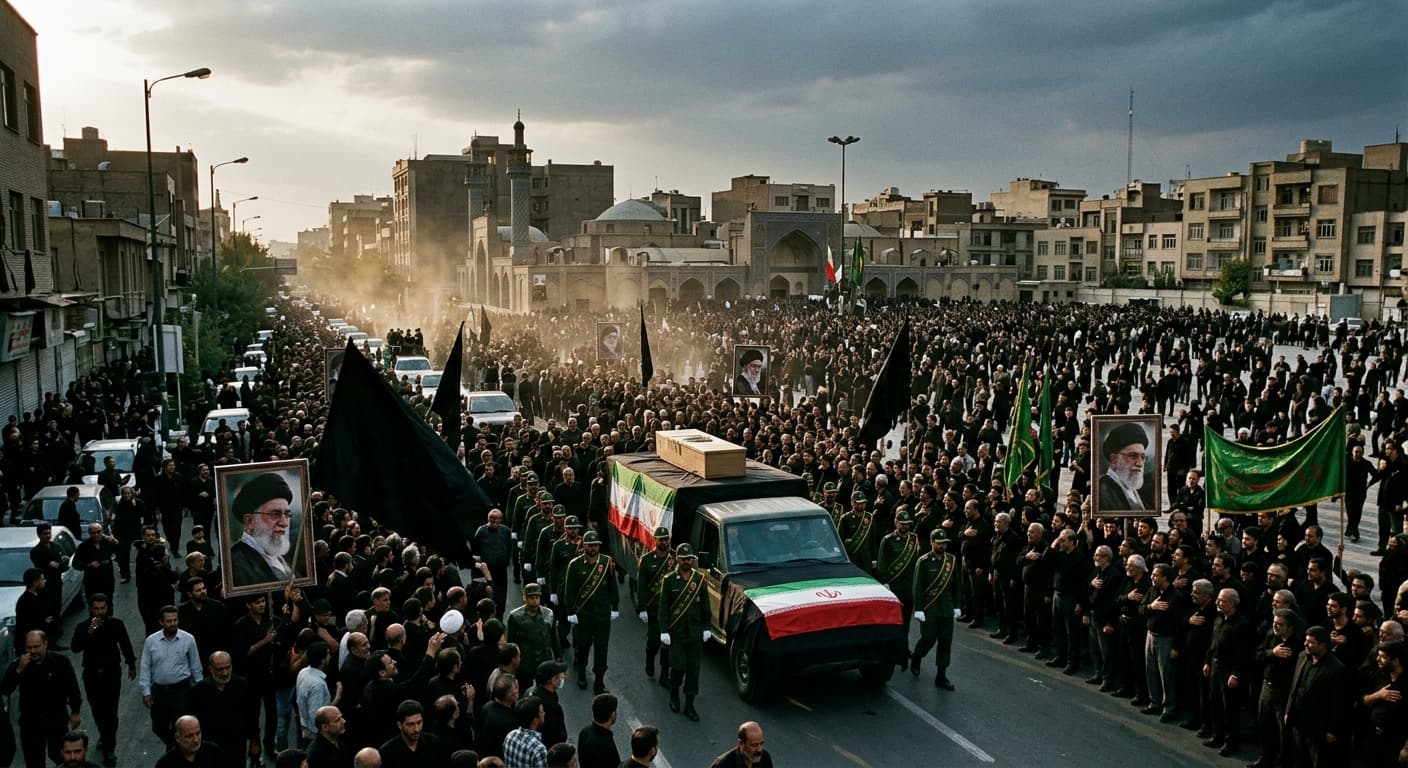
Global
Khamenei's Funeral Signals Iran's Decline
The funeral of Ayatollah Khamenei highlights Iran's diminished influence in the Gulf, with regional powers now dictating terms.
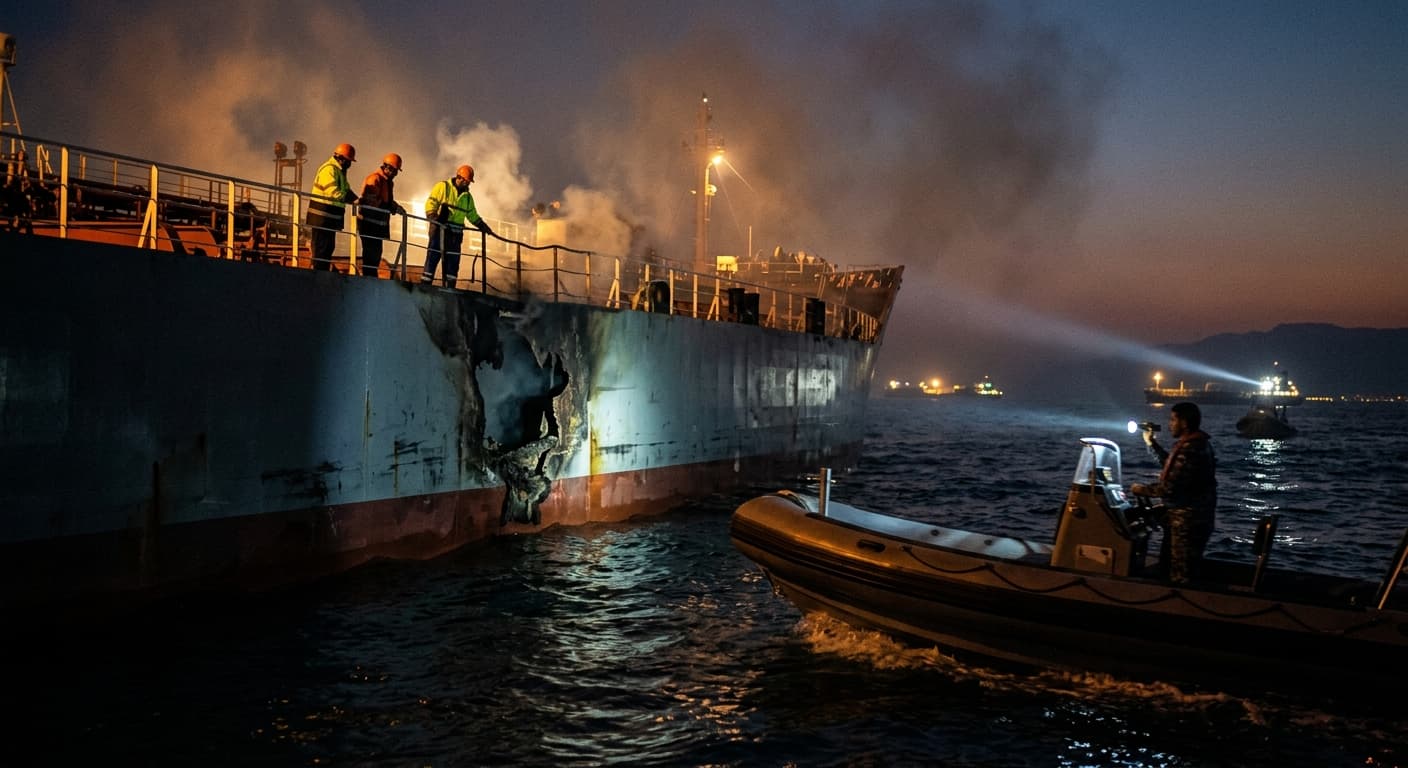
Global
Iran's Hormuz Missile Strikes: A Toll Booth
Iran's missile attack on a Qatari-linked tanker highlights Tehran's strategy to control the Strait of Hormuz, impacting Gulf states and maritime law.
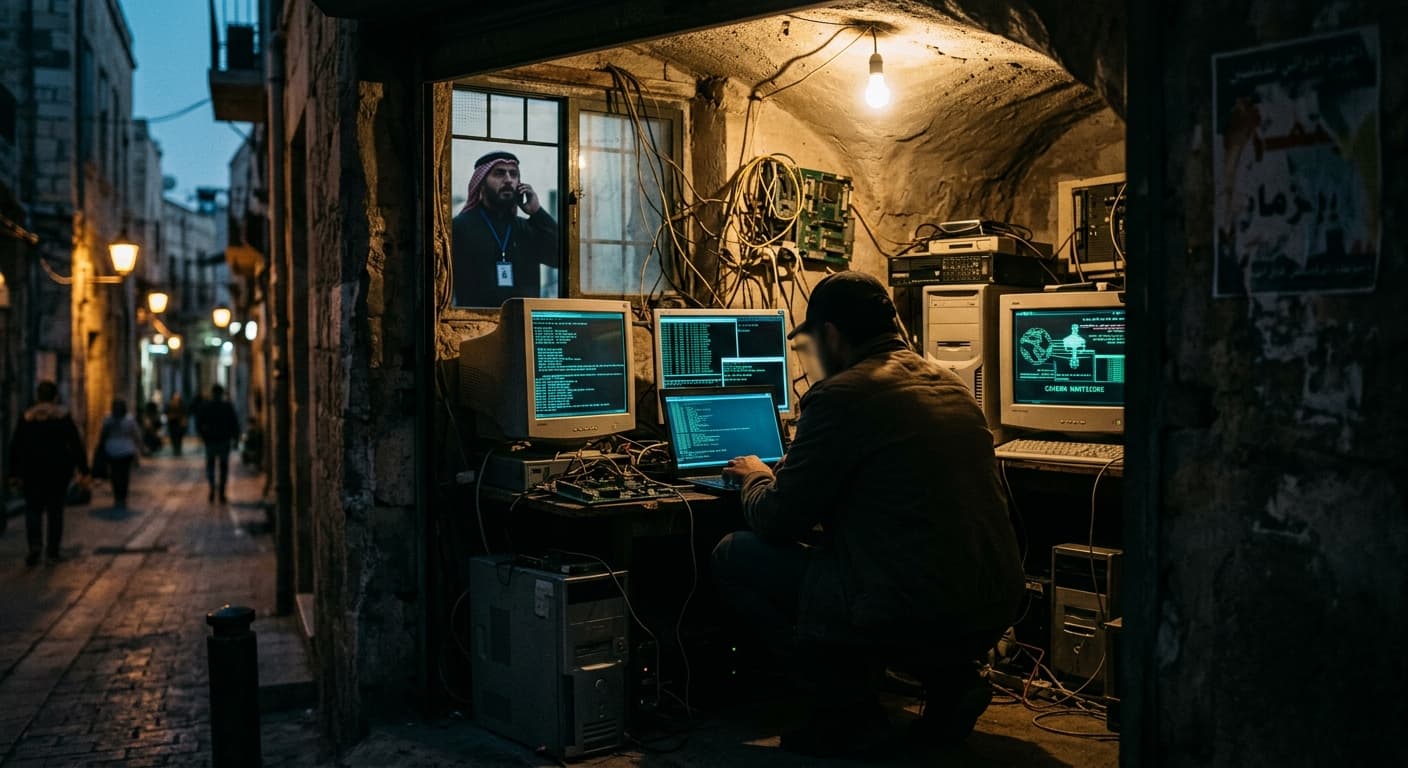
Tech Policy
Iran's Cavern Manticore Targets Israel's IT
Cavern Manticore, an Iran-linked hacking group, targets Israeli IT vendors, prompting a shift in Israel's cybersecurity policy and legislative efforts.