Iran's Hormuz Threat Impacts US Coalition Eff
Tehran leverages Strait of Hormuz amid U.S. coalition struggles.
Model Diplomat3 min readMiddle East

Iran’s Hormuz Threat Tests U.S. Coalition Power
Tehran is using the Strait of Hormuz as coercive leverage, betting the U.S. cannot quickly reopen a global energy chokepoint without wider buy-in.
Iran’s threat of a “painful response” if the United States renews attacks matters less as rhetoric than as a statement of leverage: Tehran can raise the cost of U.S. pressure immediately, while Washington is still trying to assemble partners to reopen the Strait of Hormuz. Reuters reported on Wednesday that the U.S. is pressing allies to help restore traffic through the strait, while oil prices swung sharply after touching four-year highs. Iran threatens painful response if US renews attacks - Reuters
Why Tehran still has leverage
The strait is the point. More than 20 million barrels a day of crude, condensate and fuels moved through Hormuz last year — roughly one-fifth of global oil consumption — through a waterway that narrows to 21 miles, with just two-mile shipping lanes in each direction. What is the Strait of Hormuz and why is it so important for oil? | Reuters
That geography gives Iran asymmetric power. Washington’s answer since mid-April has been coercive maritime pressure: Reuters reported the U.S. began a blockade of Iranian ports after talks failed, aiming to force Tehran to stop threatening Hormuz and return to negotiations. But Reuters also reported that Britain and France declined to join the blockade, underscoring the central U.S. problem: restoring “freedom of navigation” is not the same as building a durable coalition to enforce it. US begins blockade of Iran's ports, Tehran threatens retaliation | Reuters
US blockade of Iran will be major military endeavor, experts say | Reuters
In the wider Conflict picture, this is a coalition test disguised as a shipping crisis.
Who gains from delay
Iran benefits from time and ambiguity. Reuters reported its March crude output was about 1.84 million barrels per day, with 1.71 million bpd shipped so far in April, and that roughly 100 million barrels of Iranian oil were already afloat near Malaysia, Indonesia and China in early April. That means Tehran can still threaten disruption even if some exports remain buffered offshore. What does a US naval blockade of Iran mean for oil flows? | Reuters
Gulf Arab states lose first. Reuters reported Iran warned it could retaliate against neighboring Gulf ports, putting the burden on states that host U.S. forces but do not want a direct maritime war on their doorstep. US begins blockade of Iran's ports, Tehran threatens retaliation | Reuters Asian buyers lose next, because any sustained Hormuz disruption hits the main outlet for Gulf crude and LNG.
What is the Strait of Hormuz and why is it so important for oil? | Reuters
For Washington — and for the United States more broadly — the market signal is now part of the deterrence equation.
What to watch next
The next decision point is not Tehran’s next warning; it is whether any U.S. allies actually contribute ships, escorts, or political cover to reopen Hormuz. If they do not, Iran’s threat is working because it turns an American military move into an alliance management problem. If they do, watch whether commercial tankers and insurers return fast enough to calm prices. Also watch whether the Pakistan channel that hosted earlier U.S.-Iran talks can be revived after Reuters reported those negotiations ended without agreement. Iran threatens painful response if US renews attacks - Reuters
US begins blockade of Iran's ports, Tehran threatens retaliation | Reuters
Discover more

Global Politics
US Seizes Iranian Ship, Tensions Surge
The US seizure of the Iranian ship Touska highlights a shift in control over the Strait of Hormuz, favoring Iran's strategic position.

Economics
Fed's Amex AML order puts correspondent banking on notice
Federal Reserve's Amex AML order requires board-level controls and a 90-day plan; OCC fined the bank $350 million over enterprise-wide deficiencies.
Conflict & Security
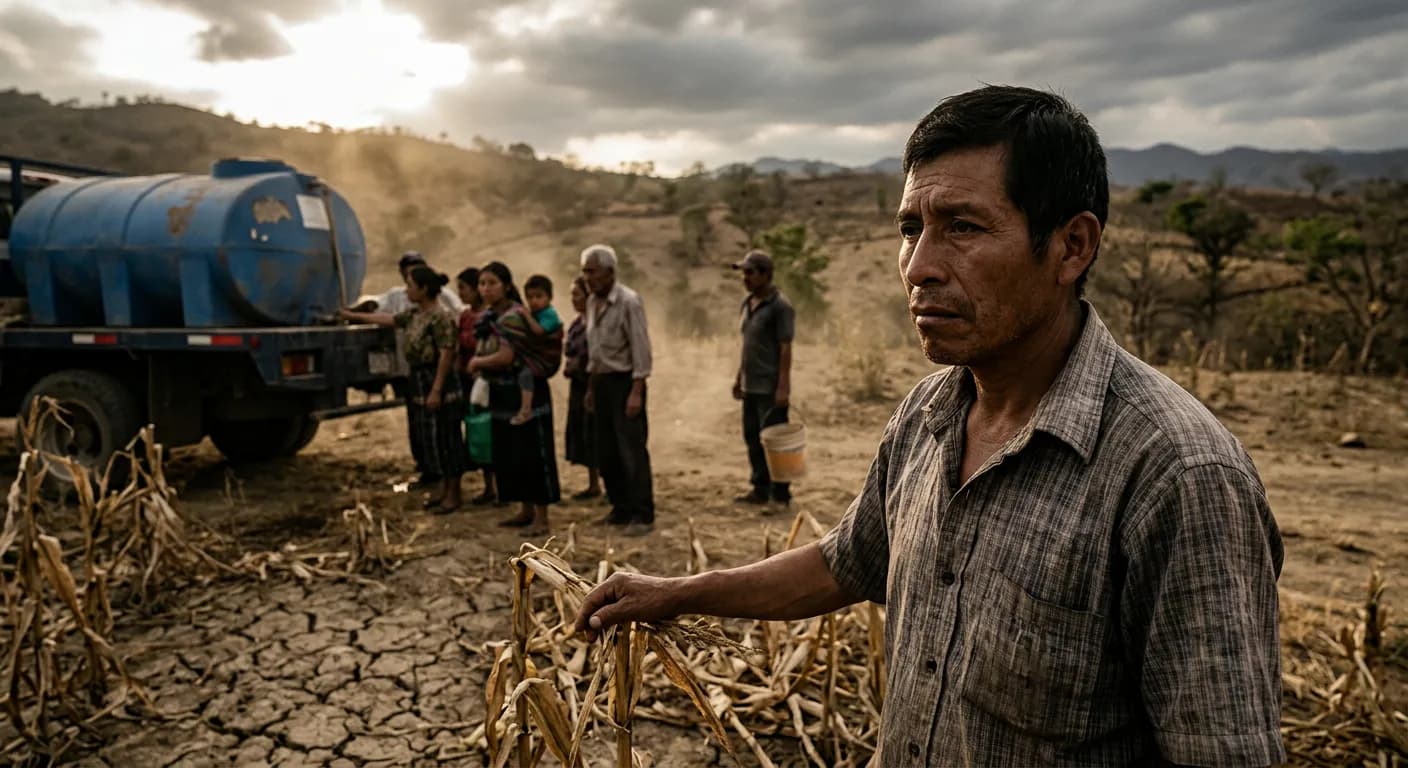
Guatemala: El Niño 2026–27 becomes regional security test
UNICEF: 25.8M children face El Niño risks in Latin America; Guatemala maps 188 municipalities for drought and food insecurity amid regional security test.

Economics
Fed's stress-test overhaul is a capital-smoothing exercise
Federal Reserve finalized stress-test overhaul: two-year averaging for bank capital buffers and public input, expected to halve volatility.