Iran's Hormuz Threat to Trump's Naval Plans
Tehran warns U.S. against naval escorts in Hormuz Strait.
Model Diplomat3 min readMiddle East

Iran’s Hormuz Warning Tests Trump’s Ceasefire Leverage
Tehran is threatening U.S. naval escorts in Hormuz to stop Washington from redefining the ceasefire around freedom of navigation and continued pressure.
Iran is trying to raise the price of a U.S. maritime mission before it starts. According to Al Jazeera’s May 4 live coverage, Iranian military officials warned that any U.S. move to escort ships through the Strait of Hormuz would be treated as an attack and a violation of the ceasefire, after President Donald Trump said he was reviewing a plan to escort shipping in the waterway Iran war live: Iranian military warns US of attacks over Hormuz mission,
Iran war updates: Trump announces plan to escort ships in Hormuz Strait. The immediate issue is not shipping alone. It is who gets to define what the ceasefire permits: Iran says U.S. naval pressure breaches it; Washington is signaling that military enforcement at sea can continue even as broader fighting pauses.
Why Tehran is warning now
The U.S. position has hardened around leverage, not reconciliation. Reuters reported on May 1 that Trump said the Iran war was “terminated” as the War Powers deadline arrived, while U.S. operations tied to maritime pressure and oil interdiction remained politically central in Washington Trump says Iran war 'terminated,' as war powers deadline arrives. Tehran’s warning is therefore aimed at preventing the United States from turning a ceasefire into a new status quo: U.S.-protected shipping for everyone else, continued coercion for Iran.
That matters because Hormuz is one of the few places where Iran still holds asymmetric leverage. Reuters noted during the last major Gulf maritime crisis that roughly one-fifth of the world’s oil passes through the strait, which makes even limited disruption strategically loud Britain's move to join U.S. Gulf mission frustrates European plans. If escorted traffic resumes under U.S. protection, Tehran loses both revenue pressure and a coercive bargaining chip. Gulf exporters, shipowners, and Washington benefit; Iran’s deterrent value falls.
The 2019 parallel is useful — and limited
This is not a new playbook. Reuters reported in 2019 that Washington built a maritime security coalition after tanker attacks in the Gulf, using multinational participation to protect commercial traffic and isolate Iran diplomatically U.S. official: United States building maritime security coalition for Gulf. But that effort also exposed allied limits: some European states wanted a separate mission precisely to avoid being folded into U.S.-Iran escalation
Britain's move to join U.S. Gulf mission frustrates European plans.
The same coalition problem is back. For readers tracking the wider Global Politics picture, the key question is whether this becomes a genuinely multinational security mission or a mostly American operation with allied political cover. That distinction will shape both legitimacy and risk.
What to watch next
Watch the first escorted transit, not the rhetoric. If U.S. naval escorts actually enter Hormuz, Iran will have to choose between backing down, harassing without firing, or testing U.S. rules of engagement. Watch also whether Gulf states publicly join, and whether Washington frames the mission as temporary protection or open-ended enforcement. The next move belongs to the United States, but the first tactical test will likely come from Iran’s Revolutionary Guard at sea.
Discover more
Global
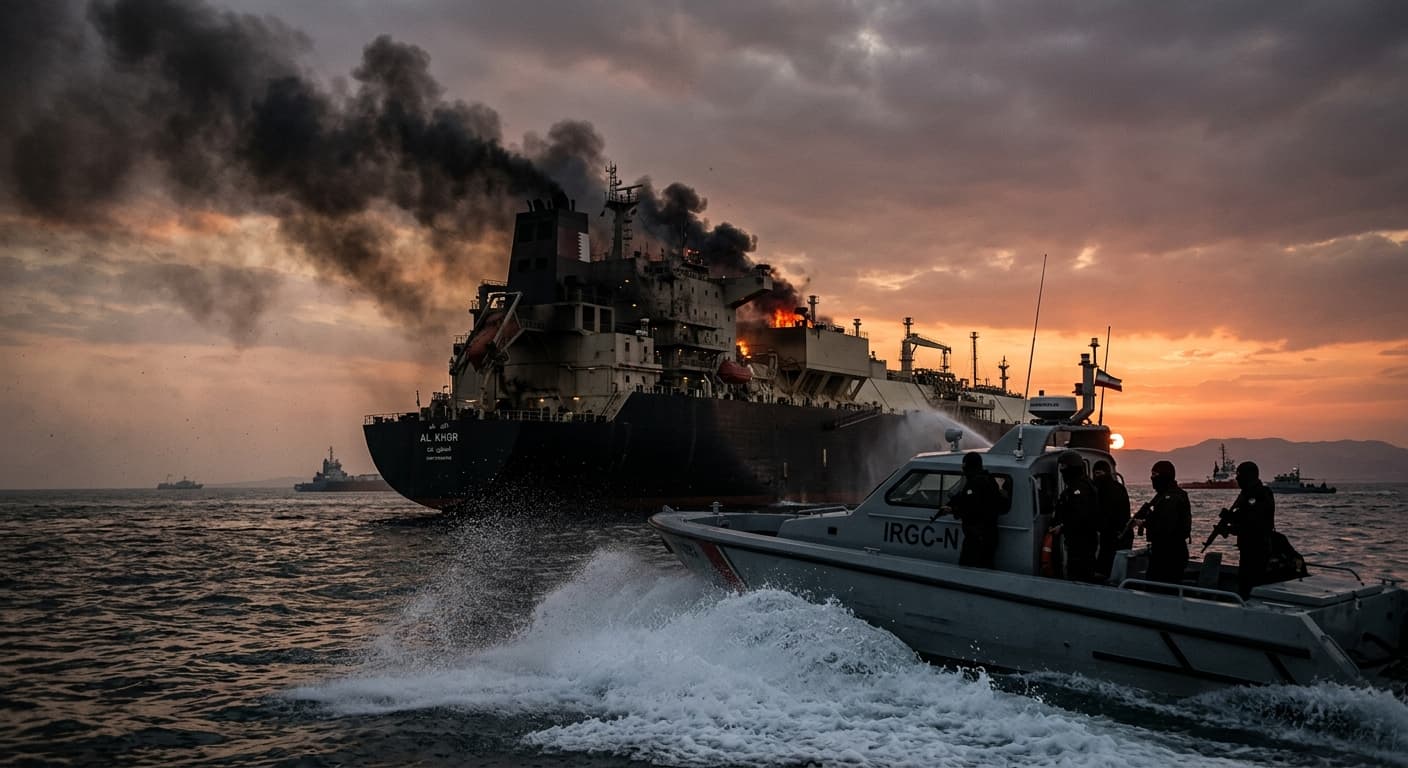
Qatari Tanker Strike Exposes Hormuz Tensions
A Qatari tanker was struck off Oman, revealing the fragility of the Hormuz ceasefire and Iran's influence over maritime security.
Global
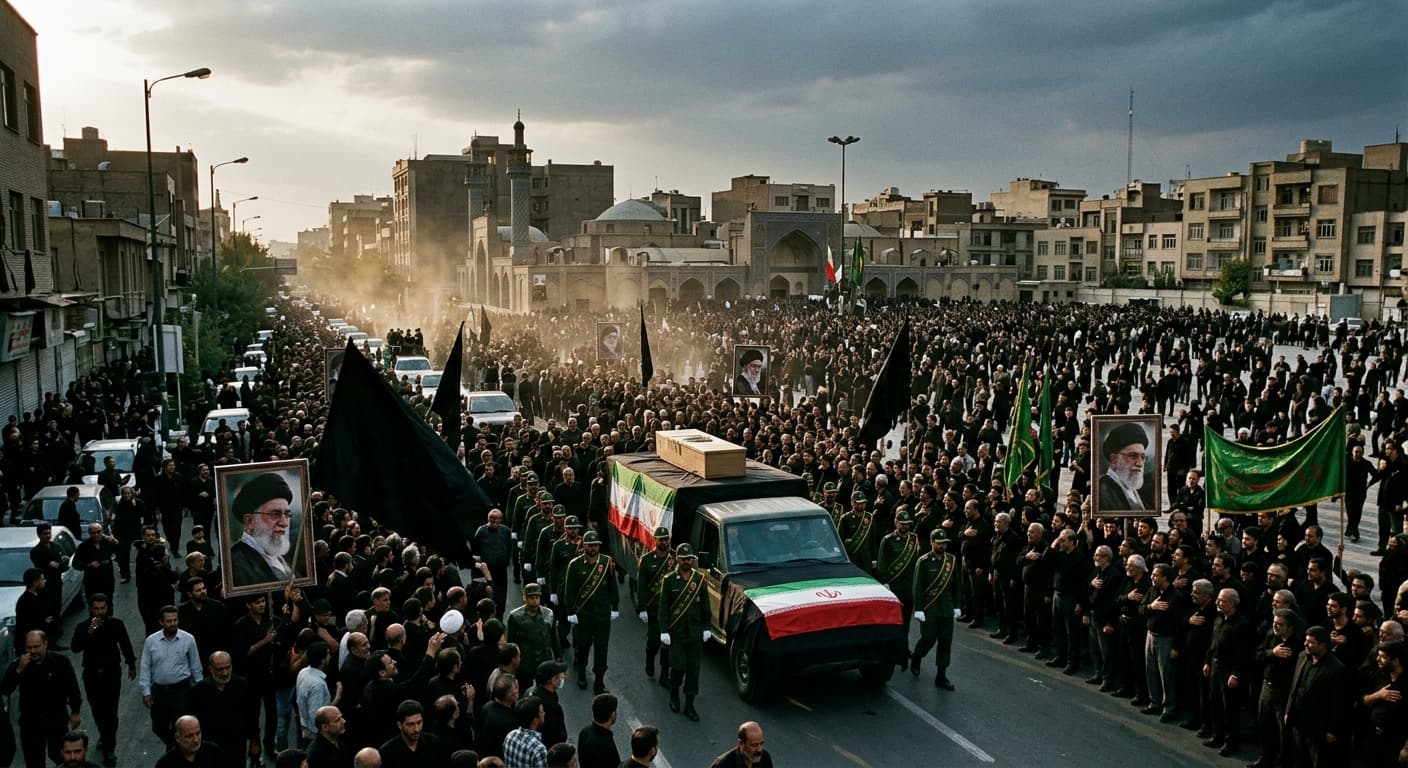
Khamenei's Funeral Signals Iran's Decline
The funeral of Ayatollah Khamenei highlights Iran's diminished influence in the Gulf, with regional powers now dictating terms.
Global
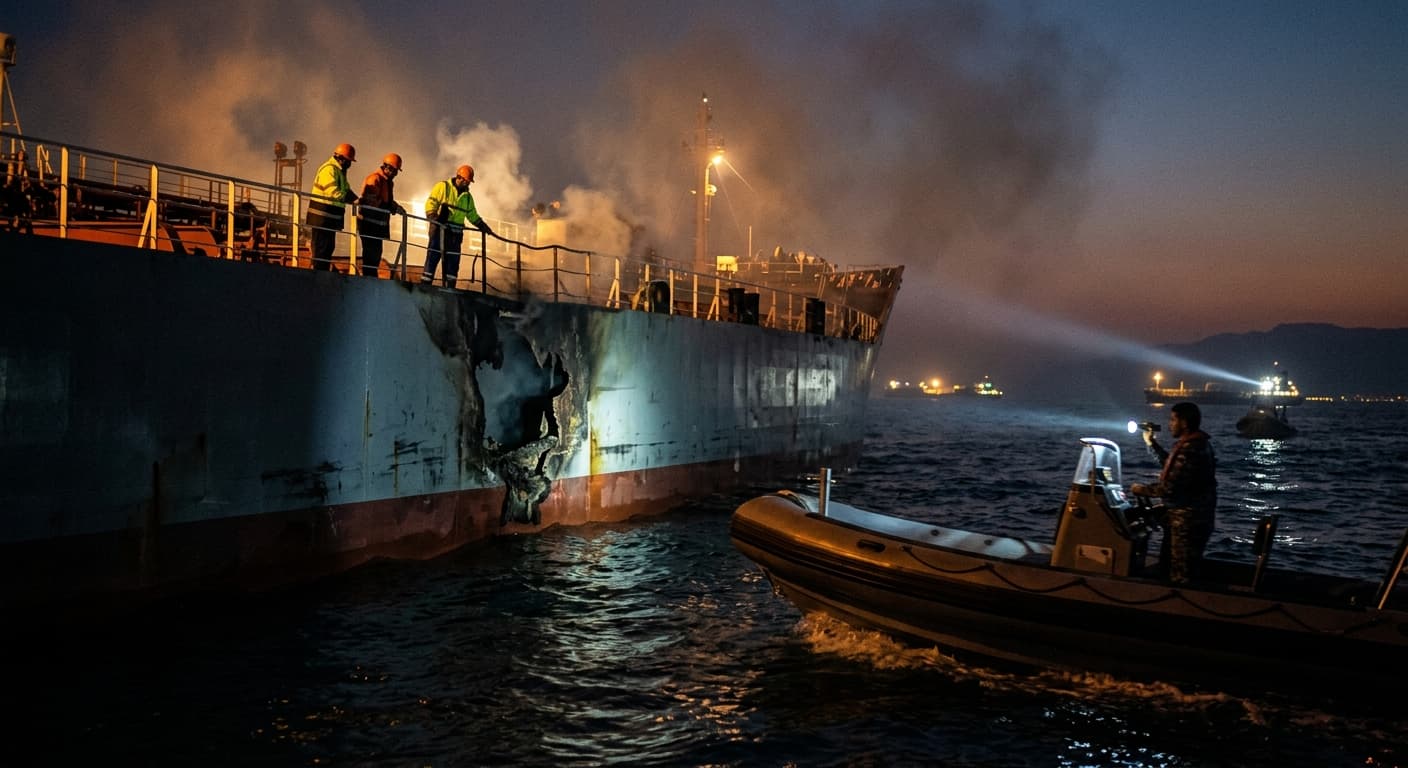
Iran's Hormuz Missile Strikes: A Toll Booth
Iran's missile attack on a Qatari-linked tanker highlights Tehran's strategy to control the Strait of Hormuz, impacting Gulf states and maritime law.

Tech Policy
Iran's Cavern Manticore Targets Israel's IT
Cavern Manticore, an Iran-linked hacking group, targets Israeli IT vendors, prompting a shift in Israel's cybersecurity policy and legislative efforts.