Iran War Drives Fed's Hawkish Policy Shift
The conflict's energy shock reshapes Fed's monetary policy stance.
Model Diplomat2 min readNorth America
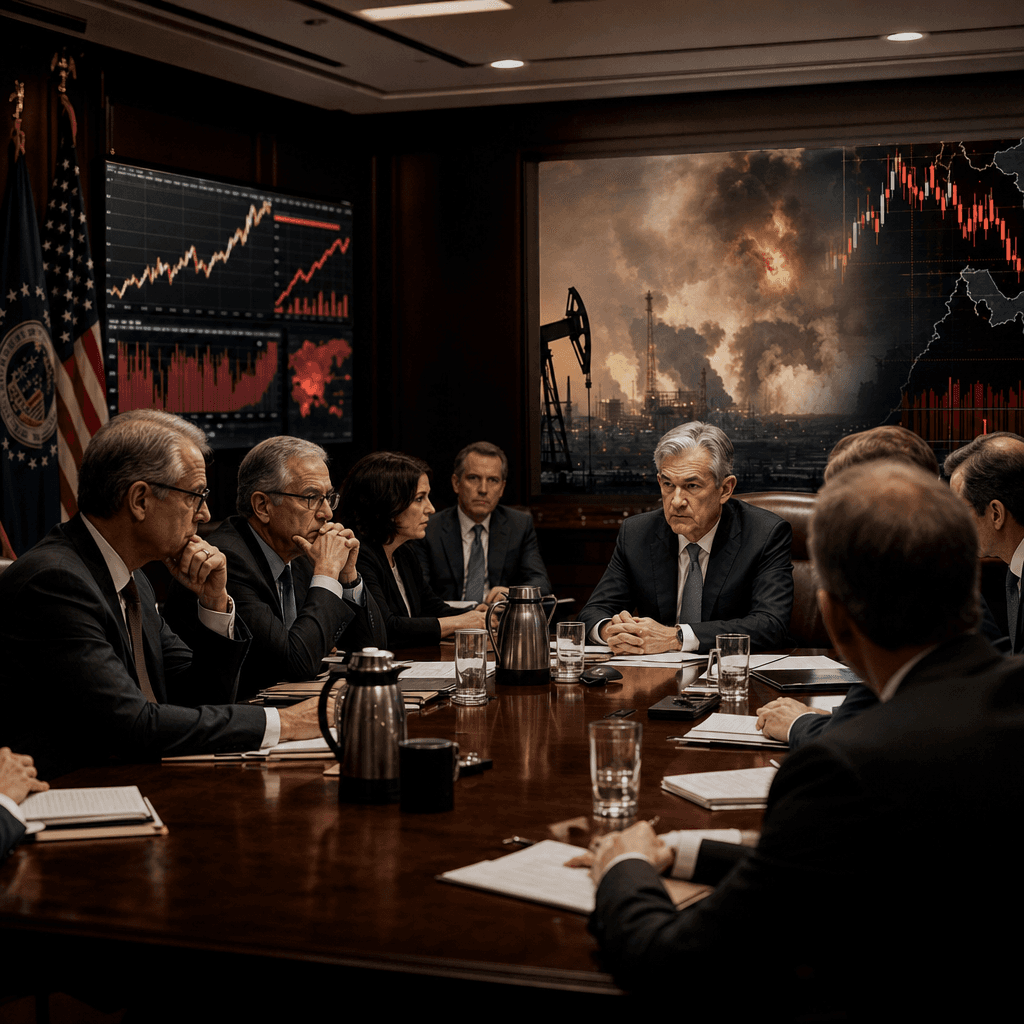
Iran War Is Forcing the Fed Into a Hawkish Policy Pivot
The war’s energy shock is pushing Fed officials away from cuts and back toward the risk of renewed hikes.
Fed officials are treating the Iran war as a monetary-policy problem now, not a temporary oil spike. CNN says three regional presidents — Beth Hammack, Lorie Logan and Neel Kashkari — dissented at the April meeting over the Fed’s “easing bias,” and Logan warned that prolonged or repeated supply disruptions could keep inflation under pressure CNN Business. Reuters reported Chicago Fed President Austan Goolsbee said the conflict is increasingly looking like an inflationary shock, not yet stagflationary, but the longer it lasts, the more nervous he gets
Reuters. The power shift is clear: the war is strengthening the Fed hawks’ hand.
Hawks are gaining the argument
The immediate winners are the officials arguing for patience, or even for keeping open the possibility of hikes; the losers are rate-cut bets in markets and at the White House. CNN says Chair Jerome Powell told policymakers in March that the inflation hit would likely be temporary, but by late April the committee was already debating whether it should stop signaling that cuts are the next move CNN Business. That matters because the Fed does not need a full recession to turn hawkish. It only needs to see inflation expectations start to drift, and CNN notes that the 10-year inflation breakeven rate climbed to 2.5%, the highest since early 2023
CNN Business.
This is not a normal energy shock
The Iran war is spreading beyond gasoline, which is why the Fed is getting more anxious. CNN reports that businesses are already struggling to secure fertilizer, helium and aluminum, while the New York Fed’s Global Supply Chain Pressure Index jumped to 1.82 in April, the highest since 2022 CNN Business. CNN’s April 30 inflation report showed the Fed’s preferred price gauge at 3.5% in March, with gas prices and shipping disruptions doing the damage
CNN Business. That is the key shift: this is no longer just an energy headline. It is a broader supply shock that can feed into pricing, margins and wage demands if it lasts.
What to watch next
The next test is whether officials keep talking about “waiting and seeing” or start preparing markets for a longer hold. Reuters says Goolsbee still sees the shock as inflationary rather than stagflationary for now, but the longer the disruption continues, the harder it gets for the Fed to preserve an easing bias Reuters. Watch the next inflation prints and the June 16-17 FOMC meeting; The Globe and Mail says that could be Kevin Warsh’s first meeting as chair if he is confirmed in time
The Globe and Mail. If energy prices stay elevated and supply chains remain strained, the Fed’s next move stops being about cuts and starts being about credibility.
Discover more

Global Politics
US Seizes Iranian Ship, Tensions Surge
The US seizure of the Iranian ship Touska highlights a shift in control over the Strait of Hormuz, favoring Iran's strategic position.
Global Politics
Trump's Conflicting Messages on Iran War
Trump's mixed messages on Iran reflect a strategy of audience management, benefiting Tehran amid a complex geopolitical landscape.

Conflict & Security
Drone Warfare Killing Aid Workers at Unprec
Over 1,000 humanitarian workers killed in three years as cheap armed drones collapse legal protections. Gaza, Sudan, Ukraine, and DRC see deliberate targeting of aid convoys and hospitals with zero prosecutions.

Global
World Normalises Taliban as Afghan Women Eras
UN data shows Afghan women erased from public life as Russia recognises the Taliban, EU hosts officials in Brussels, and ICC warrants for gender persecution go unenforced.