Iran Leverages Trump-Xi Summit Dynamics
U.S. pressures China on Iran ahead of Trump-Xi meeting
Model Diplomat3 min readAsia
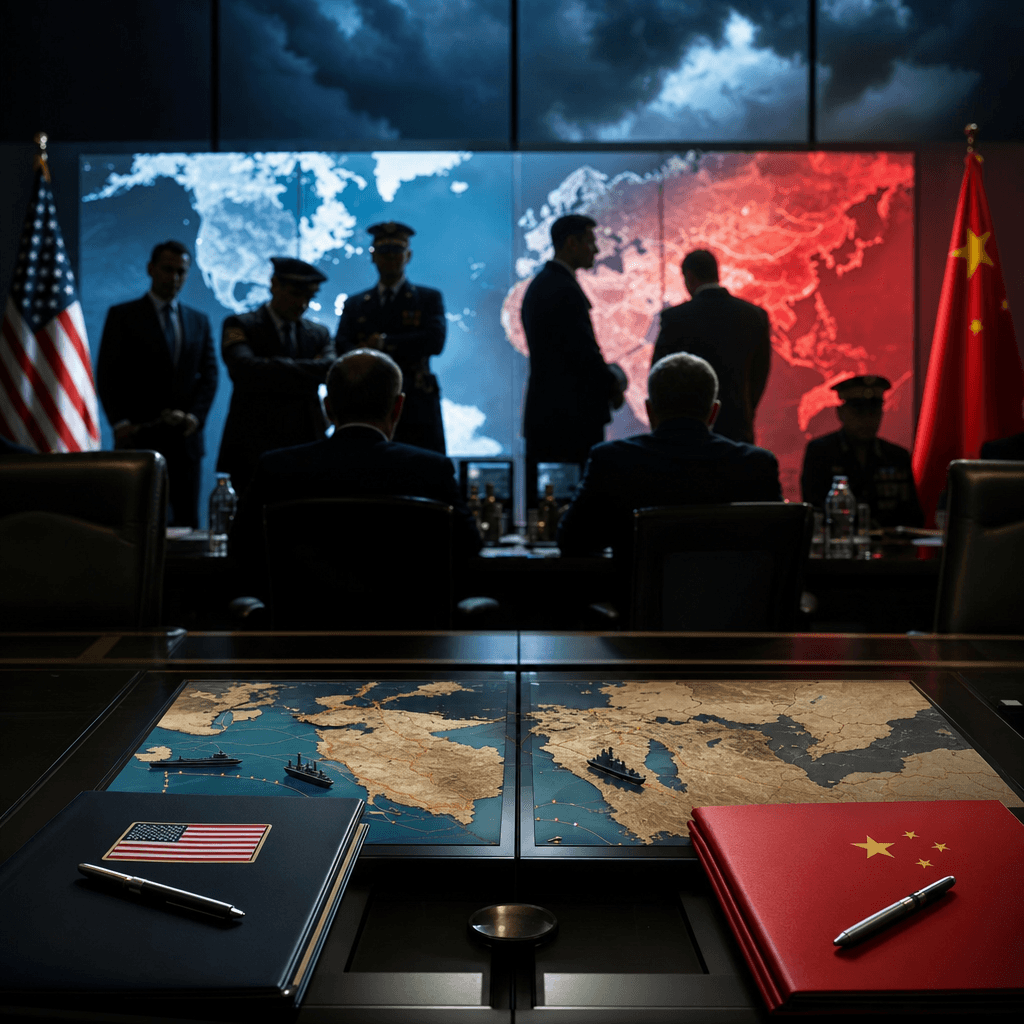
Iran Turns Trump-Xi Summit Into a Leverage Test
Washington is using the Iran war to pressure Beijing before Trump meets Xi, but China can still slow the agenda by tying trade to energy security.
The immediate power play is clear: the United States is trying to fold China into its Iran strategy before the Trump-Xi summit, not after it. Politico reports the State Department has escalated the trade row with Beijing over the Iran war just ahead of Trump’s May 14-15 meeting with Xi in Beijing (Politico). Bloomberg, via Yahoo Finance, says the summit is still on track, but Chinese officials are uneasy about proceeding while the conflict remains unresolved (
Trump-Xi Summit Stays on Track Despite China’s Iran Concerns). The result is a summit shaped less by tariffs than by who can apply the more painful squeeze.
Why Iran has taken over the trade agenda
This matters because Iran is not just a security file; it is a supply-chain weapon. Bloomberg reports that the fighting has already disrupted shipping in the Strait of Hormuz, restricted Chinese fuel supplies, and left commercial carriers reluctant to test the waterway (Trump-Xi Summit Stays on Track Despite China’s Iran Concerns). The United States is keeping pressure on Iranian shipping, while Trump treats that blockade as leverage to force Tehran to reopen the strait. China wants the opposite: a de-escalation that restores oil flows without validating a U.S. military endgame. That is why Wang Yi’s talks with Iran’s foreign minister this week matter. Beijing is signaling that it wants a path back to stability, but not at the price of appearing to endorse Washington’s coercion.
For policymakers, the practical takeaway is simple: energy security is now the hinge variable. China benefits if it can keep the summit focused on tariffs, rare earths, and market access; the U.S. benefits if it can make Iran the frame through which all bilateral talks pass. For a broader lens on the geopolitical backdrop, see Global Politics and
United States.
The trade deal Trump wants is narrower than the headline
The summit may still produce something tangible, but not the grand reset both sides would like to advertise. Pro Invest News reports that Iran will dominate the meeting, leaving less room for progress on tariffs and rare earth supplies (Iran focus at Trump-Xi summit may delay progress on tariffs, rare earths). It also says the White House may scale back the U.S. executive delegation, even as Boeing and Citigroup are still expected to be represented. That points to a summit designed to manage risk, not unlock a comprehensive trade bargain.
China’s interest is to keep the conversation transactional: soybeans, aircraft, and possible board-level mechanisms for bilateral disputes. Trump’s interest is to show he can get Xi into the room while still claiming leverage over Iran. But the deeper contest is about precedent. If China can separate Iran from trade, it preserves room to maneuver on energy and technology. If Washington can force the two together, it gives the White House a stronger hand not just with Beijing, but with every other importer watching Hormuz.
What to watch next
The key date is May 14-15. Watch for whether China publicly presses for a reopening of the strait, whether Trump keeps threatening renewed bombing of Iran, and whether the summit produces only narrow commercial wins rather than any movement on sanctions or shipping (Trump-Xi Summit Stays on Track Despite China’s Iran Concerns;
Politico). The first sign of real progress will not be a headline about trade; it will be a change in how both capitals talk about Hormuz.
Discover more
Global
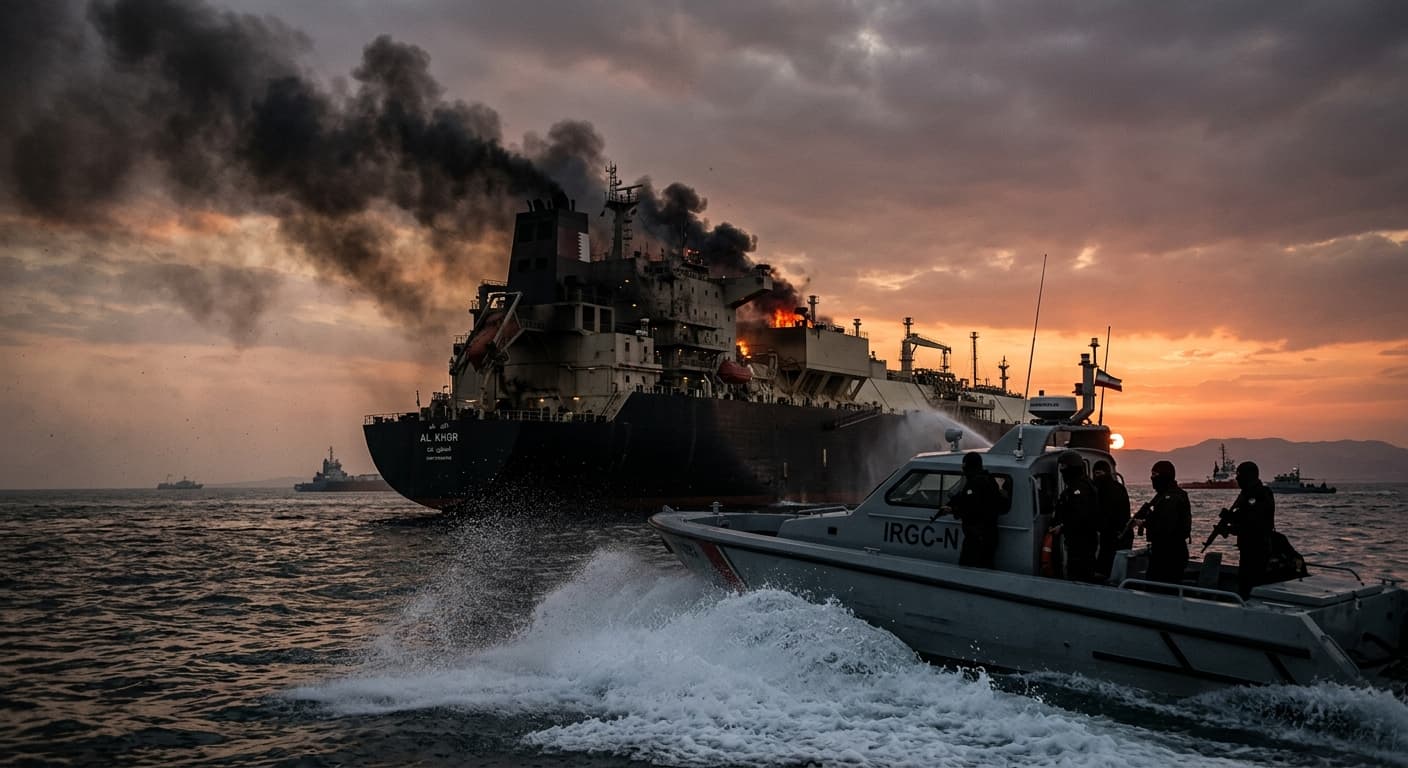
Qatari Tanker Strike Exposes Hormuz Tensions
A Qatari tanker was struck off Oman, revealing the fragility of the Hormuz ceasefire and Iran's influence over maritime security.
Global
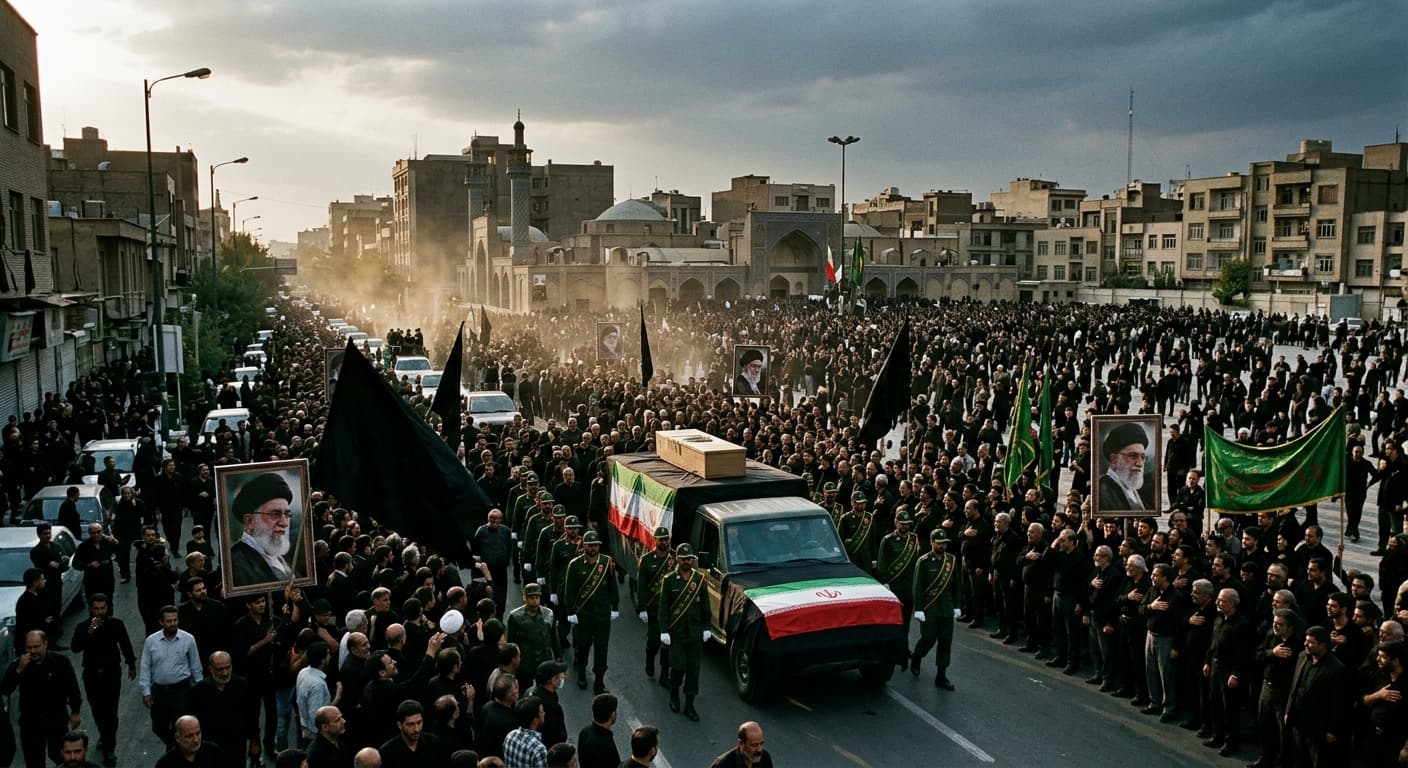
Khamenei's Funeral Signals Iran's Decline
The funeral of Ayatollah Khamenei highlights Iran's diminished influence in the Gulf, with regional powers now dictating terms.
Global
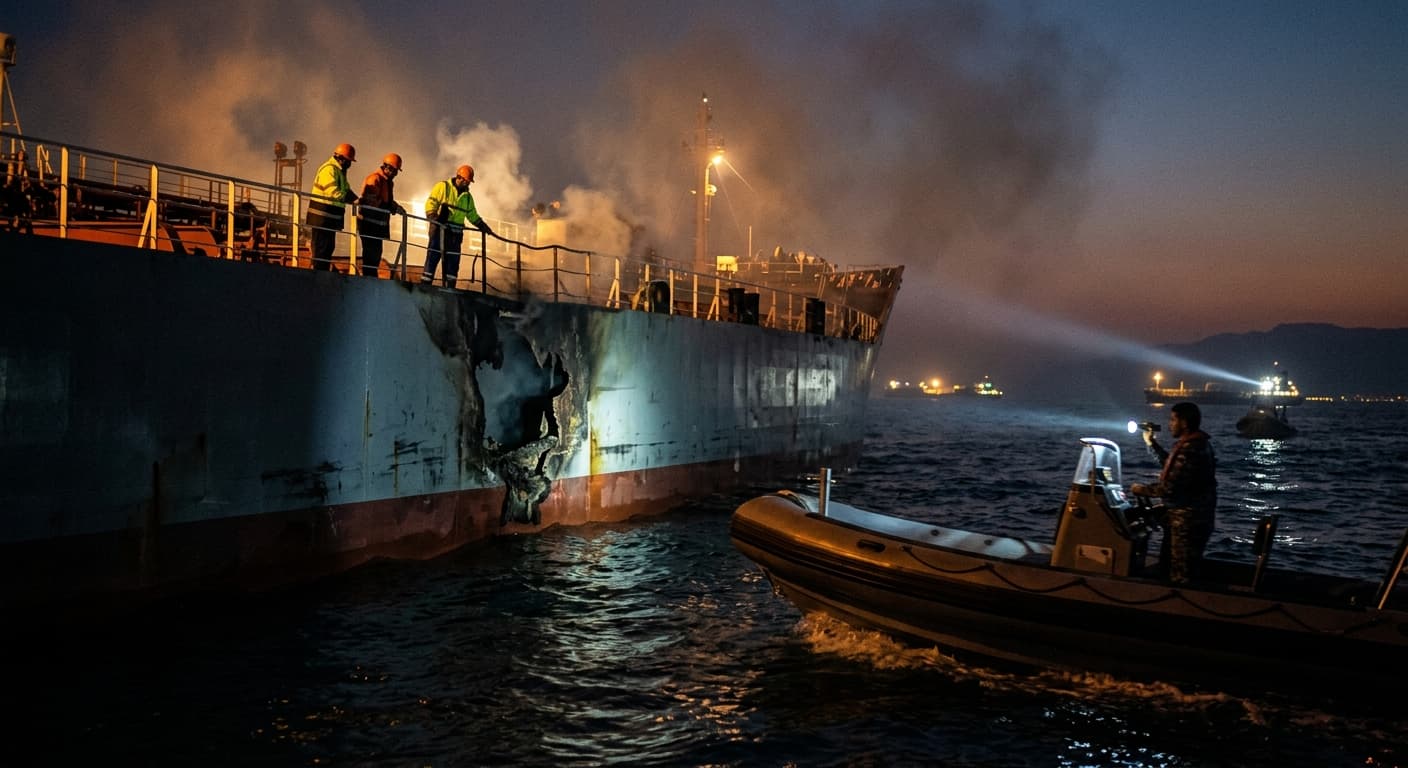
Iran's Hormuz Missile Strikes: A Toll Booth
Iran's missile attack on a Qatari-linked tanker highlights Tehran's strategy to control the Strait of Hormuz, impacting Gulf states and maritime law.

Tech Policy
Iran's Cavern Manticore Targets Israel's IT
Cavern Manticore, an Iran-linked hacking group, targets Israeli IT vendors, prompting a shift in Israel's cybersecurity policy and legislative efforts.