Iran Uses Strait of Hormuz to Pressure Trump
Tehran bets on time to gain upper hand in negotiations with the US
Model Diplomat3 min readMiddle East
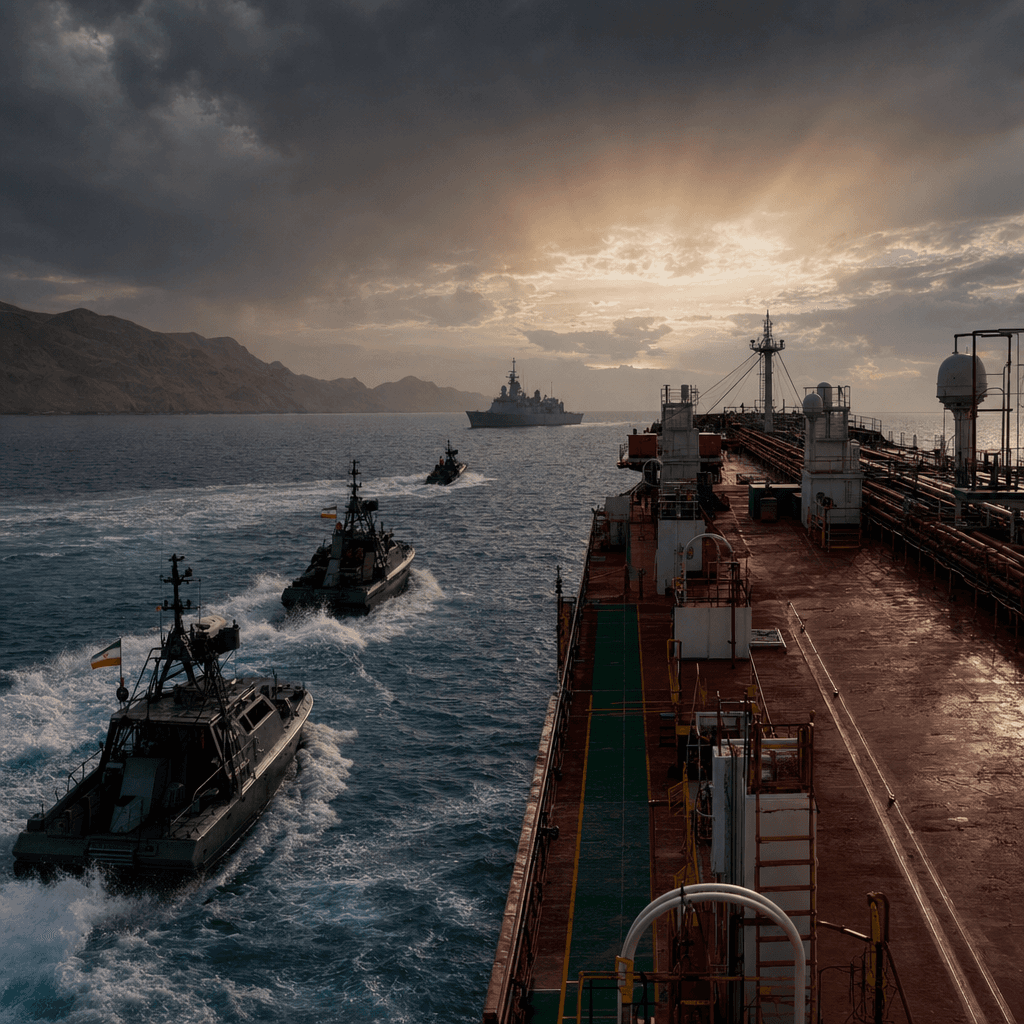
Iran Bets Hormuz Leverage Can Outlast Trump
Tehran is using the Strait of Hormuz to force Washington to choose between escalation and concessions, betting Trump needs calm markets more than he does.
Iran’s leadership is gambling that time favors Tehran: it can keep pressure on the Strait of Hormuz, absorb more economic pain, and wait for Donald Trump to blink first in talks over the war and the nuclear file, France 24 reported. Trump, for his part, has already signaled impatience, calling Iran’s latest counterproposal “totally unacceptable” and warning the fragile ceasefire is on its last legs,
Iran says US making ‘unreasonable’ demands in negotiations to end war | News | Al Jazeera reported.
Hormuz is the lever
The power balance is straightforward: Iran controls the choke point that carries a large share of global oil and gas traffic, and it knows that keeps pressure on energy prices and on Trump’s domestic politics. Associated Press reported that Washington has paused its effort to guide ships through the strait while keeping a blockade on Iranian ports in place, a sign the White House sees maritime access as both a military and negotiating tool. France 24 said the Trump team is under pressure to find an off-ramp because the war is unpopular at home and pushing pump prices higher ahead of the midterm cycle.
That gives Tehran a narrow but real opening. Even without restarting full-scale hostilities, it can keep shipping risk elevated, unsettle oil markets, and force Washington to pay a higher political price for any military option. For readers tracking the wider regional picture, this is the kind of pressure point that defines Conflict more than formal diplomacy does.
Tehran wants concessions, not surrender
Iran’s counteroffer, as described by regional and U.S. reporting, is not a capitulation but a bid to reset the terms. Tehran has demanded an end to the blockade, relief from sanctions, the release of frozen assets, and a broader halt to fighting across the region, including Lebanon, Al Jazeera reported. The Wall Street Journal, cited in the France 24 and Al Jazeera coverage, said Iran also floated diluting some highly enriched uranium and sending the rest to a third country.
That is why analysts quoted by France 24 say the real objective is not a peace settlement on Washington’s terms but a better balance of pressure. Iran’s leadership sees negotiations as a survival issue: get better conditions, avoid surrender, and preserve enough leverage to keep the system intact. The risk is that this logic can overshoot. If Trump decides the standoff is politically or strategically intolerable, he could answer with more sanctions, a renewed naval operation, or another round of strikes.
What to watch next
The next decision point is whether Trump escalates or reopens the door to talks. Watch for three things: a U.S. move to widen the maritime escort mission, another sanctions package, or a fresh Iranian restriction on shipping. Also watch any statement from parliament speaker Mohammad Bagher Ghalibaf, who has emerged as Tehran’s public negotiator, and any spike in drone or vessel incidents in the Gulf. For Washington, the immediate question is whether it can protect trade flows without looking like it is conceding to Iranian pressure. For Tehran, the bet is simple: outlast Trump before Trump outlasts the ceasefire.
Discover more
Global
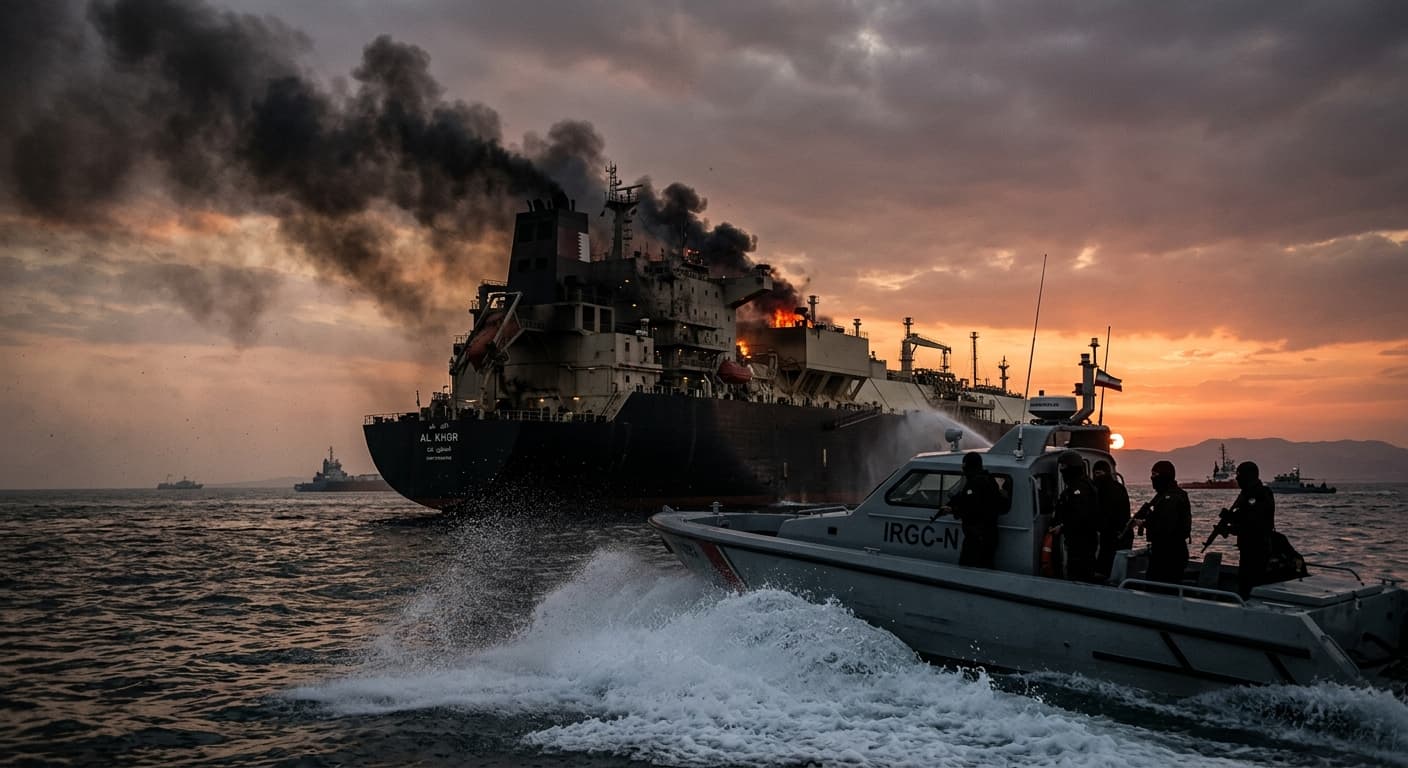
Qatari Tanker Strike Exposes Hormuz Tensions
A Qatari tanker was struck off Oman, revealing the fragility of the Hormuz ceasefire and Iran's influence over maritime security.
Global
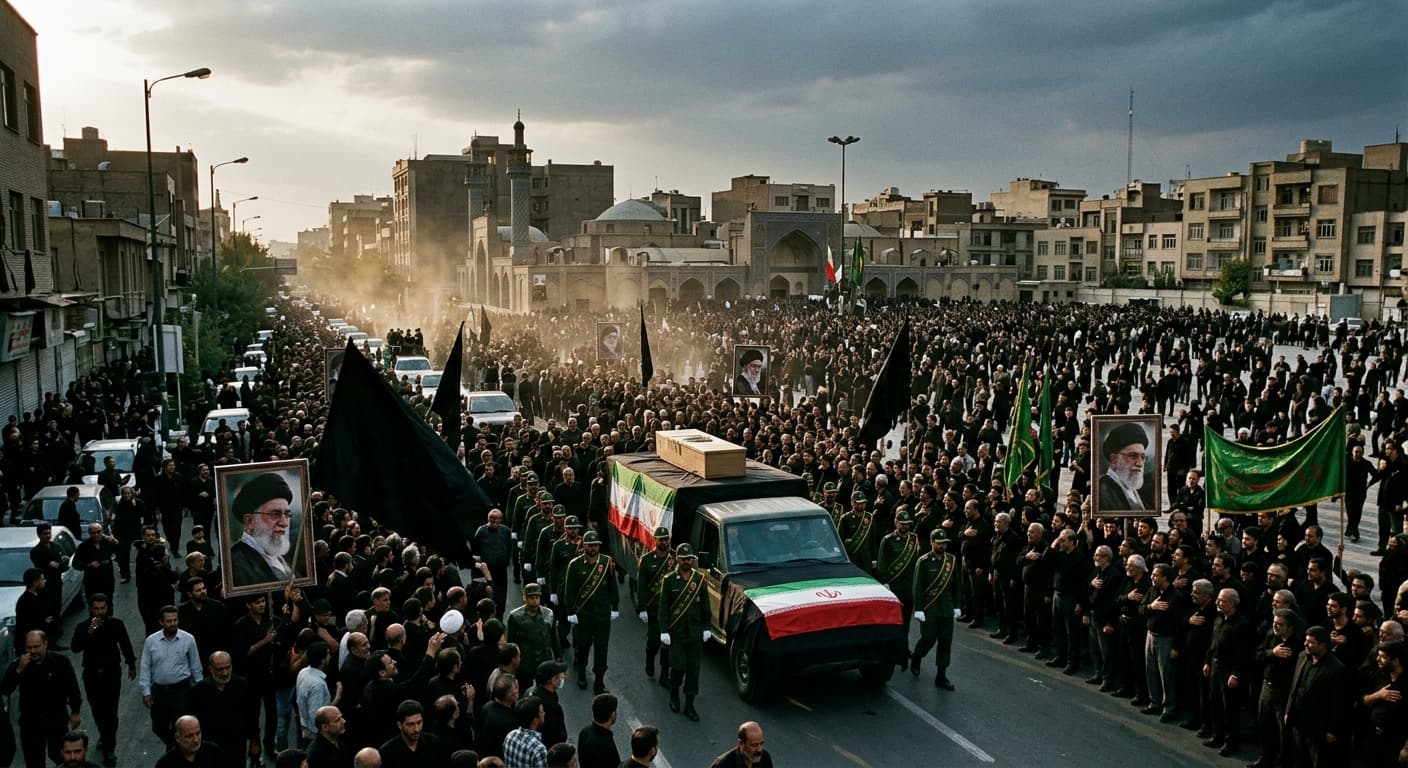
Khamenei's Funeral Signals Iran's Decline
The funeral of Ayatollah Khamenei highlights Iran's diminished influence in the Gulf, with regional powers now dictating terms.
Global
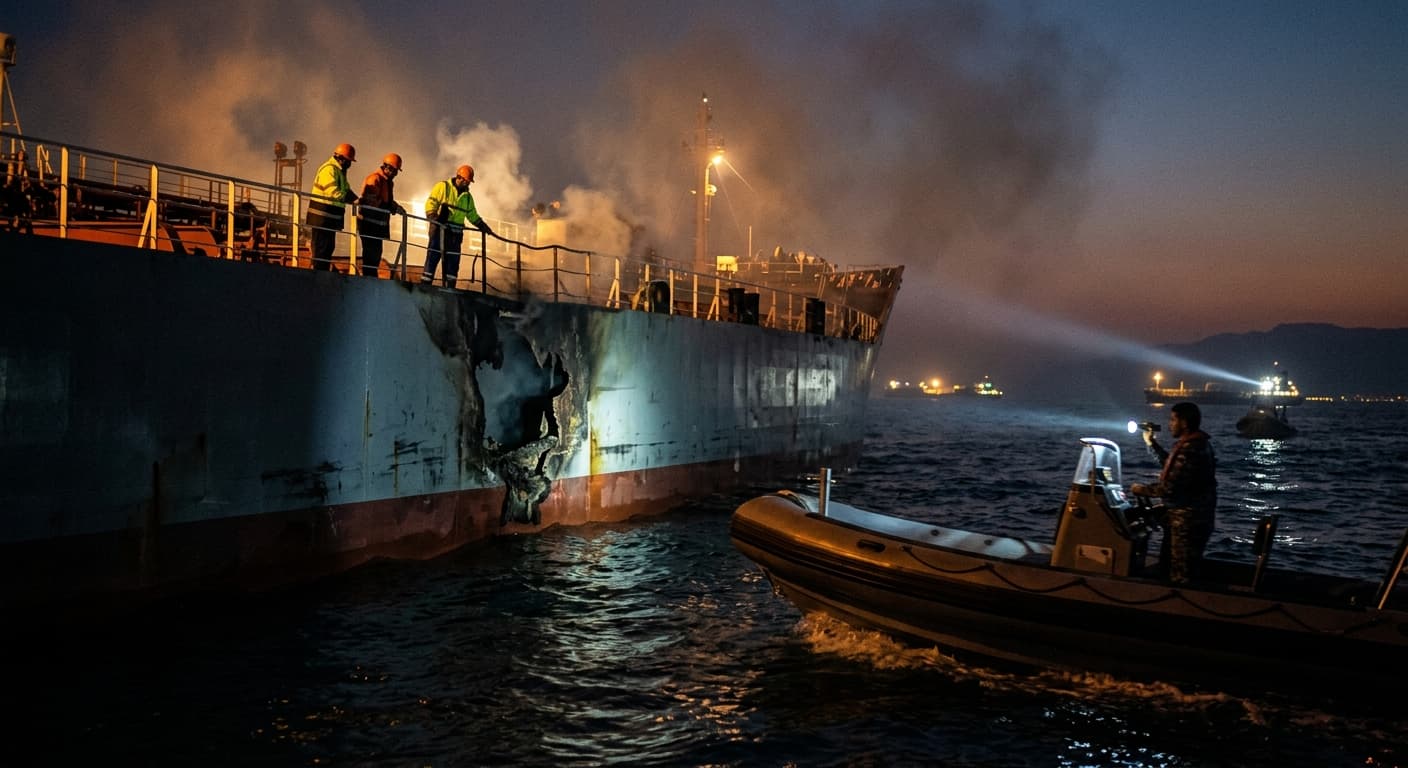
Iran's Hormuz Missile Strikes: A Toll Booth
Iran's missile attack on a Qatari-linked tanker highlights Tehran's strategy to control the Strait of Hormuz, impacting Gulf states and maritime law.
Tech Policy
Iran's Cavern Manticore Targets Israel's IT
Cavern Manticore, an Iran-linked hacking group, targets Israeli IT vendors, prompting a shift in Israel's cybersecurity policy and legislative efforts.