UPSC Prep Industry's Impact on Indian News
Exploring the impact of UPSC current affairs on India's bureaucracy
Model Diplomat3 min readAsia

India's UPSC Content Machine Is Now a News Cycle
India's booming UPSC prep industry has turned weekly current affairs into a distinct media genre — with geopolitical, governance, and mental health implications.
The Indian Express publishes weekly UPSC current affairs roundups — curated, digestible, and engineered for one of the world's most competitive examinations. The April 13–19 and April 20–26 editions are the latest in that cycle. But behind the study notes lies a structural story about how India governs its bureaucracy, filters its elite, and what that apparatus looks like under strain.
The Stakes Behind the Study Notes
~1,000 IAS/IPS/IFS vacancies. Lakhs of applicants. Years of preparation. The UPSC Civil Services Examination is less a test than a national institution — one that shapes India's entire administrative apparatus. The topics flagged in a given week's current affairs aren't random. They mirror what the Commission deems relevant to governing a rising power: this week's pointers include India–South Korea strategic ties (PM Modi met South Korean President Lee Jae Myung on April 19–20, with External Affairs Minister Jaishankar flagging defence and critical technology cooperation), regional governance events, and science and environment developments.
What gets selected for the UPSC digest is, in effect, a proxy for what New Delhi considers politically and strategically significant. That makes these roundups worth reading beyond exam prep.
A System Producing Both Ambition and Fracture
The Hindu reported this week on the heavy mental health toll of UPSC's multi-year preparation cycles — aspirants relocating to coaching hubs in Delhi and Hyderabad, years of lives suspended awaiting results, chronic stress embedded in the process. This is not background noise. It is a governance design question: a bureaucratic pipeline this narrow, this psychologically costly, and this monopolised by coaching ecosystems in two or three cities raises real questions about who India's administrative class actually represents.
The coaching industry — led by players like Vision IAS — has responded with industrialised simulation: offline OMR-based mock exams across 100+ cities, scheduled on April 5, April 19, and May 10 in the lead-up to Prelims. The industry profits from the bottleneck; it has no incentive to widen it.
The credentialing pressure has also produced its own pathologies. Mithun C.R., a Karnataka man, was arrested this week for impersonating an IAS officer — holding official meetings, demanding bribes, and being publicly felicitated for "clearing UPSC." The prestige attached to the credential is so extreme that local officials didn't verify his status.
What to Watch
The UPSC CSE Prelims 2026 date — not yet confirmed in official sources as of late April — is the next pressure point. When the date drops on upsc.gov.in, the entire current affairs media cycle will intensify. Watch whether the government accelerates the notification, as any delay compresses preparation windows and amplifies the coaching industry's leverage.
Separately, the India–South Korea strategic partnership flagged in this week's UPSC notes is worth tracking substantively: the Modi–Lee summit signalled deepening Indo-Pacific alignment that has real defence procurement and semiconductor supply-chain implications for India — far beyond an exam talking point.
The UPSC digest is a mirror. What it reflects about Indian politics and governance this week is worth the read.
Discover more
India
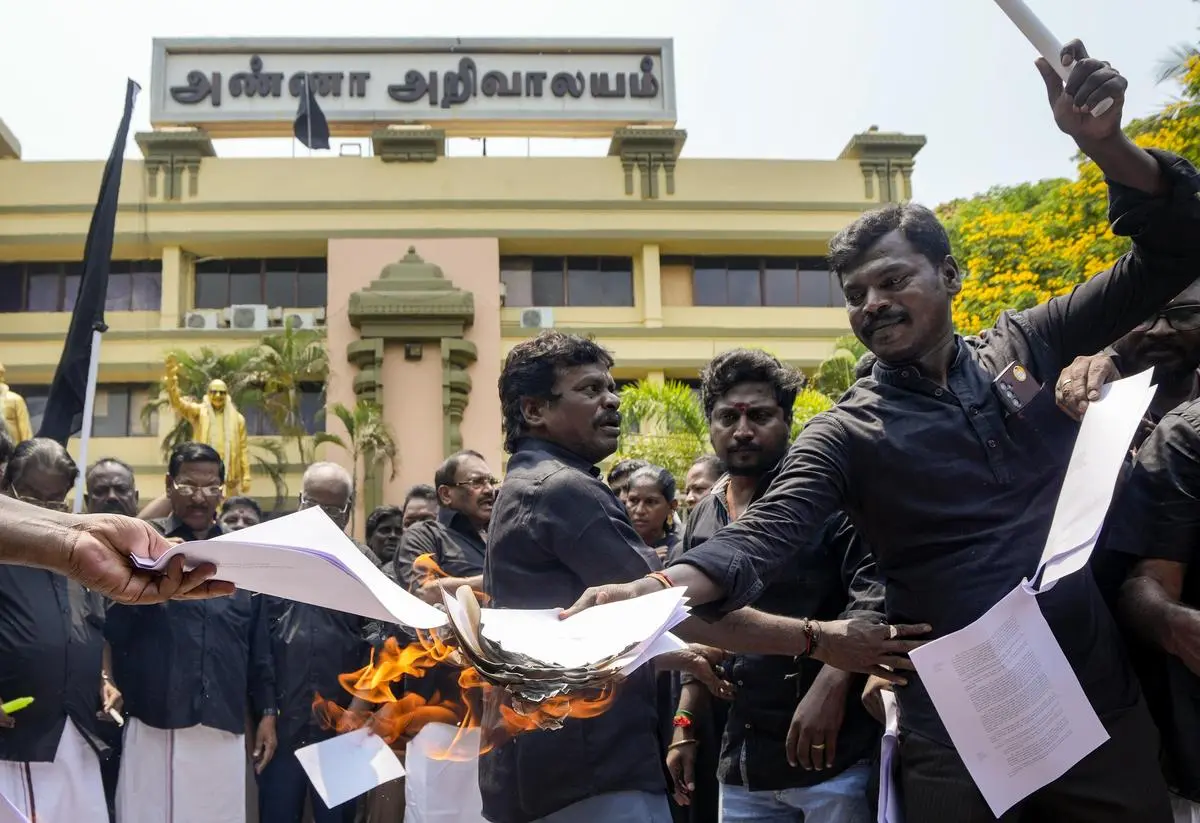
Women’s Reservation Bill 2026
The Constitution (131st Amendment) Bill, 2026 was defeated in Lok Sabha, revealing deeper political conflicts over women's reservation and delimitation.

Conflict & Security
Drone Warfare Killing Aid Workers at Unprec
Over 1,000 humanitarian workers killed in three years as cheap armed drones collapse legal protections. Gaza, Sudan, Ukraine, and DRC see deliberate targeting of aid convoys and hospitals with zero prosecutions.
Global
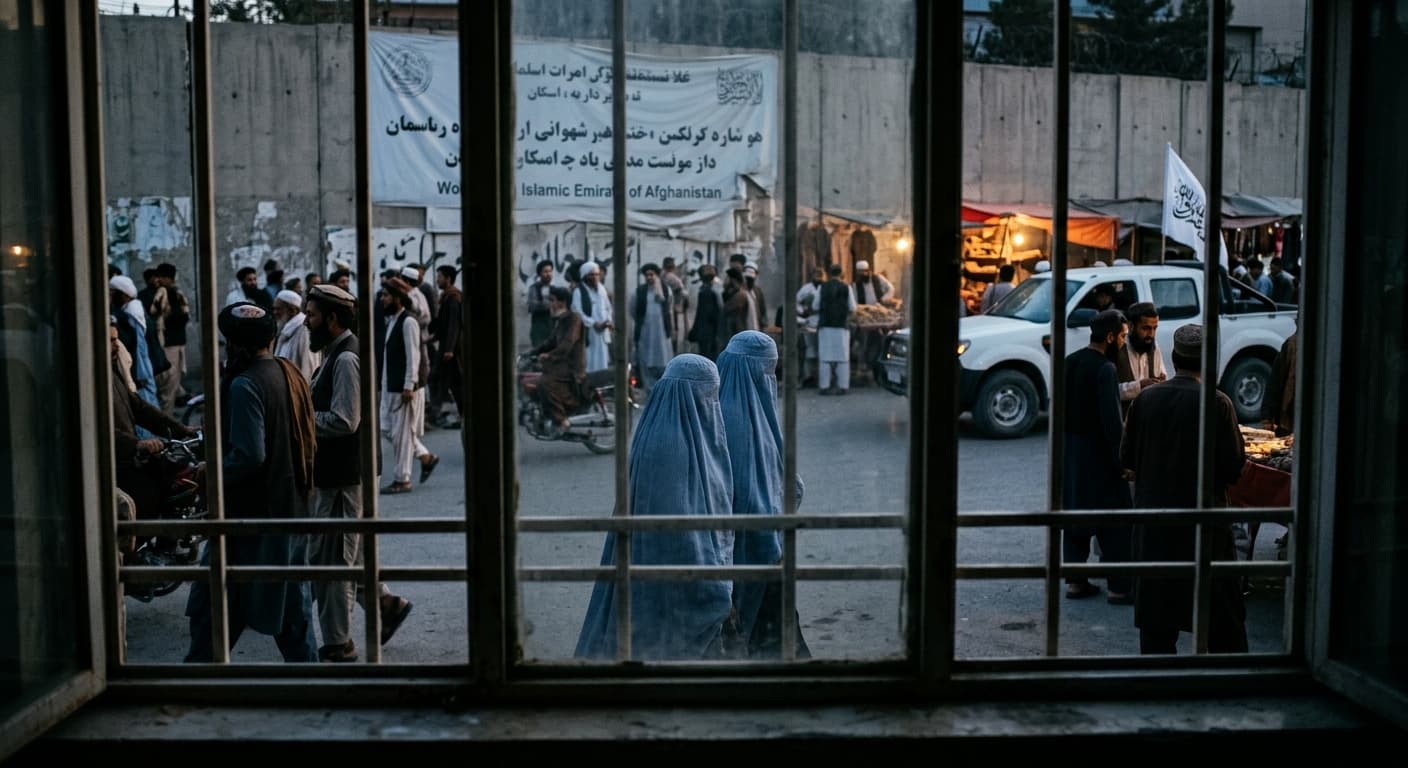
World Normalises Taliban as Afghan Women Eras
UN data shows Afghan women erased from public life as Russia recognises the Taliban, EU hosts officials in Brussels, and ICC warrants for gender persecution go unenforced.
Conflict & Security
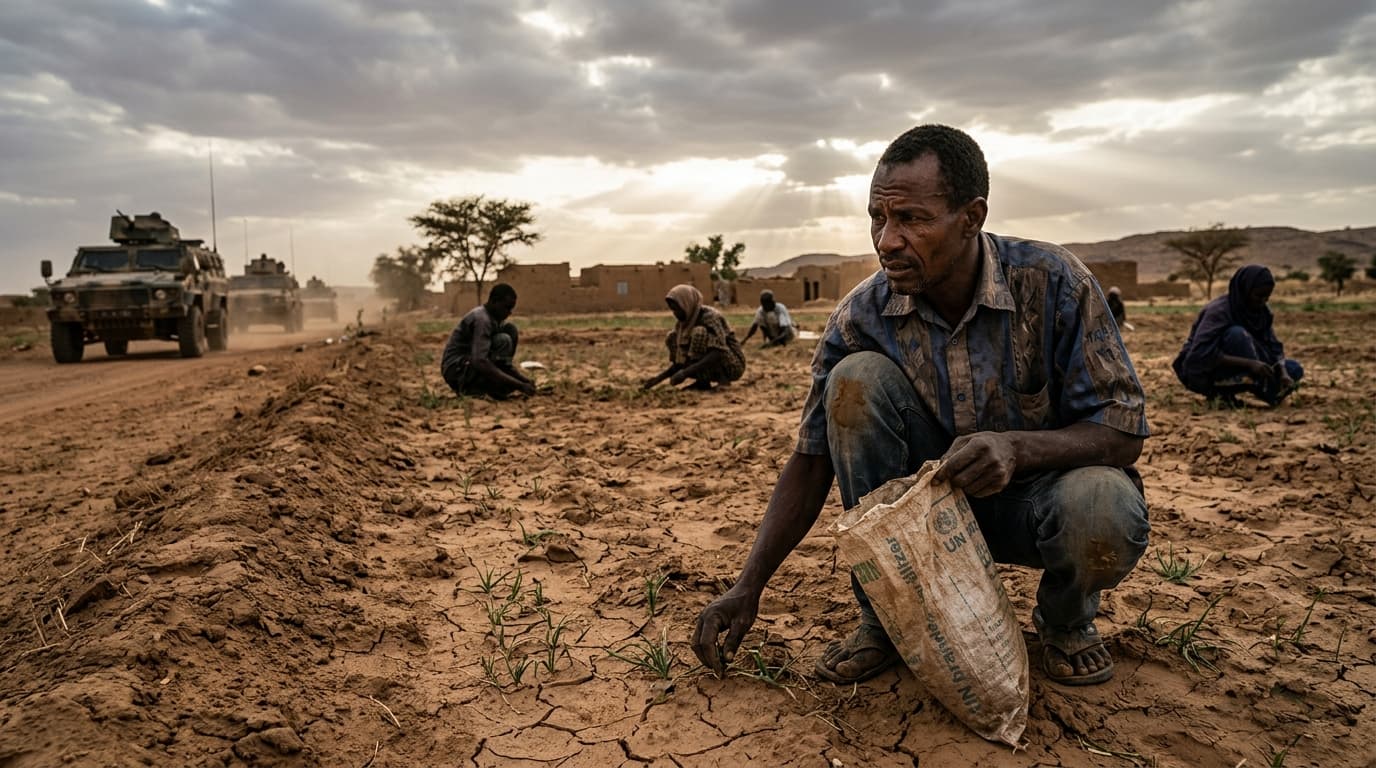
West Africa Food Crisis: Three Shocks in 2026
Conflict, climate extremes, and the Strait of Hormuz closure drive a severe food crisis in West and Central Africa, with fertilizer prices surging 80% and millions displaced.

