India’s rural jobs law gets a reset on July 1
The Centre is replacing MGNREGA with VB-G RAM G, promising 125 days of work and a cleaner rollout — but financing and state rules are still unfinished.
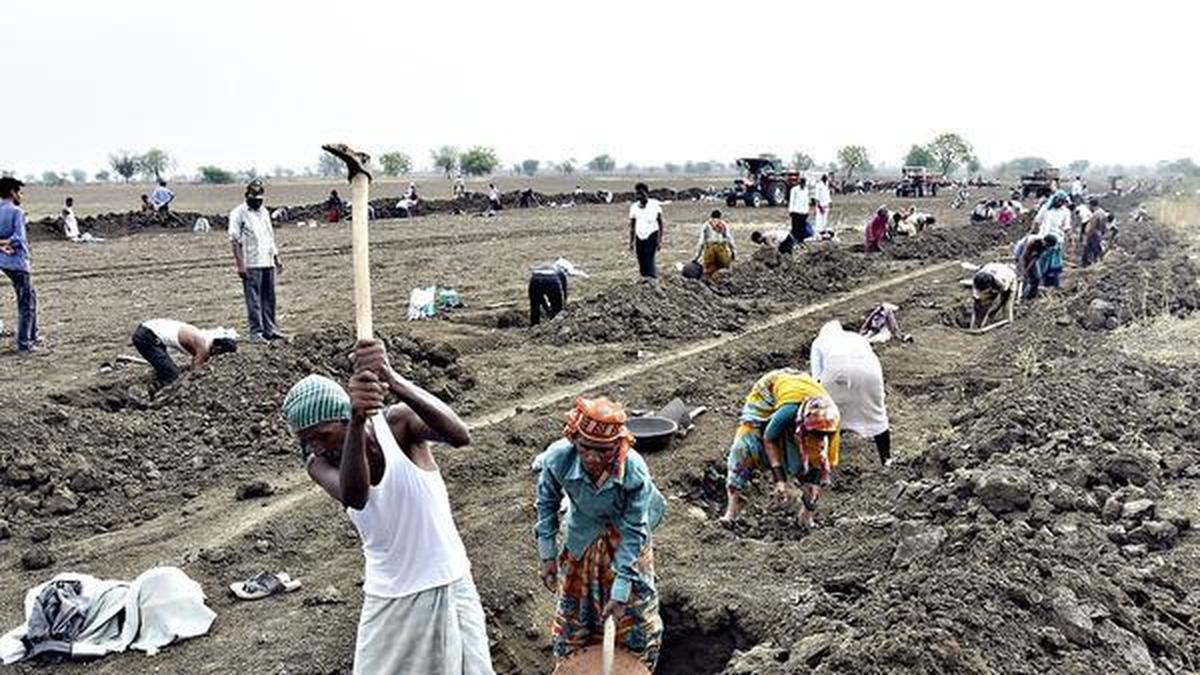
The Centre has set July 1 as the start date for the Viksit Bharat — Guarantee for Rozgar and Ajeevika Mission (Gramin) Act, and has said the Mahatma Gandhi National Rural Employment Guarantee Act will be repealed from that date,  The Hindu reported. The Ministry of Rural Development says the transition will be seamless: ongoing MGNREGA works will carry over, e-KYC-verified job cards will remain valid until new “gramin rozgar guarantee cards” are issued, and workers will not be denied work because verification is pending, The Hindu reported.
The political bet: rebrand welfare as development
This is more than a name change. The government is trying to recast rural employment as part of a broader “Viksit Bharat” architecture, not a standalone safety net. The new law is being pitched as a framework for employment, rural infrastructure and village self-reliance, with gram panchayats described by the ministry as the “central pillar” of the model, The Hindu reported.
That shift matters because the old MGNREGA model gave households a legally enforceable demand-driven right to work. The new law appears to tighten the link between wage employment and local planning. The Times of India reported that the framework raises the annual guarantee to 125 days and routes projects through “Viksit Gram Panchayat Plans,” with the Centre arguing that this will align jobs with infrastructure and climate resilience,  The Times of India reported.
The leverage point is funding, not framing
The real test is whether the money and administrative machinery match the promise. The Hindu reported that draft rules on wage payments, grievance redressal, allocation norms and transitional provisions are still being prepared with states and Union Territories. That means the Centre is asking states to absorb a new scheme while key operating rules are still being written, The Hindu reported.
That is where the political leverage lies: the Centre has set the legal clock, but states will carry part of the implementation burden. The budget already signaled the strain. The Hindu reported in February that the government earmarked ₹95,692.31 crore for VB-G RAM G, while activists argued the figure falls short of what would be needed to fund a 125-day guarantee at scale, The Hindu reported. For  India, the issue is not just rural employment; it is whether the Centre can sustain a more ambitious entitlement without shifting the squeeze to states and workers.
What to watch next
The next decision point is the publication of final rules and the state-wise allocation formula. That will tell you whether VB-G RAM G is a genuine expansion of rural job security or a repackaged scheme with tighter administrative control. Watch for the public consultation on rules, the release of state-specific norms, and whether any state pushes back on the new funding burden before July 1.