India’s ‘Cockroach Janta Party’ Meets the State Online
The viral satire outfit is being squeezed offline just as it turned youth frustration into a mass digital protest, exposing the state’s low tolerance for ridicule.
The power move is by the Indian state, not the parody group: Abhijeet Dipke says the Cockroach Janta Party’s website was taken down and its accounts were hit after the movement used satire to target the government over exams, jobs and accountability, according to  Al Jazeera and
  The Hindu. That is the point: the movement is not trying to seize office; it is trying to monopolize attention, and the government appears to have concluded that even a meme can become politically costly. For broader context on the domestic stakes, see
  India and Global Politics.
A joke that turned into a pressure valve
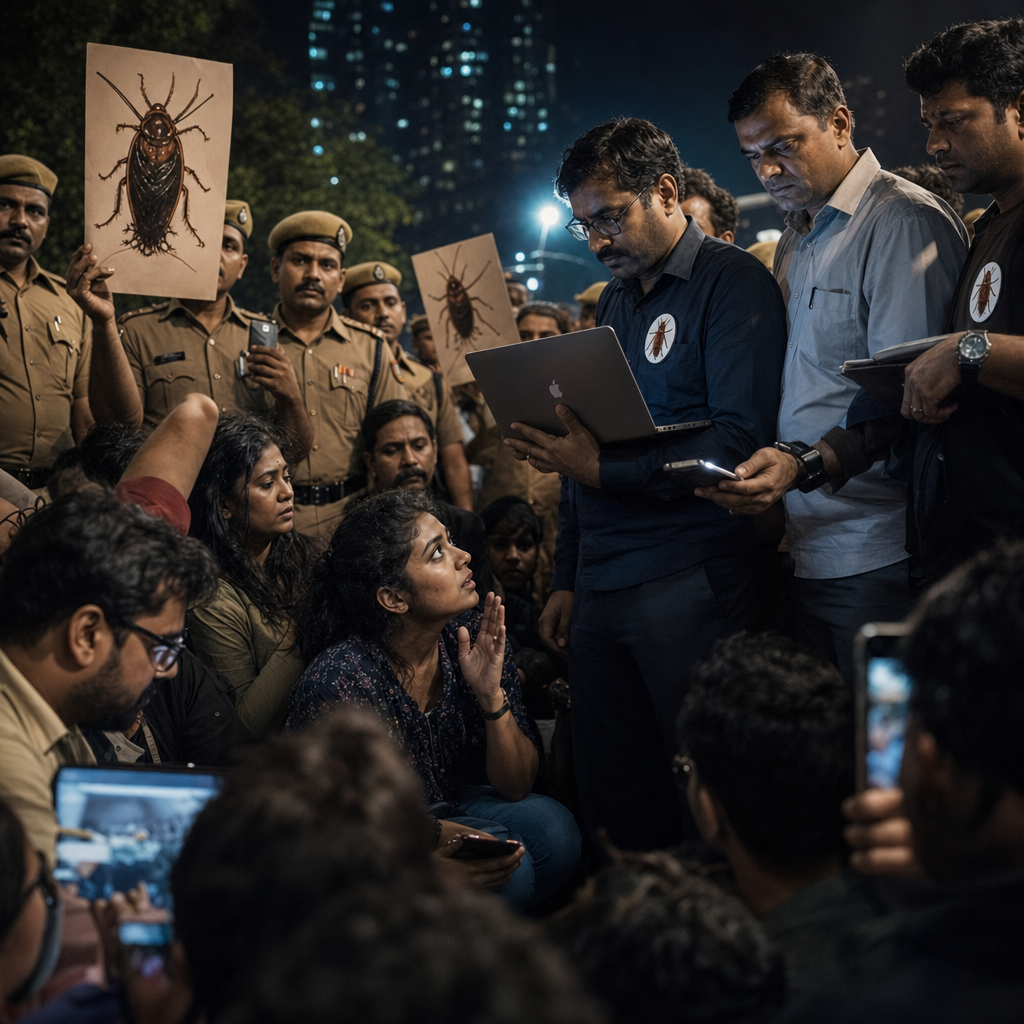
The Cockroach Janta Party emerged after Chief Justice Surya Kant’s remarks about unemployed youth and “cockroaches” triggered backlash, then morphed into a fast-growing satire movement that linked the insult to deeper anger over unemployment, paper leaks and institutional contempt, Al Jazeera and The Hindu reported. That matters because the group’s growth came from the same political gap that has powered other youth-led eruptions: it gave young Indians a language, a symbol and a place to gather before any conventional opposition machine could organize them.
This is why the movement has drawn attention beyond the joke itself.  The Straits Times reported that the group surged online in days, claiming huge followings and presenting itself as a voice for the “lazy and unemployed,” while Reuters, as cited by the paper, framed it as a protest outlet for frustrated Gen Z users. The beneficiary here is not a formal party; it is the broader anti-establishment mood, which gets stronger every time the state treats satire like a security threat.
The state is testing the boundary
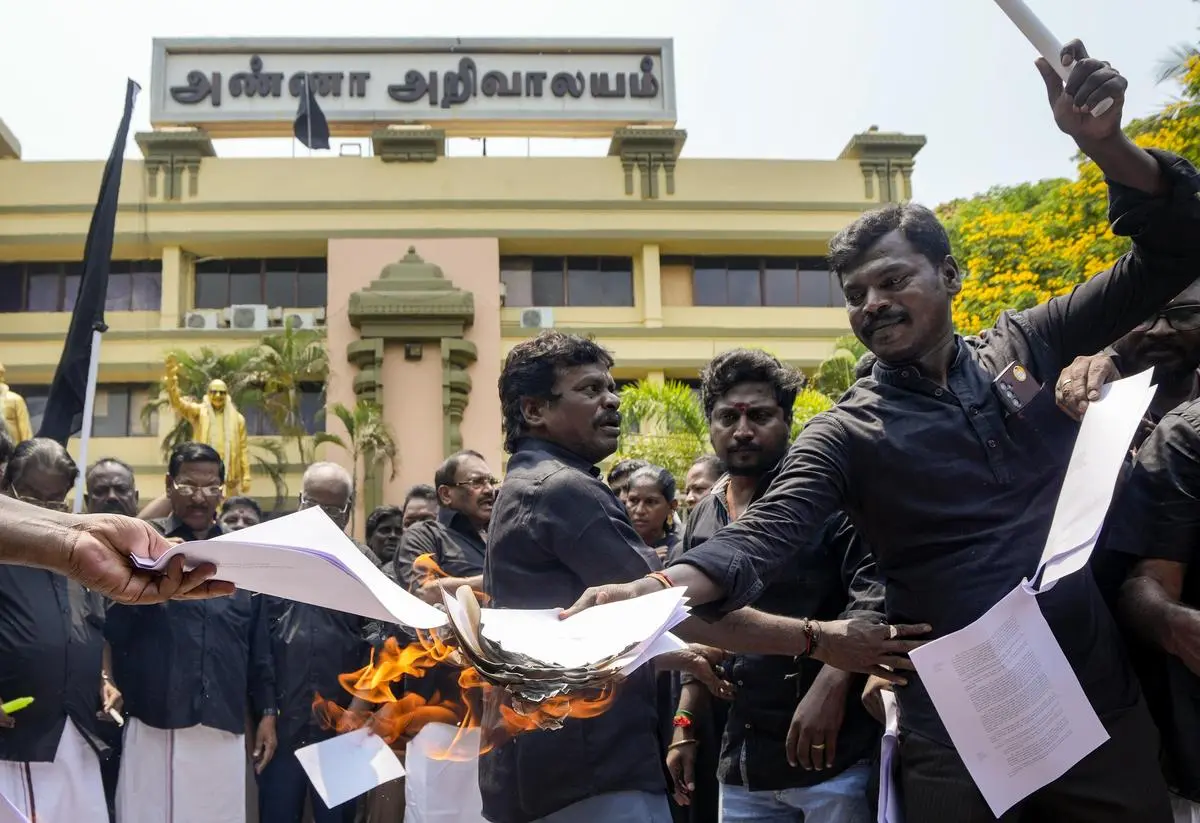
The takedown effort has a second-order effect: it gives the movement exactly the grievance it needs. The Hindu said Dipke linked the restrictions to the group’s campaign for Education Minister Dharmendra Pradhan’s resignation over the NEET-UG 2026 paper leak, while The Straits Times reported that Indian authorities had already sought to block the group’s X presence and that media reports tied the move to national-security concerns. In political terms, that is leverage in the hands of the government: by cutting channels, it can disrupt mobilization.
But the cost lands elsewhere. The losers are the young users who saw the movement as a pressure valve, the opposition figures tempted to ride it, and the government itself if the crackdown turns a joke into a free-speech fight. Once the state starts blocking parody accounts, it concedes that digital satire can move opinion faster than official messaging can contain it.
What to watch next
The next decision point is whether Indian authorities extend the squeeze from X and the website to Instagram and any offline gatherings. The Hindu already reported police warnings around a planned human-chain protest in Bengaluru, which suggests the issue is moving from online ridicule to physical crowd control. If that happens, the story stops being about a meme and becomes a test of how India polices political expression when the complaint comes from the young, online and hard to ignore.