Indian Elections 2026
Major shifts in four states redefine India's political map.
Model Diplomat3 min readAsia
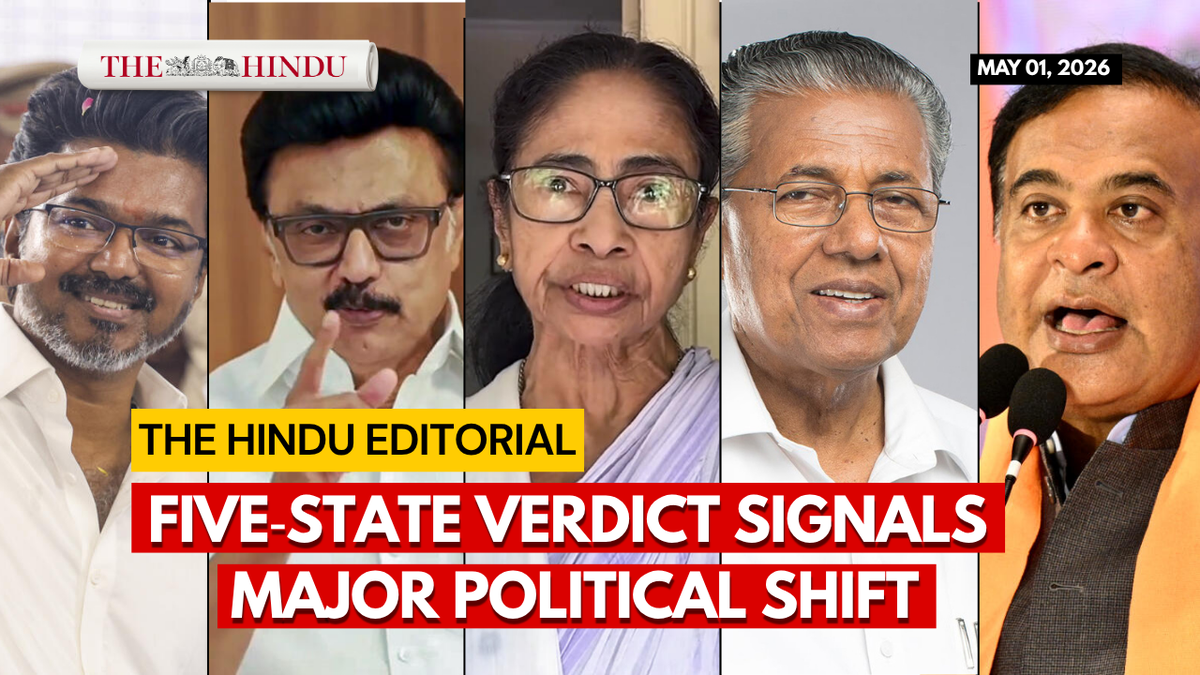
Indian Elections Reshape Four States
May 5, 2026: Seismic shifts in state polls see BJP sweep Bengal, newcomer TVK win TN, and UDF reclaim Kerala.
India's political map was dramatically redrawn on May 5, 2026, as results from four state assembly elections revealed significant power realignments. The Bharatiya Janata Party (BJP) achieved a stunning sweep in West Bengal, ousting the Trinamool Congress (TMC). In Tamil Nadu, actor Joseph C. Vijay's Tamilaga Vettri Kazhagam (TVK) surged to become the single largest party, disrupting the established Dravidian order and leading to a shock defeat for Chief Minister M.K. Stalin. Kerala saw a decisive return to power for the Congress-led United Democratic Front (UDF), while the ruling Left Democratic Front (LDF) suffered substantial losses. The National Democratic Alliance (NDA) also consolidated its position in Assam.
The New Power Calculus
The most profound shift occurred in Tamil Nadu, where the TVK, a rapidly formed party led by popular actor Vijay, emerged as the dominant force. Winning 108 seats in the 234-member assembly, TVK surpassed established players like the DMK (59 seats) and AIADMK (47 seats). This electoral debut signifies a fundamental challenge to the decades-old Dravidian political hegemony. In West Bengal, the BJP secured 206 seats, ousting Mamata Banerjee's TMC (81 seats) after 15 years in power and establishing its first government in the state. The BJP’s vote share climbed to 45.8%, surpassing the TMC's 40.8%. Meanwhile, Kerala witnessed a powerful anti-incumbency wave as the UDF swept 97 seats, leaving the LDF with just 35. The BJP registered its best-ever performance in Kerala, securing 3 seats. Assam saw the NDA strengthen its hold, winning 92 seats against the Congress-led coalition's 21.
Beneficiaries and Losers
The primary beneficiaries of this electoral cycle are the TVK in Tamil Nadu, the BJP in West Bengal, and the UDF in Kerala. TVK’s success on its debut is a remarkable feat, bypassing traditional grassroots organizing for actor-led star power and voter aspiration. The BJP's Telangana win is a critical strategic advance, demonstrating its ability to penetrate eastern India decisively. The UDF's comprehensive victory in Kerala indicates a strong electorate mandate against the LDF's governance record.
Conversely, the established parties that lost ground are the DMK and AIADMK in Tamil Nadu, whose traditional voter bases were significantly eroded by TVK. In West Bengal, the TMC's defeat marks the end of a long tenure, with Chief Minister Mamata Banerjee herself losing her seat. In Kerala, the LDF experienced a crushing defeat, losing 64 seats compared to its 2021 performance, signaling a stark rejection of its policies and leadership. The Congress, while a part of the winning UDF in Kerala, faces the challenge of managing expectations and coalition dynamics within a strong mandate.
What to Watch Next
The immediate focus will be on government formation and policy initiation. In Tamil Nadu, TVK must navigate governing without a clear majority, potentially requiring complex alliances. The stability of this new political force and its ability to translate film-star charisma into effective governance will be closely observed. In West Bengal, the BJP will aim to consolidate its newfound power, facing the challenge of governing a state with a strong regional identity and a considerable opposition. For the UDF in Kerala, the task is to deliver on its promises and potentially leverage its victory for wider national influence. The shifting power dynamics across these key states highlight the evolving Indian political landscape and will shape national party strategies leading into future general elections.
Discover more
India
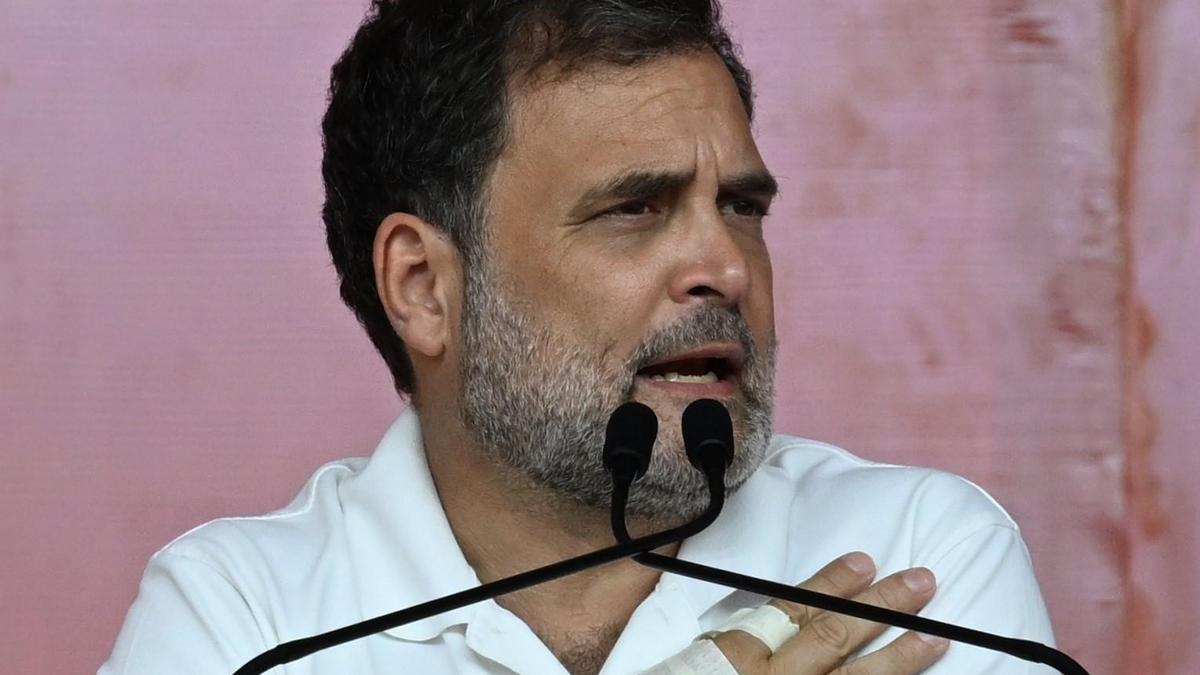
Rajnath Singh's Durga Squad for 2026 Polls
Rajnath Singh's Durga Squad promised women's safety in Bengal but has since disappeared from the agenda, revealing BJP's true priorities.
India
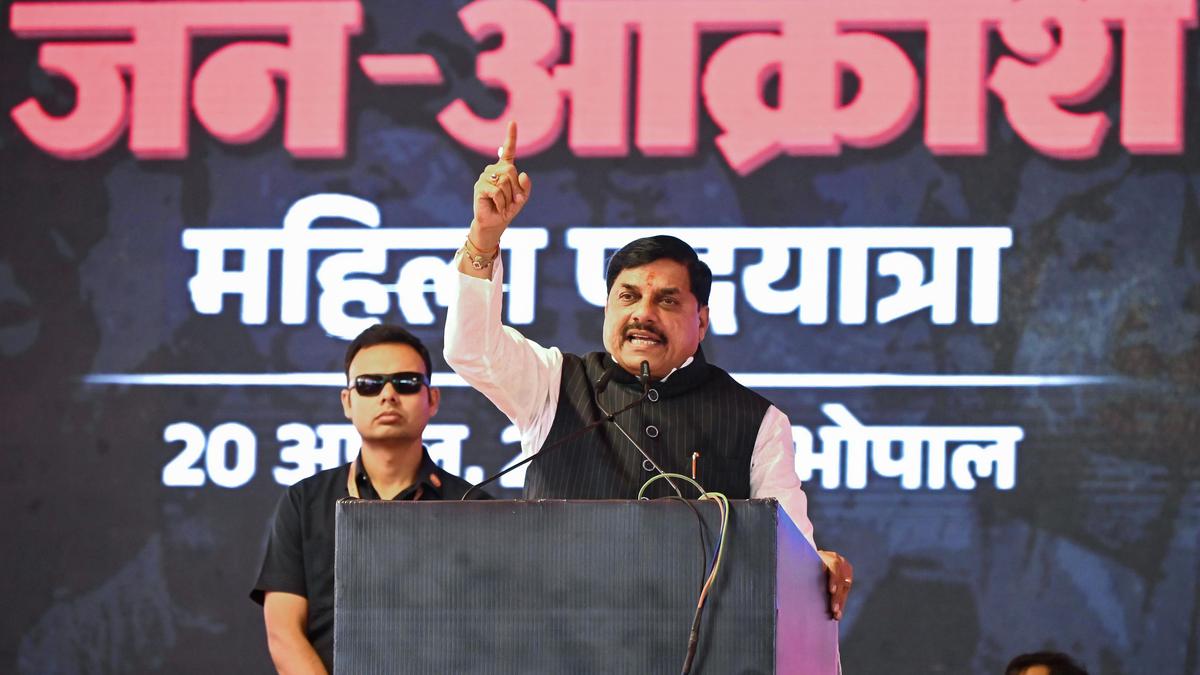
BJP Congress Clash Over MP Bill Defeat
The BJP's defeat of the women's quota amendment sparks a political narrative war with Congress, impacting future elections.

Conflict & Security
Drone Warfare Killing Aid Workers at Unprec
Over 1,000 humanitarian workers killed in three years as cheap armed drones collapse legal protections. Gaza, Sudan, Ukraine, and DRC see deliberate targeting of aid convoys and hospitals with zero prosecutions.
Global
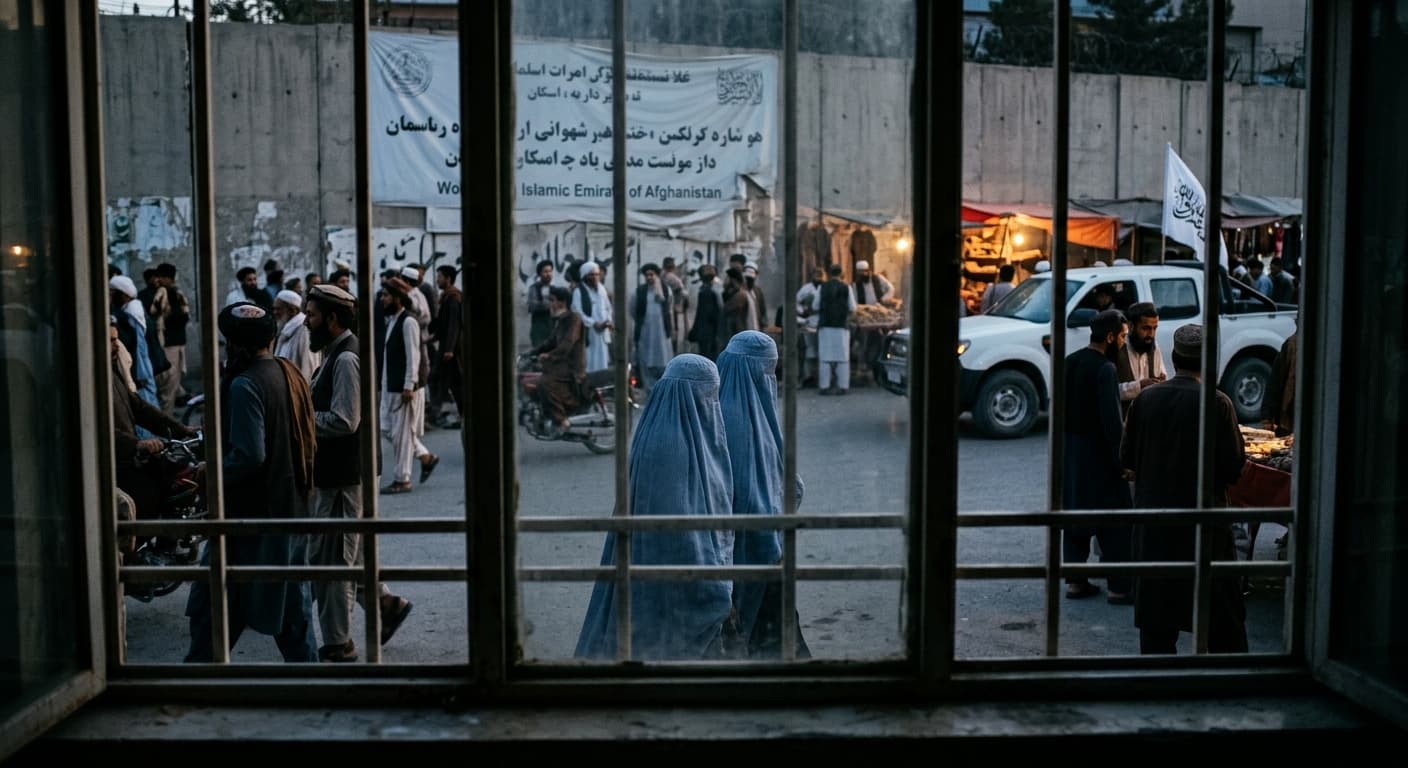
World Normalises Taliban as Afghan Women Eras
UN data shows Afghan women erased from public life as Russia recognises the Taliban, EU hosts officials in Brussels, and ICC warrants for gender persecution go unenforced.